Song Meaning
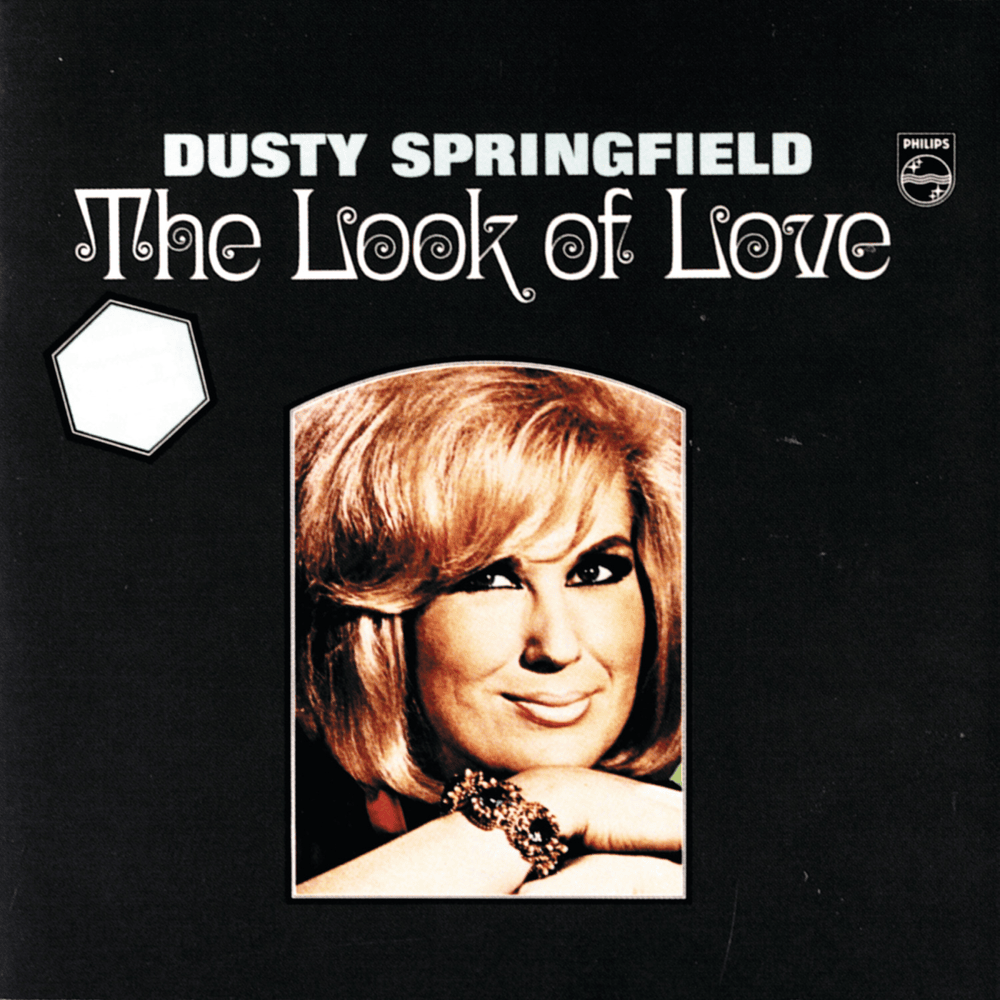
Dusty Springfield’s "Come Back To Me" isn’t a subtle request; it's a full-throated, almost desperate, plea for a lover's return. The song meaning spirals beyond simple longing, delving into the psychology of abandonment and the almost manic energy of someone teetering on the edge. The lyrics paint a picture of unvarnished need, where pride is abandoned at the altar of reunion. It’s not just 'miss you'; it's a raw, exposed nerve. Springfield's persona in this song isn't just heartbroken; she's unraveling. The repeated phrase "Come back to me" becomes a mantra, a desperate attempt to control a situation spiraling beyond her grasp. The almost comical list of transportation methods – from trains and cars to mules and jets – underscores the absurdity of the situation. Any mode of transport is acceptable, any distance is surmountable, as long as it ends with the lover's return. This isn't rational; it's pure, unfiltered emotion driving the narrative.
The bridge shifts the tone slightly, injecting a hint of accusatory frustration into the mix. "Must I yell 'til I'm blue?" she wails, a line that reveals the emotional exhaustion underlying the desperate pleas. The questions – "Have you gone to the moon / Or the corner saloon?" – hint at a paranoia fueled by absence, a mind racing to fill the void with worst-case scenarios. The geographic randomness of "Rome or Rangoon" emphasizes the lover's perceived indifference, as if any far-flung locale is preferable to being with her. This isn't simply sadness; it’s a potent cocktail of anxiety, anger, and vulnerability.
The final verse doubles down on the 'no holds barred' approach. It doesn't matter *how* the lover returns – "In a crate / In a trunk / Half asleep / Roaring drunk" – the only thing that matters is the physical presence. The closing lines, "I'd be so nice to come home to / Lover come back," attempt to lure the absent partner back with the promise of domestic bliss, a fragile offering extended from a place of deep insecurity. "Come Back To Me" isn't just a song; it's a psychological portrait of longing pushed to its breaking point.
 View Artist