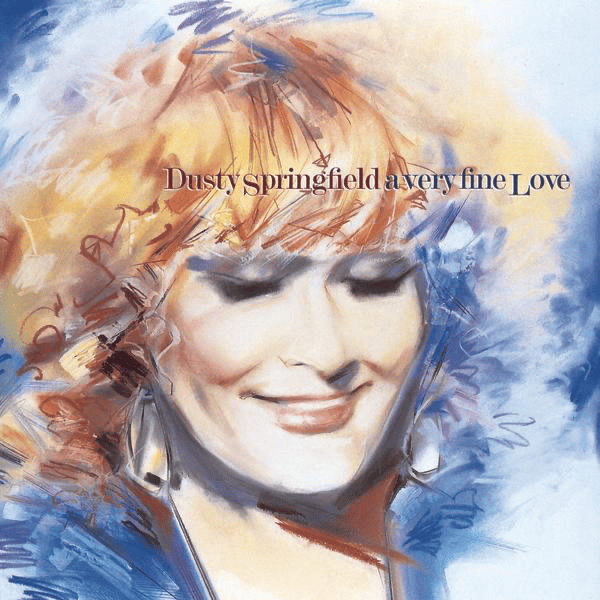
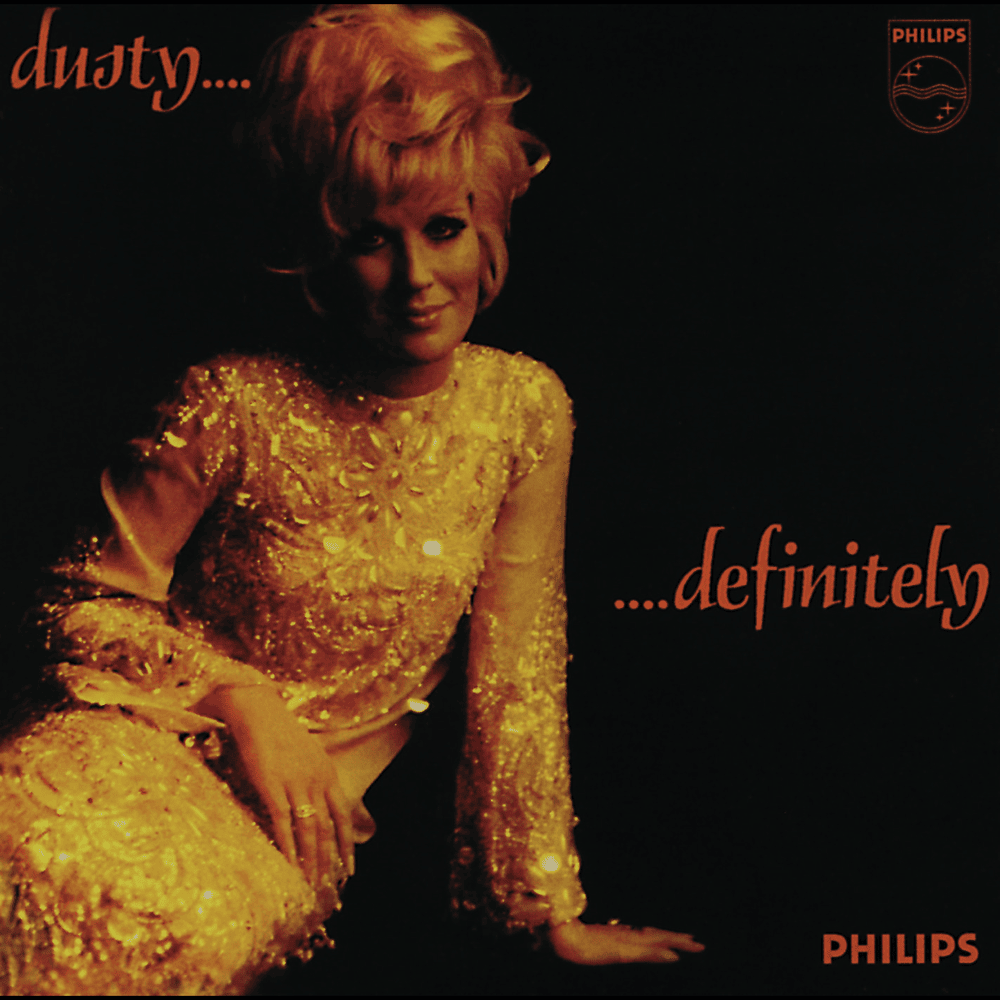
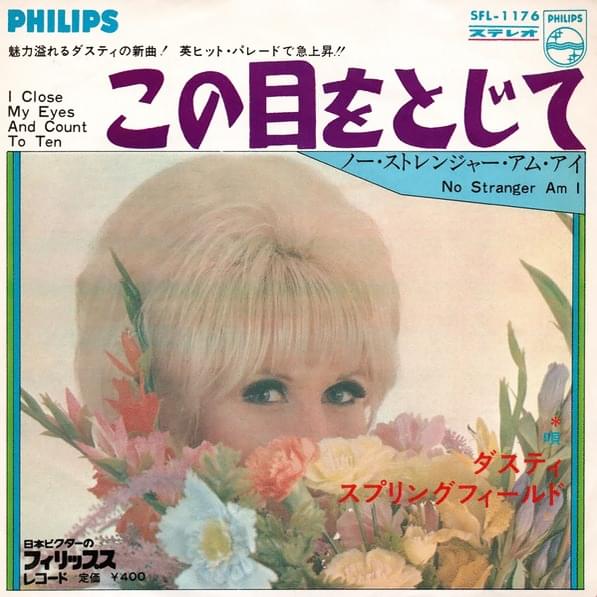
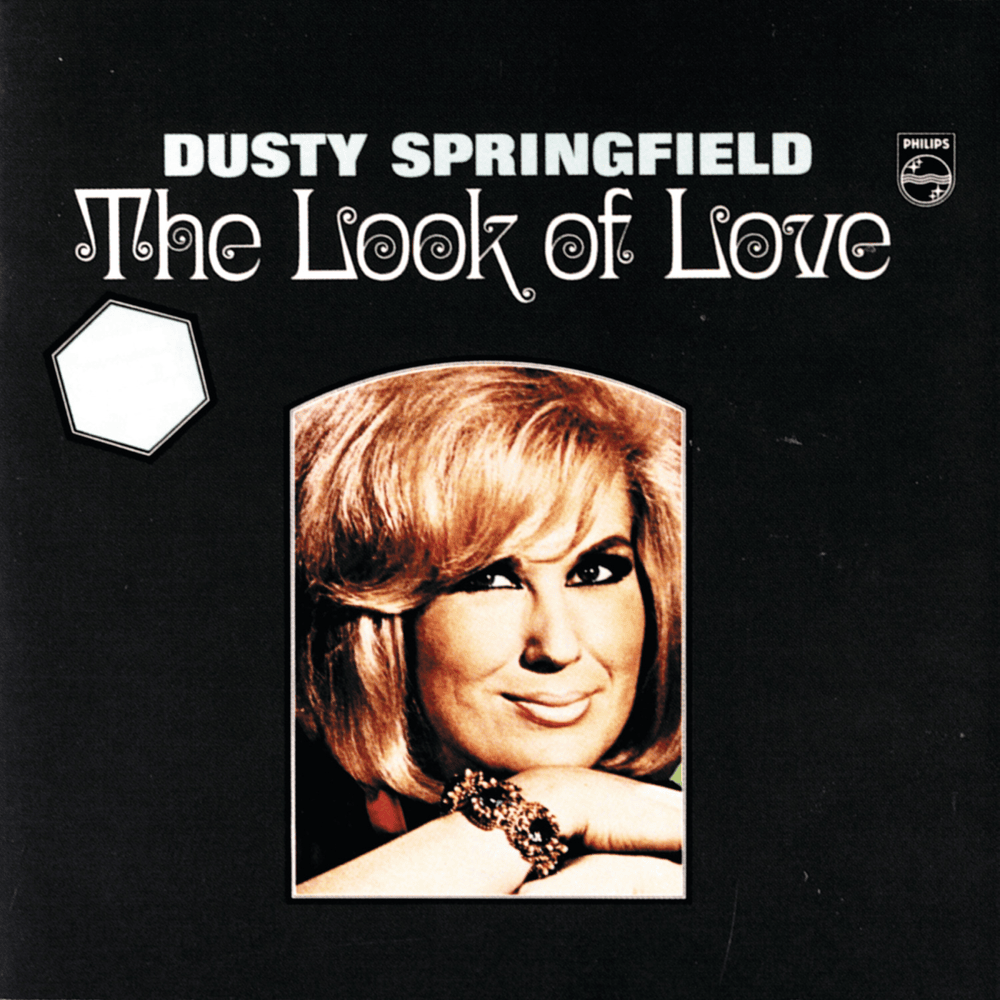
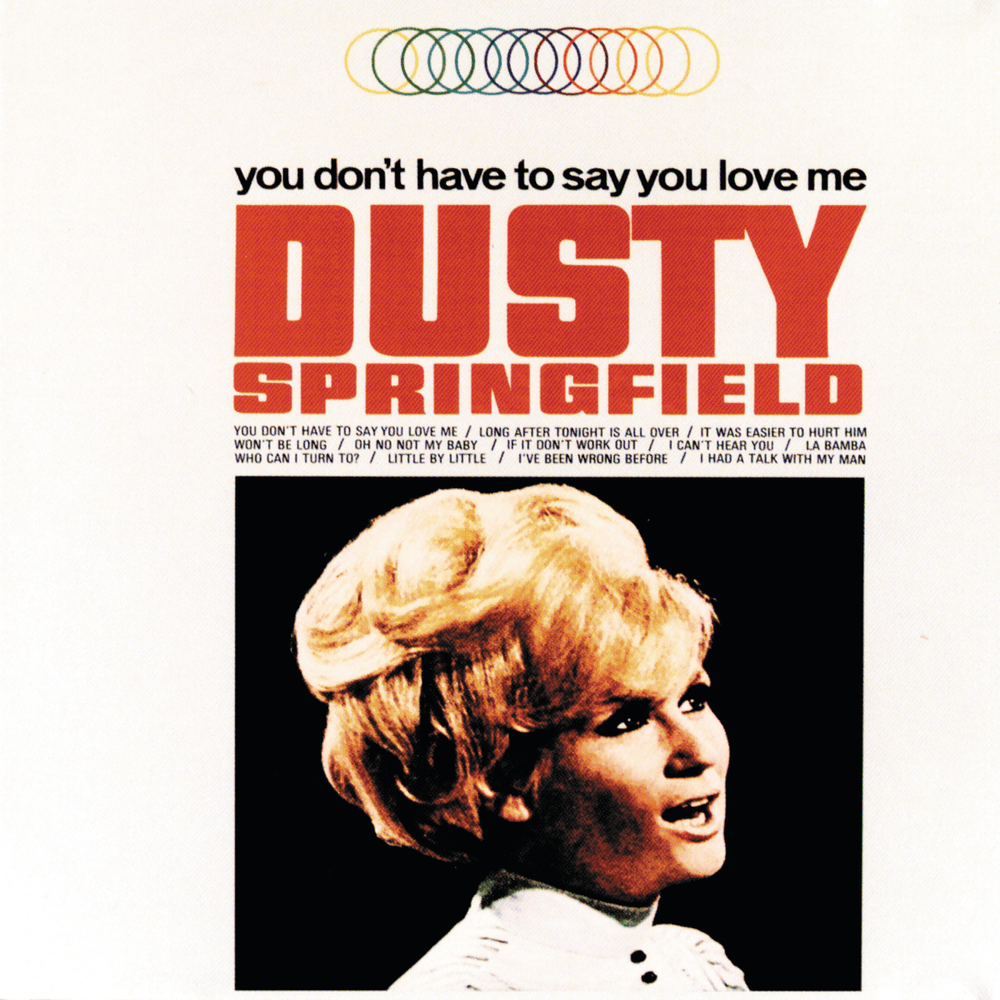
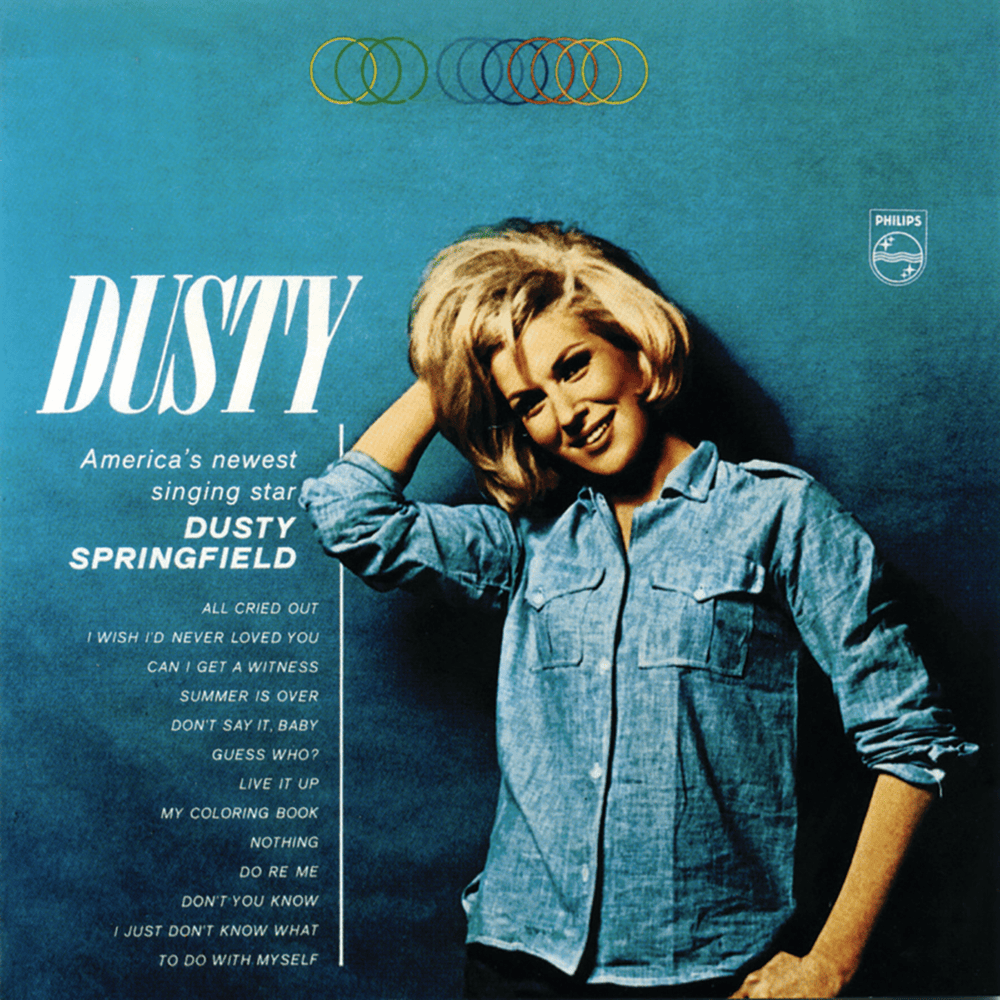
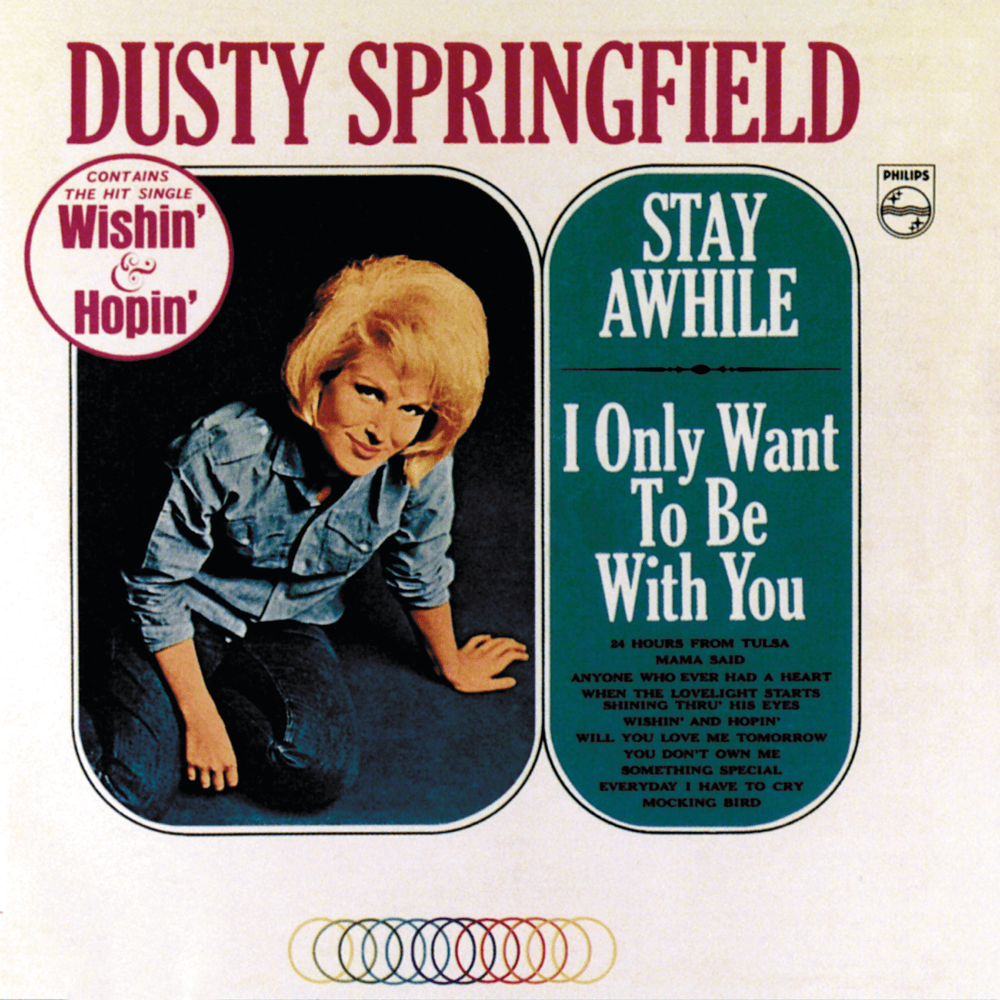
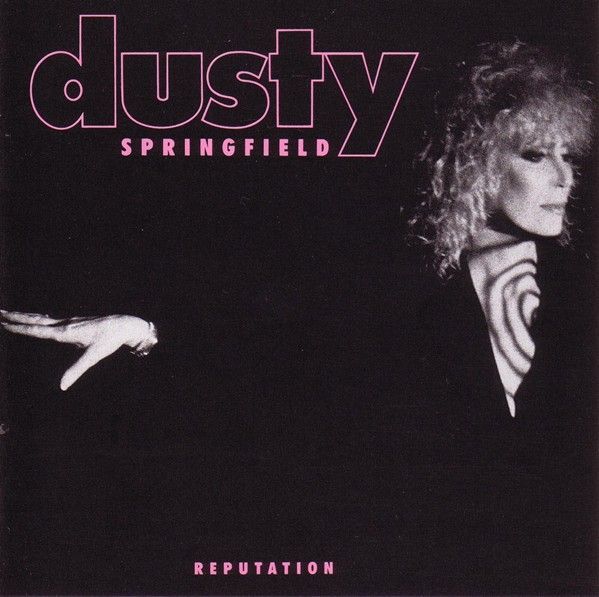
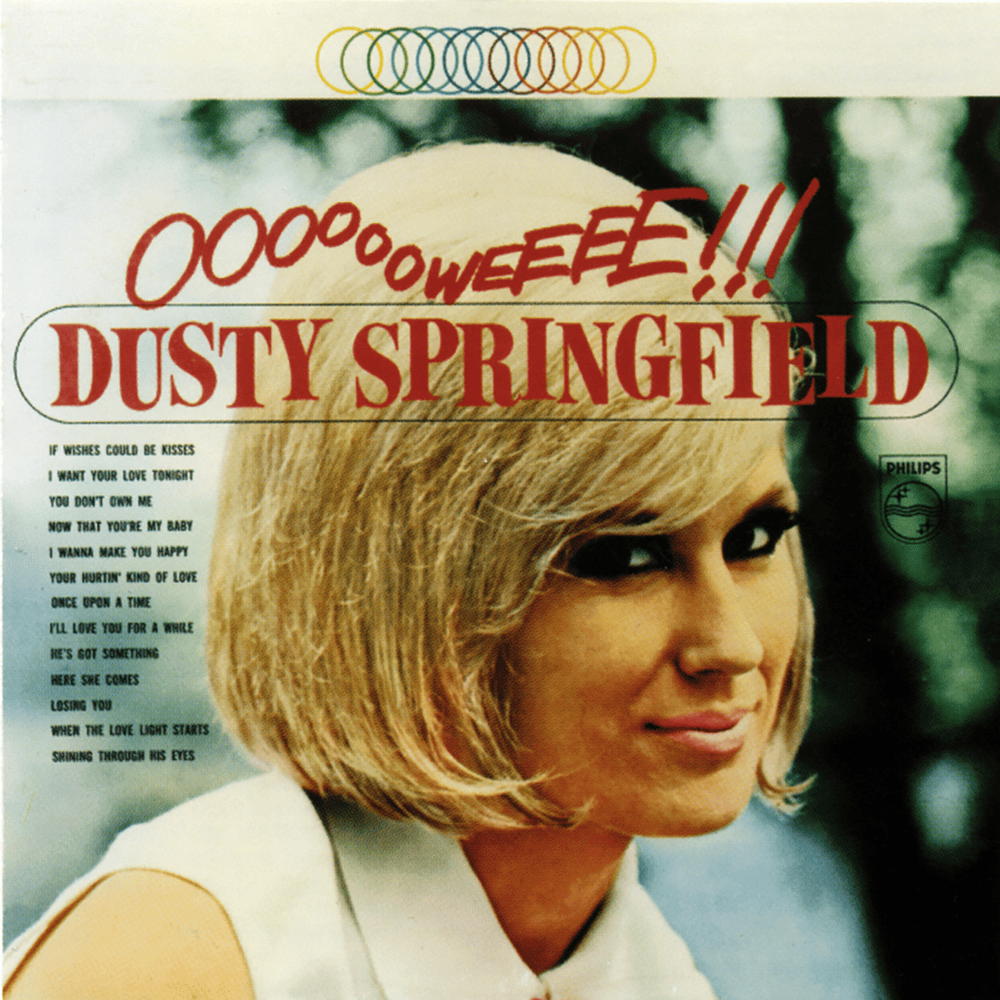
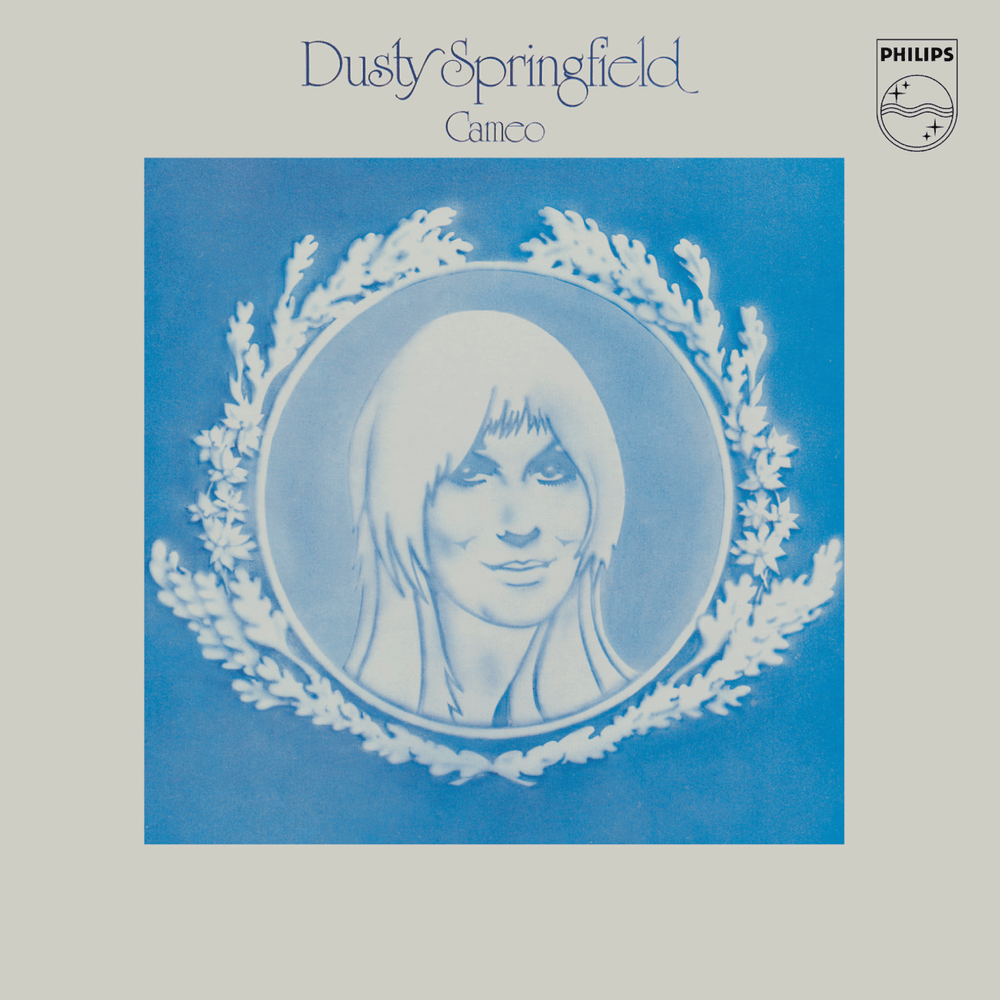
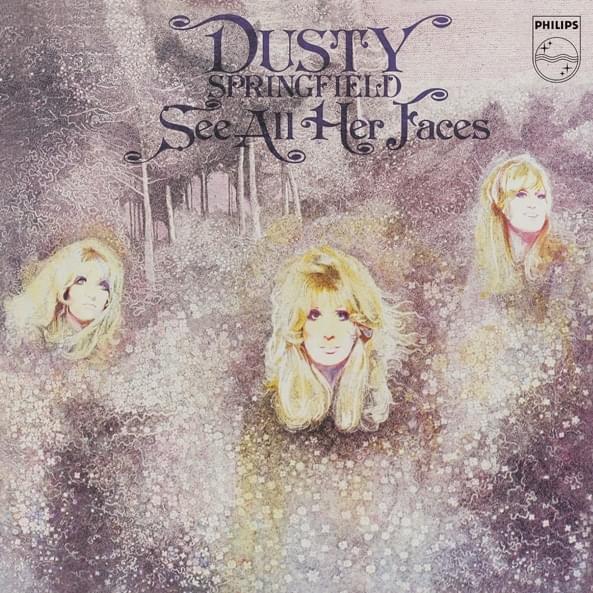
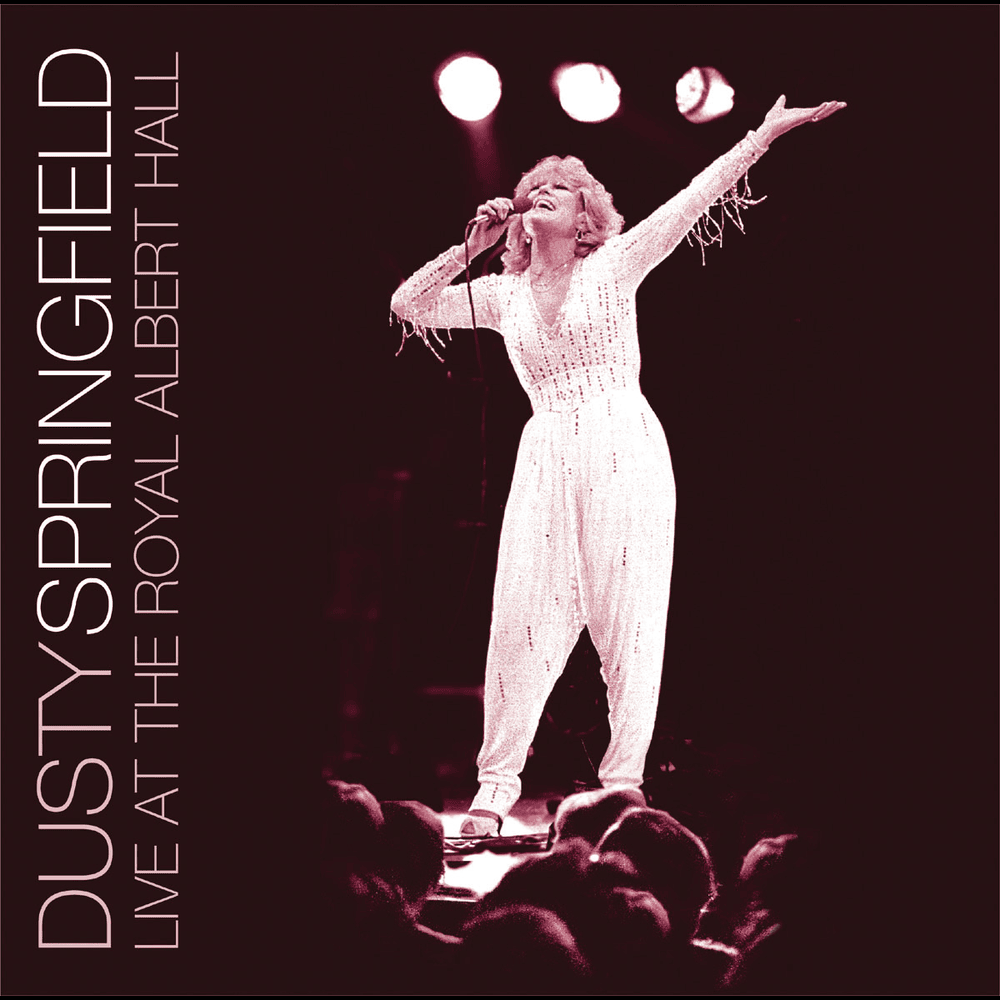
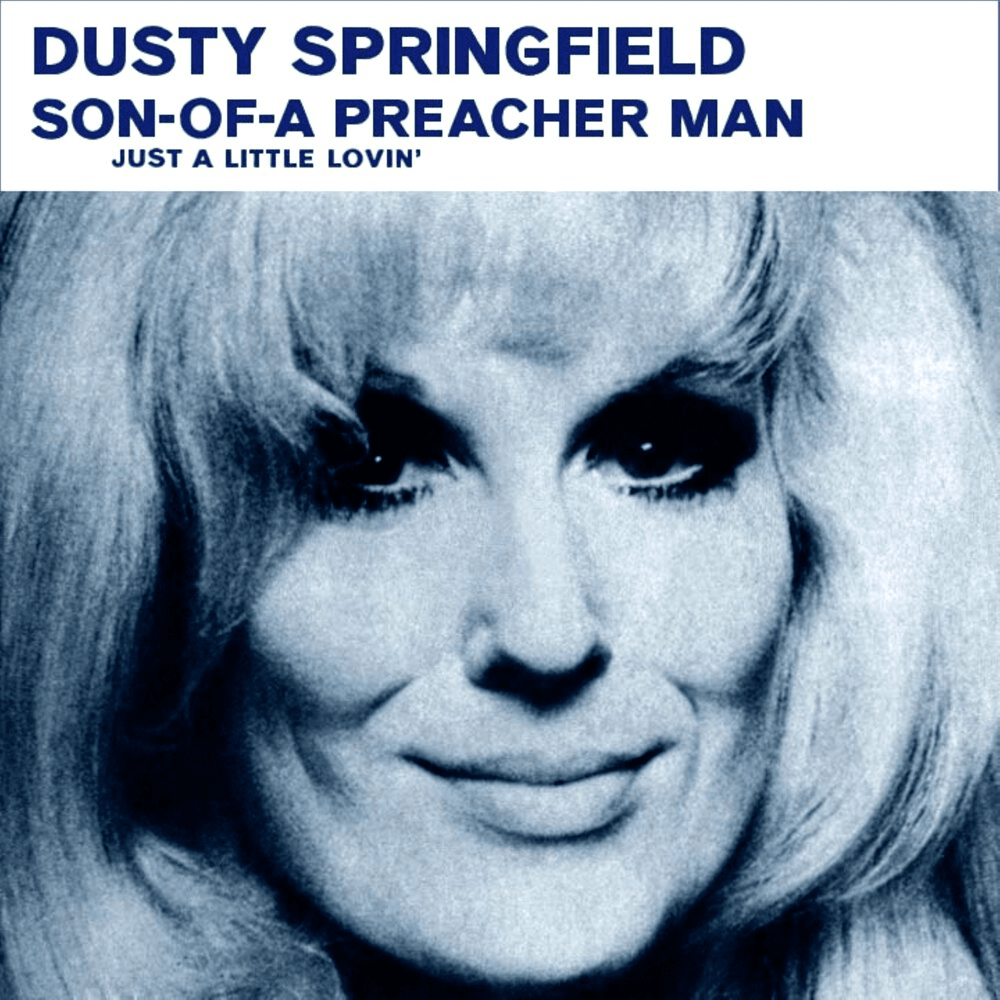
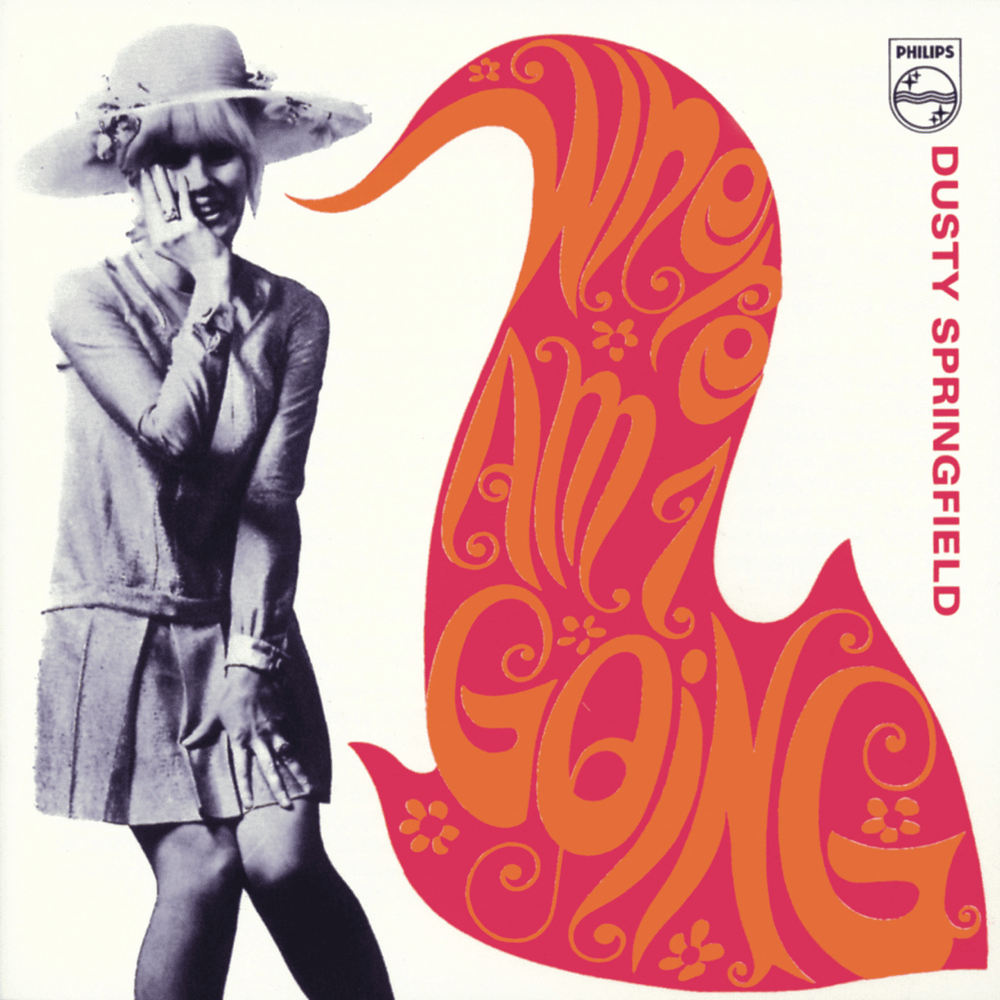
Mary Isobel Catherine Bernadette O'Brien, better known as Dusty Springfield, remains a towering figure in British pop music. Born in West Hampstead, London, her journey from a convent schoolgirl to a globally recognized soul icon is a testament to her raw talent, determination, and unique artistic vision. Springfield’s career began in the late 1950s with the all-girl vocal trio The Lana Sisters, but it was her formation of The Springfields with her brother Tom and Reshad Feild that first brought her widespread attention. However, Dusty's ambition and burgeoning solo aspirations soon led her to venture out on her own.
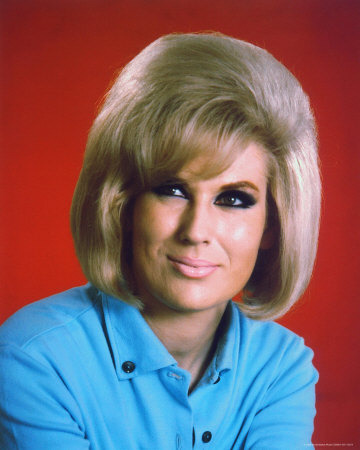
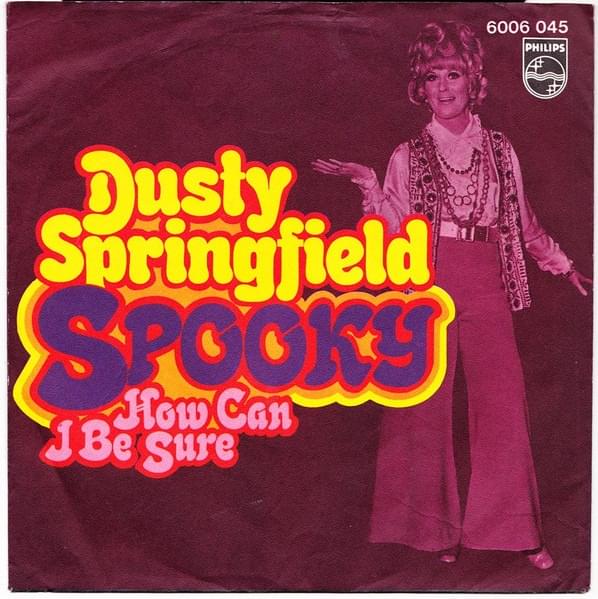
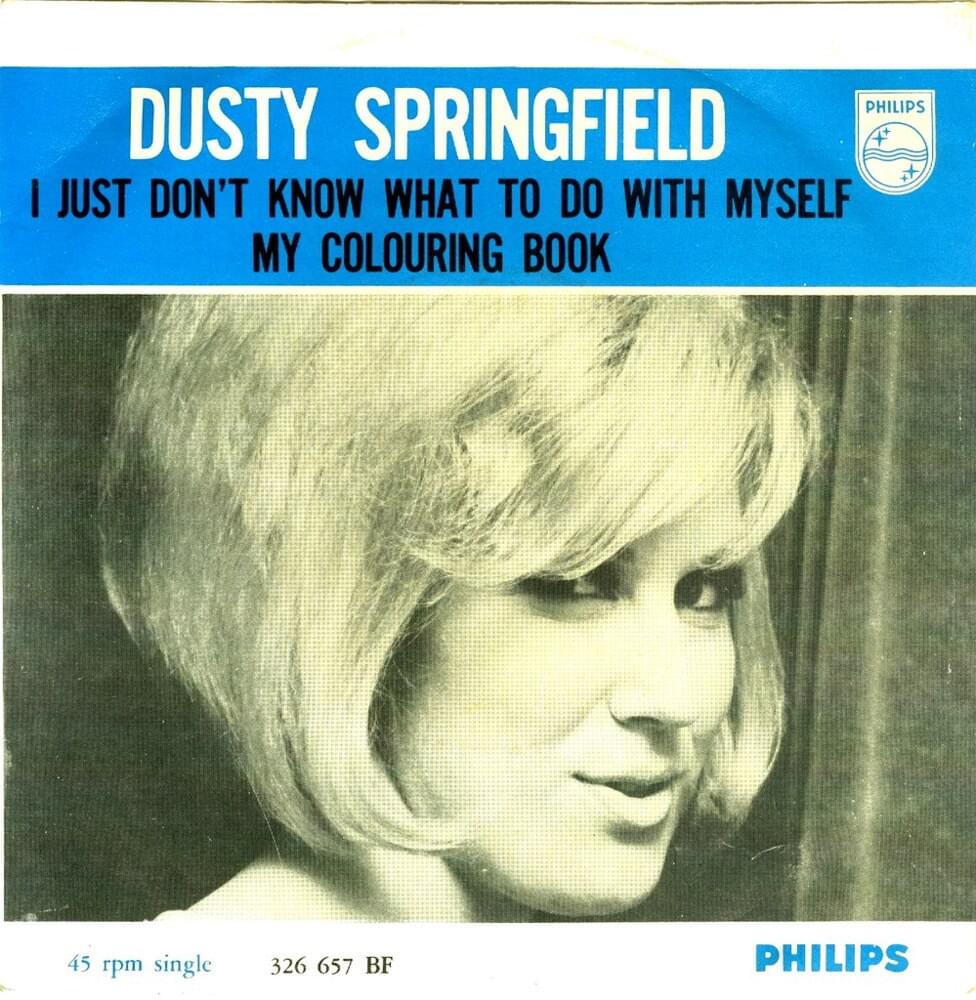
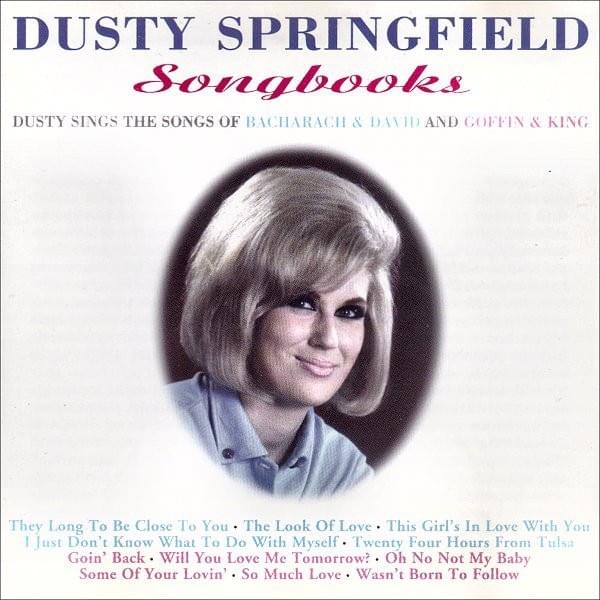
Springfield's solo career took off in the early 1960s, quickly establishing her as a prominent voice in the British Invasion. Her distinctive, husky vocals, perfectly complemented by her carefully crafted image – the beehive hairstyle, heavy eye makeup, and glamorous gowns – made her an instant sensation. She possessed a remarkable ability to interpret songs, infusing them with a depth of emotion and a soulful quality that transcended genre. This talent is evident in tracks like Oh No, Not My Baby, where her nuanced delivery transforms the song into a heart-wrenching plea.
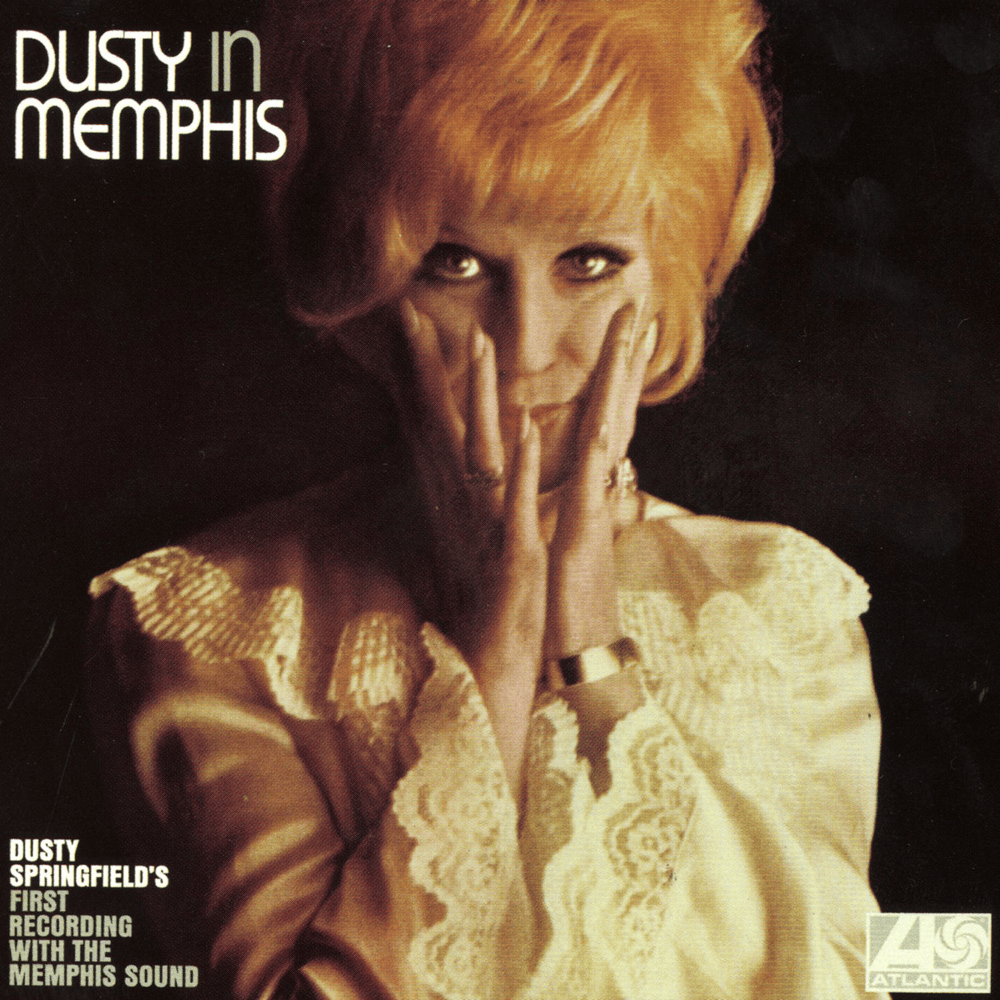
Dusty Springfield was not just a singer; she was a musical explorer. She championed American soul music, bringing it to a wider British audience through her influential BBC television show, *Ready Steady Go!* Her passion for authentic R&B led her to Memphis to record *Dusty in Memphis*, an album widely considered her masterpiece. The album's blend of soul, pop, and impeccable production showcased Springfield's vocal prowess and cemented her status as a true artist. Her influence extends to modern artists who emulate her style to this day.
While *Dusty in Memphis* remains a high point, Springfield's discography is filled with gems. She consistently delivered memorable performances, even on lesser-known tracks. Consider Get Yourself to Love. Her versatility allowed her to move effortlessly between upbeat pop anthems and introspective ballads. She also explored other sounds, even tackling country-tinged material later in her career, such as I'm Coming Home Again.
Springfield's personal life was often tumultuous, and she faced numerous challenges throughout her career. Despite these struggles, she continued to create music that resonated with audiences around the world. Her legacy as a groundbreaking female artist and a true vocal innovator remains secure. Even after her passing in 1999, her music continues to inspire and captivate, a testament to the enduring power of her voice and the timeless quality of her songs. One can still hear the pain and yearning in songs like Living Without Your Love, making her music deeply relatable even today. Her ability to convey raw emotion through her voice is what made her such an icon. And while she never stopped working to refine her craft, she always remained, at her core, the soulful voice of Swinging London. She truly gave her all, and even if you thought she was a bit down, she would tell you You Can Do It.