Song Meaning
The lyrics paint a bleak picture of a world where paths, both literal and metaphorical, are systematically destroyed. The narrator repeatedly questions their ability to proceed: "Ben geçer miyim? Yok" (Can I pass? No). This isn't just about physical obstacles; the "yolu kazmışlar" (they've dug up the road) and "yolu yakmışlar" (they've burned the road) suggest a deliberate dismantling of ways forward, whether they be based on reason, respect, or even the heart itself. The constant refrain "Haberin var mı koç?" (Do you have any news, man?) adds a layer of bewildered inquiry, as if seeking confirmation of this widespread desolation.
The central tension lies in the narrator's confrontation with a pervasive sense of futility and destruction. The lyrics list a series of violent acts against unnamed individuals: "kimi yakmışlar" (whom have they burned), "kimi asmışlar" (whom have they hanged), "kimi gömmüşler" (whom have they buried), "kimi kesmişler" (whom have they cut), and "kimi atmışlar" (whom have they thrown). These actions, coupled with the destruction of paths, create an atmosphere of societal breakdown and existential despair. The repeated question about passing implies a personal struggle to find meaning or a way through this ravaged landscape.
The most striking aspect of the craft is the relentless repetition and the stark, declarative nature of the destruction. The phrase "Manası yoktur, yok" (It has no meaning, no) and "Yok bu alemin / Alası yoktur, yok" (There is no best/superiority in this world, no) hammers home a nihilistic conclusion. The destruction of specific paths – "Akıldan geçen yolu" (the road that passes through the mind), "Saygıdan geçen yolu" (the road that passes through respect), "Solumdan geçen yolu" (the road that passes through my left side), "Gönülden geçen yolu" (the road that passes through the heart), "Sanattan geçen yolu" (the road that passes through art) – reveals that the destruction is not random but targets fundamental aspects of human experience and connection.
This lyrical approach is effective because it mirrors the feeling of being overwhelmed by senseless violence and the erosion of societal structures. The directness of the language, the stark imagery of destroyed paths and executed people, and the insistent repetition of "yok" (no/none) create a powerful sense of hopelessness. It leaves the listener with the chilling realization that the "world" itself, this "alem," is fundamentally flawed and devoid of inherent meaning or any redeeming quality, making any attempt to navigate it feel ultimately pointless.
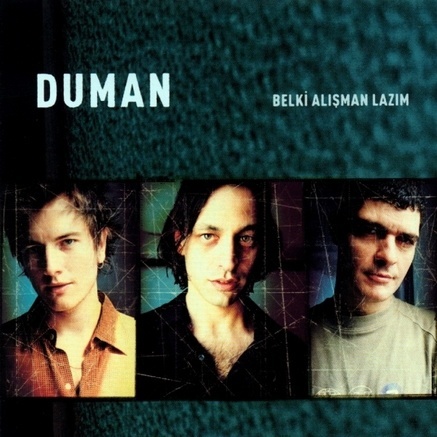
 View Artist