Song Meaning
The lyrics paint a picture of persistent betrayal and heartbreak, delivered with a raw, almost defiant tone. The opening lines immediately establish a sense of being "given away" or exposed by "bastard offspring," setting a dark, accusatory mood. This initial betrayal seems to have led to a prolonged period of having one's heart broken, a phrase that is hammered home with relentless repetition throughout the track. The dominant emotion is one of deep-seated pain, amplified by the cyclical nature of the betrayal and its lasting impact.
The central tension arises from the idea that "the man of the same path could not stand you," suggesting a deep-seated incompatibility or perhaps envy that led to this repeated heartbreak. The repetition of "kırmış kalbini" (broken your heart) isn't just a statement; it's an incantation, emphasizing the inescapable and recurring nature of this emotional wound. It feels like a narrative of someone who has been consistently let down, their heart shattered over and over again by those they might have expected support from.
The bridge offers a stark contrast, shifting from the pain of betrayal to a declaration of enduring presence and resilience. Lines like "We didn't look back, we didn't get tired" and "Look, we're still here" suggest a journey through hardship, possibly even madness ("Maybe we went mad and appeared"). The narrator insists on their continued existence despite the trials, offering a message of reassurance: "Don't you ever be sad, don't you ever cry." This section transforms the song from a lament into a testament to survival, a defiant stand against the forces that have tried to break them.
What makes these lyrics so potent is the juxtaposition of profound hurt with an unyielding spirit. The repeated "kırmış kalbini" creates a hypnotic, almost obsessive focus on the pain, making it palpable. Yet, the bridge pulls the listener out of that darkness, revealing a core of strength and perseverance. The effectiveness lies in this dynamic: acknowledging the deep scars while simultaneously celebrating the refusal to be permanently defeated, a powerful message delivered through stark imagery and insistent rhythm.
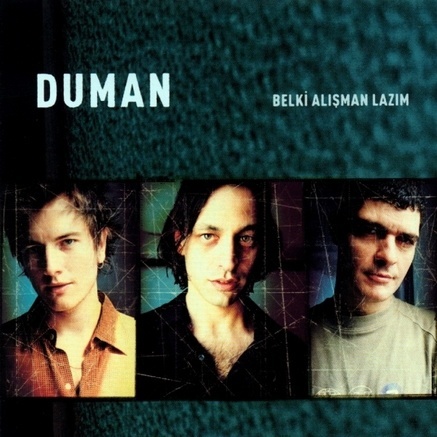
 View Artist