Song Meaning
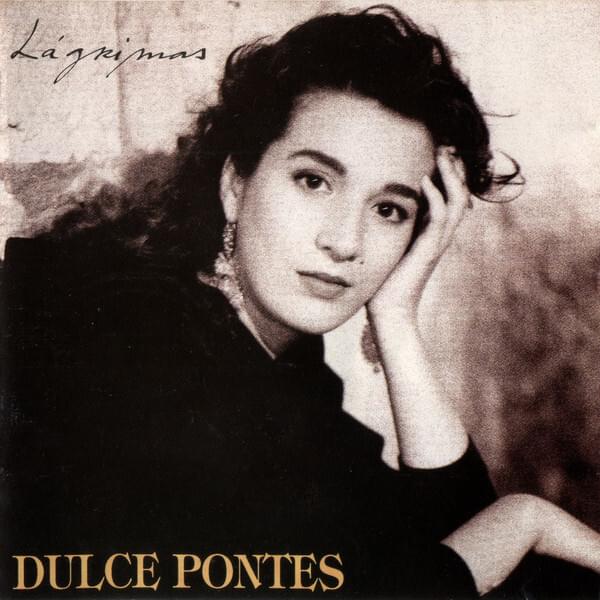
Dulce Pontes' "Que amor não me engana" unfurls like a melancholic fado dream, a meditation on love's deceptive tenderness and the lingering sting of past wounds. The song meaning isn't a straightforward narrative, but rather a tapestry woven with evocative imagery. The opening lines, "Que amor não me engana / Com a sua brandura," immediately establish a guarded stance, a plea that love's gentle facade not mask a deeper, more painful truth. This sets the stage for an exploration of love's duality: its potential for solace versus its capacity to inflict lasting scars. The singer acknowledges the 'antiga chama' (old flame) whose bitterness lingers like a dark stain, a cold stone, suggesting a love that has soured, leaving behind emptiness and distrust. The core of the song examines how love can trick you with tenderness, but its pain lingers. This is a sophisticated topic, and the artist handles it well.
The chorus introduces a haunting element, with voices choked in anxious silence. Paradoxically, the further they drift apart, the louder their cries become. This speaks to the enduring echo of lost connections, how the absence of love can resonate more powerfully than its presence. The 'noite marinheira' (seafaring night) evokes a sense of vastness and solitude, with the singer imploring it to approach gently, perhaps seeking solace or guidance in the darkness. The water imagery is potent, suggesting both the fluidity of emotions and the potential for drowning in sorrow. The lyrics analysis reveals a song about heartbreak, longing, and cautious hope.
The second verse shifts to imagery of renewal and hope, with red flowers blooming in springtime. This juxtaposition of past pain and the promise of new beginnings adds complexity to the song's emotional landscape. The plea to the 'irmã cotovia' (sister lark) to reveal whether the dawn is near underscores the yearning for clarity and resolution. The lark, a symbol of hope and new beginnings, is asked to provide assurance that the darkness will eventually give way to light. The repetition of the chorus reinforces the cyclical nature of love and loss, the constant interplay between hope and despair. Dulce Pontes creates a truly moving atmosphere here. Ultimately, "Que amor não me engana" is a poignant exploration of love's complexities, its capacity to both wound and heal, and the enduring search for truth and hope amidst the shadows of the past.
 View Artist