Song Meaning
These lyrics paint a picture of a community emerging from hardship, finding renewed purpose and unity. The opening lines, "From the ashes, and the dust, we have found where we belong," immediately establish a narrative of rebirth and belonging after a period of destruction or neglect. This sense of collective renewal is further emphasized by the phrase "Renewed our bonds, of soul and voice," suggesting a deep, spiritual reconnection that fuels their shared expression.
The central tension lies in the anticipation of a divine revelation and the internal struggle to embody its principles. The repeated plea, "Reveal the unseen Kingdom," underscores a yearning for a higher spiritual reality, while the lines "Though we are strangers, we must not appall / But rise to answer the call" highlight the personal responsibility to act in accordance with this faith. This duality between passive waiting and active service creates a compelling emotional core.
The most striking craft element is the juxtaposition of sacred imagery with a grounded sense of duty. The reference to bearing "the cross of grace" and serving "in love" points to Christian themes, but the persistent call to "Reveal the Kingdom" suggests that this revelation isn't just an external event, but something to be actively manifested through their actions. The inclusion of the Latin phrase "Exsiccatum est foenum, et cecidit flos; Verbum autem Domini nostri manet in æternum" (The grass has withered, and the flower has fallen; but the word of our Lord stands forever) reinforces the theme of enduring truth amidst transient worldly conditions.
This lyrical construction is effective because it grounds abstract spiritual aspirations in tangible human experience and action. The repetition of "Reveal the Kingdom" acts as a mantra, building intensity and reinforcing the central desire, while the call to serve "in love" provides a clear, actionable directive. It speaks to a desire for transcendence that is simultaneously an invitation to immediate, faithful living.
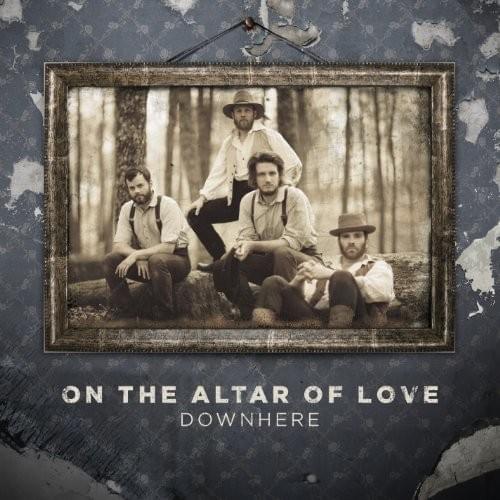
 View Artist