Song Meaning
The lyrics present a stark contrast between grand expectations and a humble reality, questioning the nature of power and sacrifice. The opening verse immediately subverts the idea of a triumphant arrival, describing a "child in a manger" as "lowly and small, the weakest of all." This deliberate deflation of grandeur sets the stage for a profound re-evaluation of what it means to be a "hero" or a figure of ultimate importance. The narrator seems to grapple with the unexpected simplicity of this awaited figure, asking, "Is this who we've waited for?"
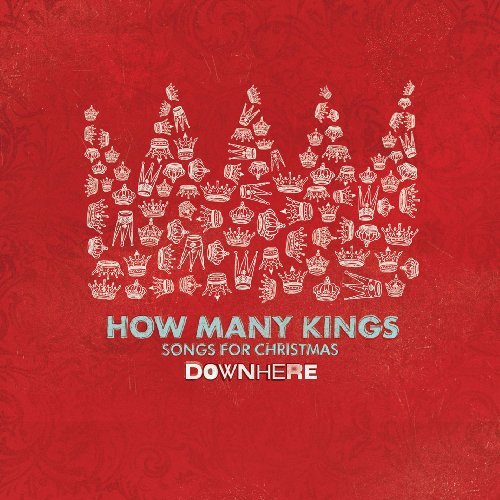
The central tension lies in the repeated, rhetorical questions of the hook: "how many kings stepped down from their thrones?" and "how many lords have abandoned their homes?" These questions challenge conventional notions of power, suggesting that true greatness might be found not in accumulation and dominion, but in relinquishment and self-giving. The lyrics propose a radical redefinition of leadership, where "greats have become the least." This inversion of status is directly tied to a personal "for me," highlighting an intimate and sacrificial act.
The most striking craft element is the juxtaposition of regal imagery with the vulnerability of a newborn. The mention of "Gold for His honor and frankincense for His pleasure" evokes traditional tributes to royalty, but this is immediately undercut by "myrrh for the cross He'll suffer." This foreshadowing of suffering within the context of a birth narrative is a powerful literary device, linking the ultimate sacrifice directly to the beginning of this figure's story. The repetition of "All for me, all for you" in the bridge and outro reinforces the personal and universal scope of this sacrifice.
Ultimately, these lyrics resonate because they dismantle expectations of power and replace them with an image of profound, personal sacrifice. The repeated question, "Is this who we've waited for?" is answered not with a grand display of might, but with an act of ultimate vulnerability and love. The writing forces a contemplation of what truly matters, suggesting that the greatest acts are often the most humble and self-emptying, offered "for me."
 View Artist