Song Meaning
The lyrics paint a vivid picture of someone trapped by their own self-recrimination. The narrator observes a relentless cycle of "untamed guilt," where the subject "keep[s] laying down $100 bills" on the "counter of your untamed guilt," suggesting a continuous, costly penance for past actions. This self-punishment is depicted as an internal, self-imposed sentence, as the narrator points out, "No one here is throwing stones / But you have got to drop your own." The core message is that the harshest judge is the one looking back from the mirror.
The central tension lies in the conflict between the desire for freedom and the inability to escape self-judgment. The narrator directly confronts this, asking, "Can you tell me how you spend every day / Looking in the mirror of your shame?" The imagery of being "tied a stone around your neck" and "drowning in a past regret" powerfully conveys the suffocating weight of this internal prison. The lyrics suggest that the act of self-forgiveness is the only key to liberation, a difficult but necessary step to break free from this self-inflicted suffering.
The most striking aspect of the writing is its direct, almost confrontational address to the listener, creating an immediate sense of urgency. The repeated refrain, "Forgive yourself, forgive yourself," acts as a mantra, urging a release from the "prison" of guilt. The lyrics cleverly contrast external judgment with internal condemnation, highlighting that the true barrier to healing is the self-imposed belief that one "deserve[s] to live like this." This internal dialogue is what makes the plea for self-forgiveness so potent.
Ultimately, the effectiveness of these lyrics stems from their unflinching portrayal of self-punishment and the clear, albeit challenging, path offered towards redemption. By framing forgiveness not as an external absolution but as an internal act of "believing" in one's own deliverance, the song resonates deeply. It speaks to the universal struggle of overcoming past mistakes and the profound freedom found in letting go of self-condemnation, offering a message of hope grounded in personal agency.
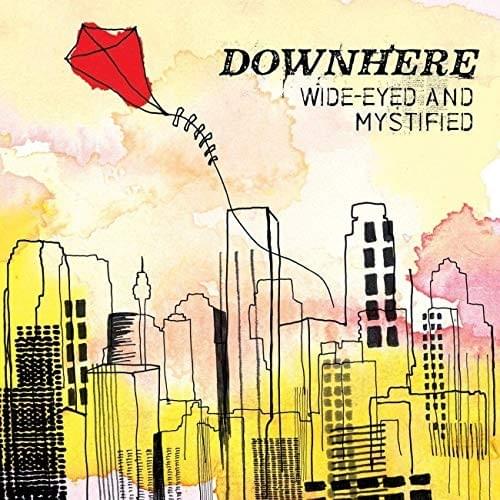
 View Artist