Song Meaning
This hymn paints a vivid, celestial scene, calling upon angelic hosts to announce a monumental event. The opening lines immediately establish a grand, cosmic scale, referencing their role in creation's story and now tasking them with proclaiming the birth of a king. The dominant tone is one of awe and urgent invitation, urging listeners to join this divine announcement.
The core tension lies in the stark contrast between divine judgment and divine mercy. The lyrics directly address "sinners, wrung with true repentance," highlighting their precarious state of "endless pains" and "guilt." Yet, this dire picture is immediately undercut by the promise that "Justice now revokes the sentence" and "Mercy calls you, break your chains." This dramatic shift from condemnation to liberation forms the emotional backbone of the call to worship.
The most striking element is the relentless, almost overwhelming repetition of the phrase "Come and worship." This isn't just an invitation; it's a command, amplified by the escalating number of repetitions in the final stanzas. It hammers home the central imperative, creating a sense of communal, joyous urgency that builds throughout the hymn. The structure moves from the celestial realm down to earthly "sinners," and then expands to "all creation," unifying everything under the call to praise the "eternal Three in One."
What makes these lyrics so effective is their direct, unadorned appeal to both the sublime and the personal. By invoking the glory of angels and the vastness of creation, they elevate the event of Christ's birth to cosmic significance. Simultaneously, by speaking directly to the "sinners" and their "guilt," the lyrics offer a profound sense of hope and redemption, making the call to worship deeply resonant and universally applicable within its theological framework.
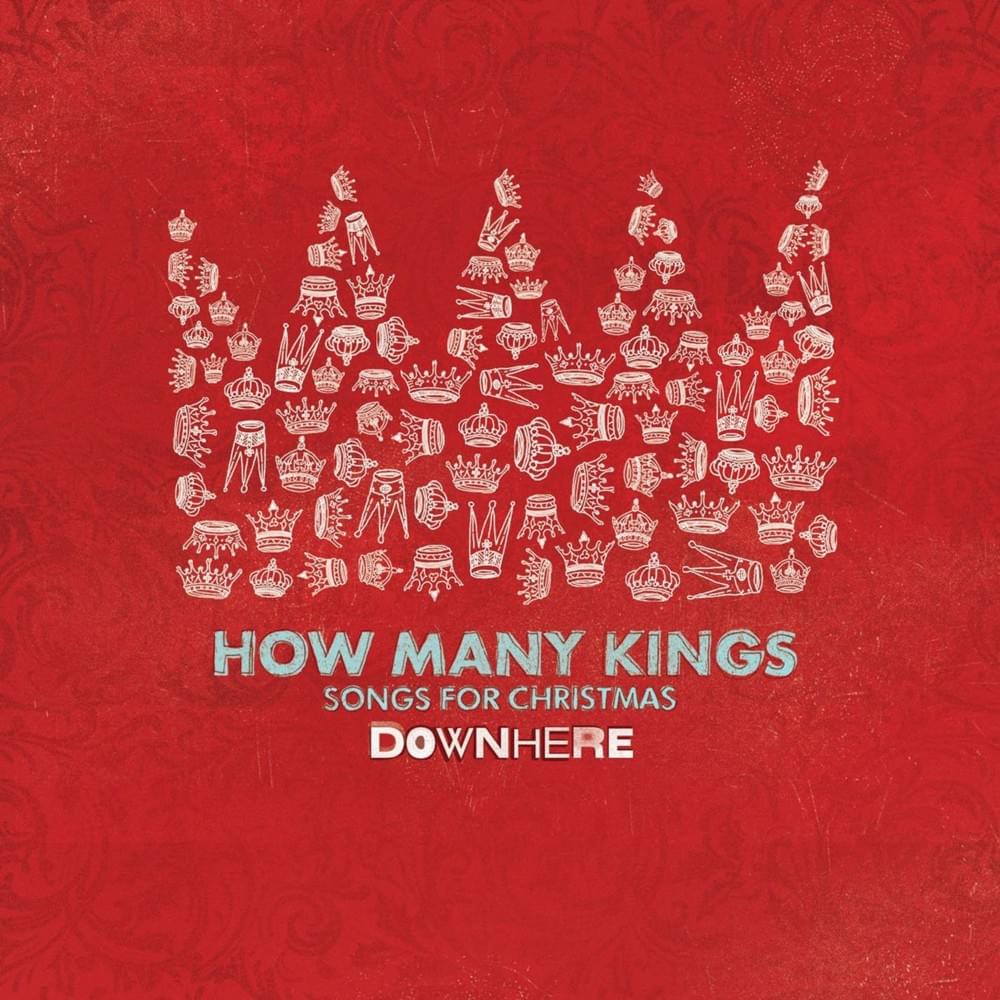
 View Artist