Song Meaning
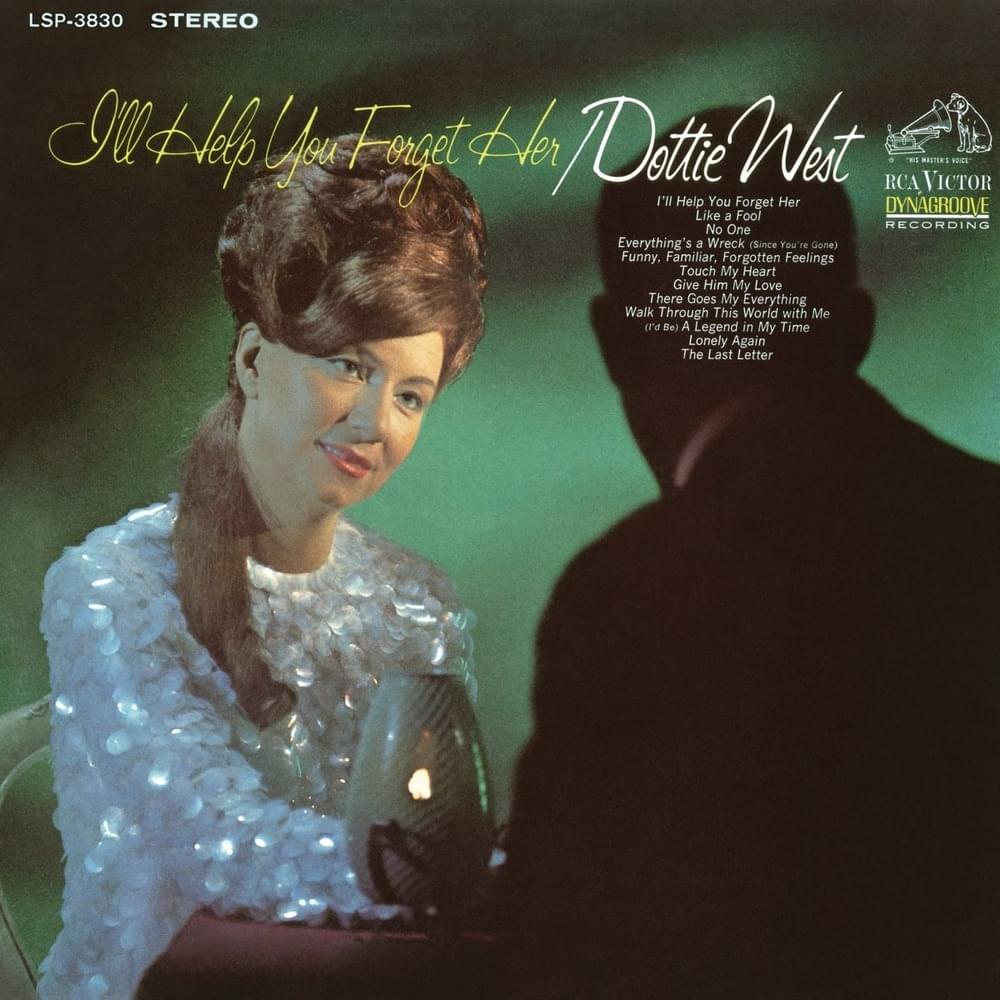
Dottie West's "No One" is a masterclass in country music's enduring theme: the agonizing dance between love and self-destruction. It's a raw, almost masochistic, exploration of devotion that persists despite overwhelming pain. The song isn't just about unrequited love; it's about a love that actively inflicts harm, a relationship where the singer acknowledges the imbalance of suffering endured. The repetition of "No one is worth all the hurt you've put me through" serves as both a lament and a defiant justification, a paradox at the heart of the song's emotional core. It begs the question: at what point does love become a form of self-inflicted wound? West doesn't shy away from portraying the speaker as, perhaps, a fool for staying, admitting "No one but a fool would love so hopelessly."
The psychological undercurrent here is fascinating. The lyrics expose a potential codependency, a reliance on the very person causing the pain. The line, "No one but a fool would ask for misery," hints at a subconscious desire for suffering, as if the pain itself is a twisted form of validation or connection. There’s a dangerous comfort in the familiar ache, a fear of the unknown that keeps the speaker tethered to a destructive relationship. The repeated phrase "No one but you" underscores this exclusive bond, suggesting that only this particular person has the power to elicit such intense feelings, both positive and negative.
Ultimately, "No One" resonates because it taps into a universal vulnerability. It's a stark portrayal of the irrationality of the human heart, the way we can cling to love even when it's demonstrably harmful. West's delivery, presumably filled with the signature ache of classic country, elevates the song beyond a simple tale of heartbreak. It becomes a haunting meditation on the complexities of love, obsession, and the enduring power of hope, however misguided it may seem.
 View Artist