Song Meaning
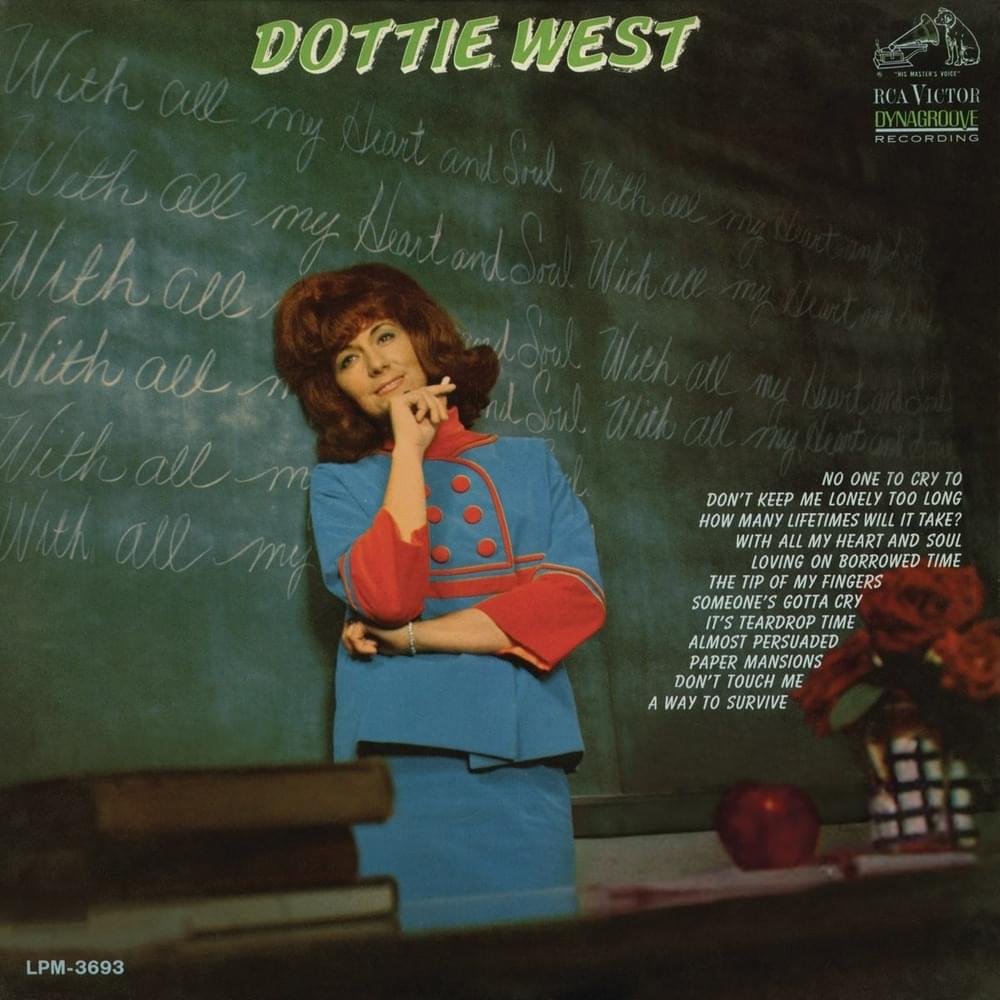
Dottie West’s "Lovin' on Borrowed Time" doesn't mince words; it’s a stark admission of guilt and impending doom wrapped in a countrypolitan ballad. The song's core examines the psychological tightrope walked by individuals engaged in an affair. It's not just about the thrill of forbidden love, but the gnawing awareness of its unsustainable nature. West’s clear delivery underscores the internal conflict, the push and pull between present ecstasy and future reckoning. The recurring phrase, "We're just loving on borrowed time," acts as both a confession and a desperate plea for understanding. It acknowledges the inherent moral transgression ("Stealing someone else's love is as bad as any crime") while simultaneously highlighting the intoxicating allure of the relationship. The singer is trapped, aware of the consequences but seemingly powerless to change course. The repeated question of “how much longer” emphasizes the anxiety and uncertainty plaguing the lovers.
The lyrics suggest a relationship built on secrecy and deception. The singer questions how much longer they can “hide this stolen love” or “run till they find,” revealing a constant state of vigilance and fear. This paranoia becomes a defining characteristic of the affair, poisoning the moments of joy with an undercurrent of dread. The "sacred world" they inhabit, though seemingly like "heaven here on earth," is ultimately fragile and unsustainable. The use of religious language underscores the profound nature of the singer's internal conflict. The intensity of their bond is undeniable, yet its foundation is built on a moral quicksand.
The raw emotionality of "Lovin' on Borrowed Time" stems from its unflinching honesty. There’s no attempt to romanticize the affair or justify the actions. The metaphor of a flame burning "much too high" suggests a passion that is both consuming and self-destructive. The song's power lies in its vulnerability, in exposing the messy, complicated reality of forbidden love and the psychological toll it takes on those involved. It's a portrait of people caught in a web of their own making, desperately clinging to fleeting moments of happiness while knowing that their time is running out. The final repetition of the title phrase serves as a chilling reminder of the precariousness of their situation.
 View Artist