Song Meaning
Dottie West's "It's a Sin" isn't just a lament; it's a psychological portrait of forbidden desire, painted with the stark colors of country heartbreak. The song's core concept hinges on the internalization of societal or personal prohibitions. The 'sin' isn't a specific act, but the very feeling of love itself, rendered illicit by circumstance. This creates a fascinating tension: the speaker isn't wallowing in guilt for something *done*, but for something *felt*, a far more insidious form of self-reproach. It suggests a world where emotions are policed, where the boundaries of acceptable affection are rigidly enforced, likely by external forces or internalized moral constraints. The repetition of 'It's a sin, my darling, how I love you' acts as both a confession and a self-flagellating mantra.
The lyrics hint at a love triangle ("I'm sure you must be happy with your new love"), but the narrative is less about jealousy and more about the speaker's sense of inescapable isolation. The focus remains intensely internal, dwelling on the agonizing distance between desire and reality. The 'dream I built for us now has tumbled, each promise broken just like my heart' is a classic country trope, but here it's heightened by the overarching sense of moral transgression. The broken promises aren't just relationship failures; they're violations of an unspoken code, compounding the emotional pain with a layer of shame.
Ultimately, the song meaning of "It's a Sin" rests on the conflict between the natural human impulse to love and the artificial constraints imposed upon it. It's a study of how individuals internalize societal expectations, turning their own emotions into sources of guilt and self-punishment. This makes the song more than a simple tale of unrequited love; it transforms it into a haunting exploration of the psychological burden of forbidden desire and the ways in which we can become prisoners of our own hearts and minds.
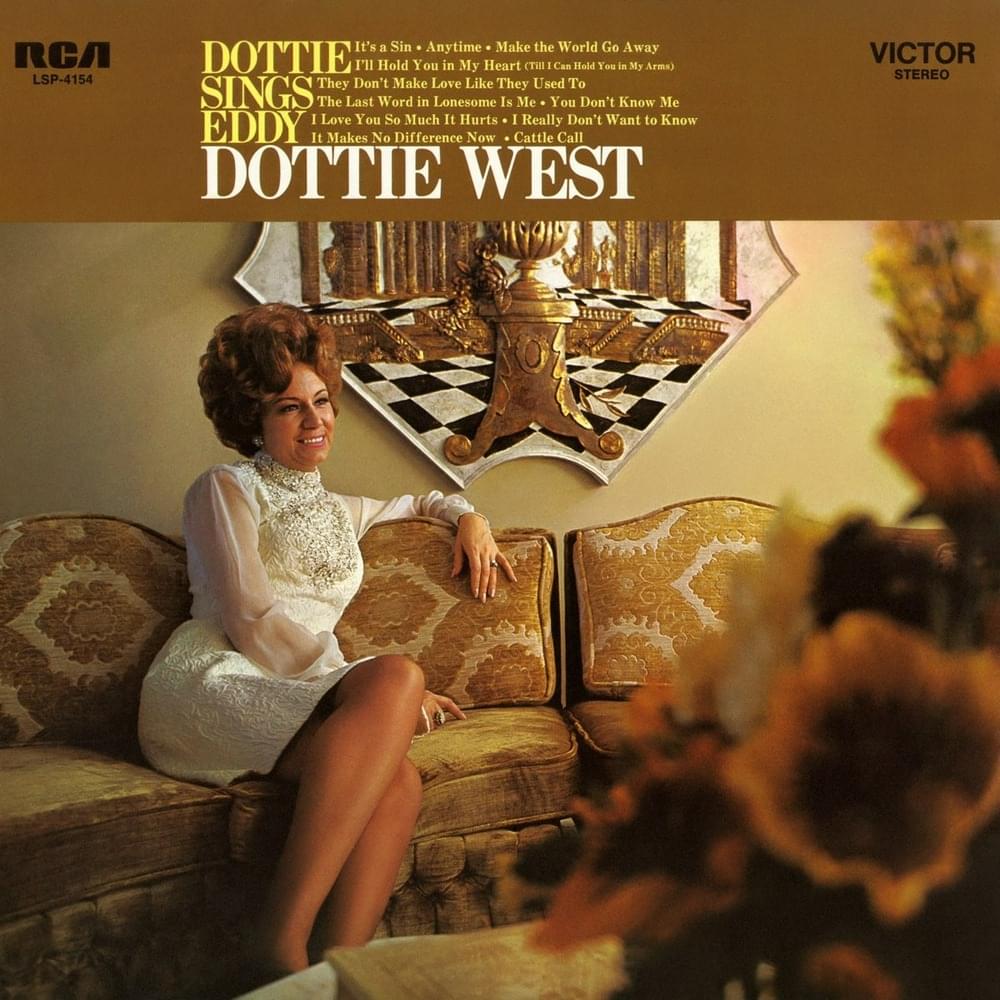
 View Artist