Song Meaning
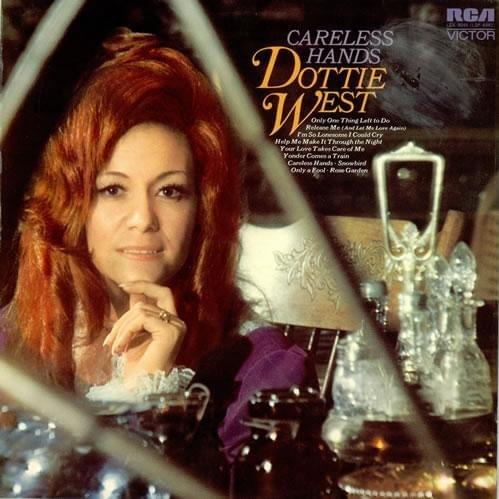
Dottie West's rendition of "I'm So Lonesome I Could Cry" isn't just a country lament; it's a masterclass in emotional projection. West doesn't simply state her loneliness; she paints a desolate soundscape where nature itself mirrors her internal state. The whippoorwill's mournful call, the train's low whine, and even the moon hiding its face are all externalizations of a profound inner ache. This isn't just feeling sad; it's an immersive experience of solitude. The brilliance of the lyrics lies in their ability to tap into universal feelings of isolation, amplified by the natural world's somber reflection. It's a form of pathetic fallacy elevated to an art form. The song's meaning resonates because it understands that loneliness isn't just a feeling, it's an environment.
The image of the robin weeping as leaves fall is particularly potent. It symbolizes a loss of hope, a surrender to the inevitable decline. This isn't just sadness; it's a kind of existential despair. The robin has lost the will to live. The falling star in a purple sky then adds another layer, a fleeting moment of beauty against a backdrop of vast emptiness. The speaker's wonder about the absent loved one amplifies the feeling of abandonment, suggesting a longing that stretches into the infinite. It's a loneliness that transcends the personal and touches the cosmic. The song's power is in making the listener feel this vastness.
Ultimately, the song's title, repeated as a refrain, isn't just a statement of fact but a declaration of overwhelming emotion. It's not just that she's lonely; she's *so* lonesome she could cry, a distinction that elevates the feeling to an almost unbearable level. Dottie West makes the familiar ache of loneliness feel operatic, and her version taps into that deep well of human emotion.
 View Artist