Song Meaning
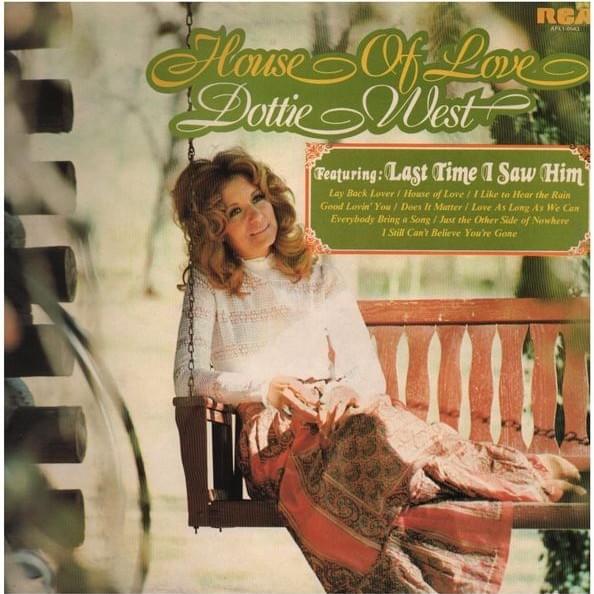
Dottie West's "Everybody Bring a Song" isn't just a country tune; it's a masterclass in the psychology of homecoming. The lyrics paint a picture of a prodigal daughter returning to her roots, not with head bowed in shame, but with an invitation to celebrate. The repeated refrain, "Everybody bring a song," is more than just a catchy hook; it's a carefully constructed request for communal healing. She's not asking for forgiveness outright, but rather suggesting a collective act of catharsis through music. It's a brilliant emotional sidestep, acknowledging past missteps without dwelling in them. The explicit request to avoid "tears from all the years" further underscores the desire to move forward, focusing on the present joy of reconnection. This isn't about wallowing; it's about rebuilding. She understands the social dynamics at play, and attempts to control the narrative. She wants to be welcomed back with open arms, not judged for her absence. She leverages the potent force of community to achieve that aim. She wants to dictate the terms of her return.
The song meaning deepens with the anticipation of a specific someone's arrival: "He may be shy, but he's the guy who said he'll wait for me." This reveal adds a layer of romantic reconciliation to the narrative, suggesting that the protagonist's personal journey is intertwined with her relationship with this steadfast lover. His presence symbolizes unwavering support and acceptance, reinforcing the theme of redemption. The line, "He's my man when he takes my hand," emphasizes the importance of physical connection and commitment in solidifying the renewed bond. Dottie West clearly understands the power of a love that endures, and uses it as a cornerstone of her appeal for forgiveness and acceptance from the town. This is not just a return to a place, but a return to a relationship that defines her. The community aspect is almost a stage setting for the personal.
Ultimately, "Everybody Bring a Song" is a celebration of resilience, forgiveness, and the enduring power of community. Dottie West masterfully navigates the complexities of returning home after a period of absence, acknowledging the past while actively shaping a brighter future. The repeated invitation to "bring good news and your dancing shoes" solidifies the message of optimism and the importance of embracing joy, even in the face of past mistakes. It is an exercise in emotional intelligence. West understands that her individual happiness is linked to the collective well-being of her community. The song becomes a plea for understanding, an invitation to heal old wounds through shared experience. It’s a savvy manipulation of social dynamics, all wrapped up in a deceptively simple country melody.
 View Artist