Song Meaning
Dorival Caymmi's "Pescaria" isn't just a song; it's an invocation. The repetitive, almost hypnotic lyrics pull you into the rhythmic toil of a fisherman's life. The seemingly simple act of casting and retrieving a net transforms into something profoundly human. We are drawn into the cyclical nature of labor, the anticipation of reward, and the quiet gratitude for provision. The song’s cyclical structure mirrors the fisherman’s task, each verse a wave in the ocean of his work.
The repeated calls to the "canoeiro" (canoe man) are more than just instructions; they're a plea. The act of casting the net ("Bota rede no mar") is an act of hope, a reaching out into the unknown with the expectation of abundance. There's a subtle undercurrent of faith here. The fisherman isn't just working; he's participating in a ritual, a dance with nature where success isn't guaranteed, but devoutly hoped for. The mention of gifts "pra Chiquinha/Ter presente pra Iaiá" grounds the labor in love and familial obligation, transforming the abstract work into tangible affection. The catch is not just sustenance, but a symbol of care.
Ultimately, "Pescaria" acknowledges a power greater than the fisherman himself. The line "Louvado seja Deus/Ó meu pai" is not a throwaway religious sentiment. It’s an acknowledgment of gratitude. The fisherman's labor is blessed by a higher power. The song becomes a testament to the interconnectedness of work, family, and faith, all woven together by the sea. Caymmi's genius lies in elevating the everyday struggles of a fisherman into a profound meditation on life's simple graces. The song’s deeper meaning lies in understanding how labor can become devotion.
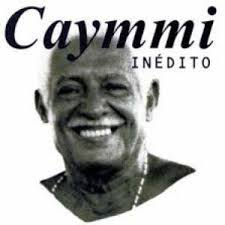
 View Artist