Song Meaning
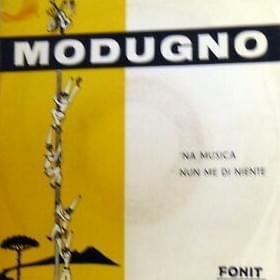
Domenico Modugno's "Nun me dì niente" isn't just a song; it's a masterclass in emotional restraint, a whispered confession set against the backdrop of a Neapolitan homecoming. The opening lines paint a scene thick with anticipation: a familiar footstep on the stairs, a door creaking open, a scent, a voice. It's her. The listener is immediately thrust into a moment of profound, almost unbearable, intimacy. The lyrics analysis reveals a core of vulnerability. The repeated phrase "Nun me dì niente" (Don't tell me anything) speaks volumes. It's a plea to preserve the fragile beauty of the moment, to avoid shattering the illusion with explanations or recriminations. There's an acknowledgment of past "turmiento" (torment), suggesting a history of pain and separation. He fears that words will only resurrect that suffering. He wants to believe in the 'now' and not in any future promises. This isn't naive optimism; it's a desperate attempt to hold onto a fleeting chance at happiness.
The song meaning deepens as Modugno sings of lost love and longing. "Ammore, ammore mio perduto" (My lost love), he cries, acknowledging the time spent apart and the despair he felt. The return feels almost unreal, a dream he had given up on. This sense of disbelief underscores the fragility of the reunion. He doesn't demand answers or explanations; he simply wants to hold onto the present moment. The lyrics, rich in emotion, reveal a man aware of the precariousness of happiness, particularly after experiencing loss.
The raw emotion rises from the lines as he urges her to come into his arms, to hold him tight, and to cry with him if she needs to. This isn't just a request for physical closeness; it's an invitation to share in his vulnerability, to acknowledge the pain of the past and the uncertainty of the future. It’s an offer of mutual catharsis. The repetition of "Tu, sî proprio tu" (It's really you) emphasizes his disbelief and joy, his constant need for reassurance. Modugno’s genius lies in his ability to convey profound emotion through simple, direct language, transforming a personal moment into a universal expression of love, loss, and the enduring power of hope.
 View Artist