Song Meaning
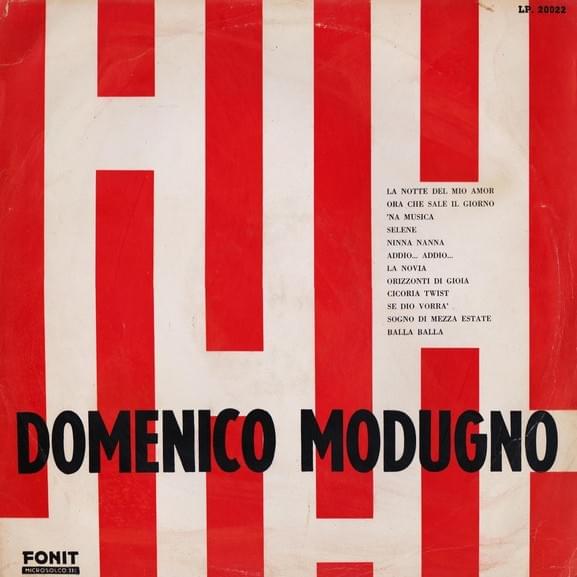
Domenico Modugno's "'Na musica" isn't just a song; it's a sonic trigger, a poignant exploration of memory and unresolved pain. The song meaning unfurls as the protagonist wanders alone through desolate, unfamiliar streets, seemingly detached and adrift. This deliberate solitude is shattered by an unexpected melody, a simple "musica" that becomes a catalyst for emotional excavation. The repetition of "'Na musica, 'na musica, 'na musica" underscores its intrusive, inescapable nature. It's not just music; it's a key unlocking a vault of repressed feelings.
The central question driving the lyrics analysis is: "Pecché chesta musica / Me porta luntano?" (Why does this music take me so far away?). This isn't a journey of joyful nostalgia. It's a forced return to a place the singer actively avoids, a space of deep sorrow he thought he had buried. The music evokes a "pena" (pain) he believed he'd forgotten. The melody acts as a time machine, dragging him back to a past he's desperately trying to escape.
The "ciento, e ciento voce / Pe' ciento strade ca vanno a mare" (hundreds and hundreds of voices / through hundreds of streets that go to the sea) paint a vivid picture of a bustling, vibrant life, yet within this cacophony, a single voice pierces through: "'Na voce, 'a voce toja / Ca chiamma ancora a me" (A voice, your voice / that still calls to me). This is the core of the song's emotional power – the lingering presence of a lost love or a significant relationship that continues to haunt the protagonist. The ultimate question, repeated with increasing vulnerability, "Pecché 'sta voglia 'e chiagnere me vene?" (Why does this desire to cry come to me?) encapsulates the raw, unresolved grief that the music has unearthed. Domenico Modugno masterfully conveys the disorienting and painful experience of being unexpectedly confronted by the ghosts of the past through the simple, yet devastating, power of a song.
 View Artist