Song Meaning
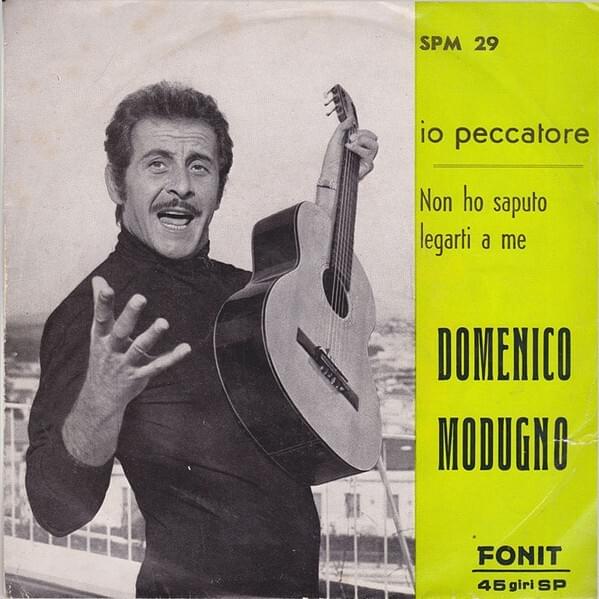
Domenico Modugno's "Io Peccatore" isn't just a plea for divine forgiveness; it's a raw, exposed nerve of a man wrestling with his past and its potential to poison his present. The title, translating to "I, Sinner," immediately sets the stage for a confession, a reckoning with past misdeeds. The lyrics are a direct address to God, acknowledging the speaker's transgressions and seeking absolution. But the core of the song meaning lies not just in the admission of sin, but in the desperate desire to protect a newfound love from the fallout of those past actions.
Modugno masterfully uses the refrain to highlight this central conflict. The speaker is willing to accept suffering as his due, a karmic debt to be paid. However, he implores God to spare his beloved from sharing that pain. The lines "Ma se il mio destino è soffrire come allor / Fa' che lei non venga a piangere con me" (But if my destiny is to suffer as before / Make sure she doesn't come to cry with me) are particularly poignant. He's willing to sacrifice the relationship itself – "Toglimi il suo amor, allontanala da me" (Take away her love, distance her from me) – if it means shielding her from the darkness he carries within.
This self-sacrificing impulse reveals a profound understanding of the potential for past trauma to contaminate the present. The speaker recognizes himself as damaged goods, a carrier of pain that could infect the purity of his love. The repetition of "Però lei, lei no, non lasciarla soffrir" (But she, she no, don't let her suffer) underscores the depth of his concern. It’s a testament to the transformative power of love, where the desire to protect another eclipses the instinct for self-preservation. "Io Peccatore" becomes, therefore, a complex exploration of guilt, redemption, and the agonizing choice between personal salvation and the well-being of someone deeply cherished.
 View Artist