Song Meaning
The narrator lays out a stark, almost transactional view of relationships and ambition, reducing them to basic elements like "lust obsession and patience" and "power money and broken dreams." There's a palpable sense of disillusionment, as trust erodes and fantasies fade, leaving behind a cynical observation: "When i'm gone, you move on." This sets a tone of weary resignation, underscored by the repeated, almost mantra-like refrain, "Cause there's a last time for everything."
The central tension arises from the narrator's apparent departure and the partner's swift adaptation. The lyrics suggest a pattern of abandonment and replacement, where the narrator's absence is met with immediate forward motion from the other person. This isn't just about a breakup; it's about a perceived lack of lasting connection, a realization that every phase, every relationship, eventually reaches its end, often abruptly and without ceremony.
The most striking image is the "footprints in the window," which introduces a flicker of hope or at least a plan for return. These aren't the marks of an intruder, but of a "friend," suggesting a deliberate, perhaps even pre-arranged, signal. This friend's presence becomes a potential "doorway" for the narrator's eventual reappearance, hinting at a future reunion or at least a planned re-entry into a situation that seems to have been left behind.
Ultimately, the effectiveness of these lyrics lies in their bluntness and the stark contrast between the jaded observations and the subtle hint of a planned return. The repetition of the core phrase hammers home a sense of finality, yet the specific image of the "footprints" injects a narrative thread of anticipation. It’s this tension between endings and potential new beginnings, framed by a world of fading trust and broken dreams, that gives the song its resonant, melancholic power.
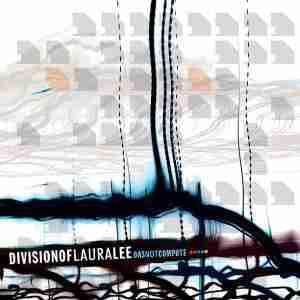
 View Artist