Song Meaning
The lyrics paint a picture of a final, inescapable destination, a point of no return. The narrator describes a place where "all streets end," a concept that feels both intimate and desolate. There's an immediate sense of urgency, a push to "keep up" and "stay," yet this is immediately undercut by the narrator's own intention to "turn around and walk away." This creates a palpable tension between the desire for connection and the impulse for departure.
The central conflict seems to revolve around a relationship reaching its absolute limit. The repeated phrase "Don't stop keep up and then stay" acts as a plea or an instruction, but the narrator's subsequent actions – "walk away," "turn around and it's set," and "I'm leaving" – reveal a predetermined exit. The imagery of burning "like the sun" and the instinct to "turn around and run" after a single touch suggests a volatile, perhaps destructive, intensity that the narrator feels compelled to escape.
The most striking craft element is the juxtaposition of invitations and rejections. The narrator offers a place to "stay" but immediately plans to leave it. They acknowledge a shared location "where all streets end" but frame it as a point of finality and separation. This creates a disorienting effect, making the listener question the nature of this shared space and the narrator's true intentions. The instruction to "Take it easy, love" feels ironic given the implied emotional turmoil and the definitive act of leaving.
Ultimately, the effectiveness of these lyrics lies in their stark portrayal of an ending. The language is direct and unadorned, creating a sense of inevitability. The repeated motif of "where all streets end" functions as a powerful metaphor for a relationship or a phase of life that has reached its conclusion, leaving the listener with a lingering sense of finality and the bittersweet sting of departure.
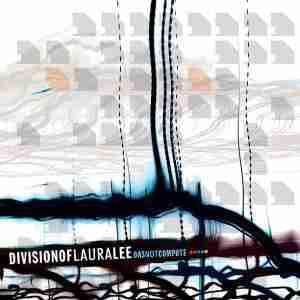
 View Artist