Song Meaning
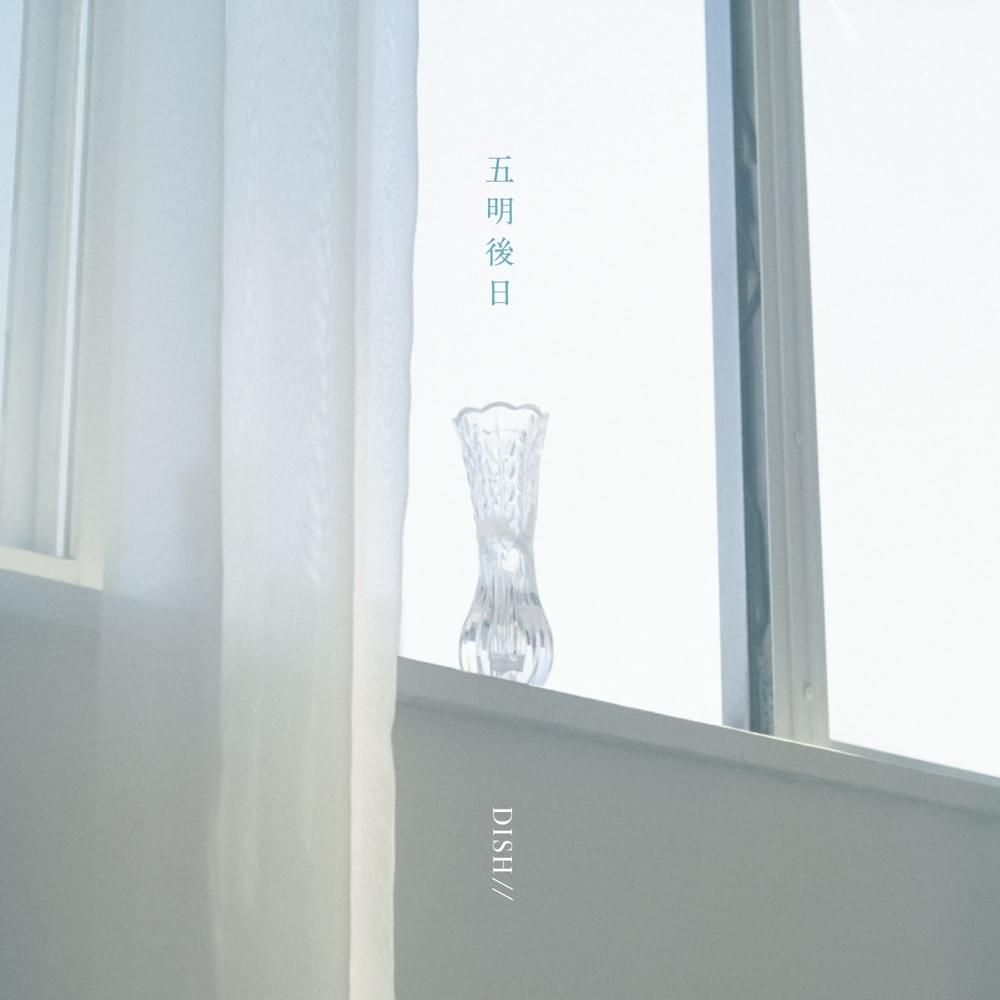
The lyrics paint a picture of deep regret and self-loathing, framed by a failed attempt at communication. The narrator starts by admitting to giving up, sighing, and closing the curtains, a literal and metaphorical withdrawal from the world. This isolation is amplified by the act of writing a letter to someone, yet filling it with uncharacteristic words, suggesting a struggle to express true feelings or perhaps a desperate attempt to push them away. The dominant tone is one of sorrow and self-recrimination, underscored by the narrator's admission, "I hate myself."
The central tension arises from the narrator's destructive actions and their subsequent realization of what they've lost. They confess to causing pain, "I made it rain on you," and being unable to offer comfort, "couldn't even hold out an umbrella." This is followed by harsh, untrue words, "You don't have to come anymore," revealing a deep-seated self-punishment. The narrator's internal conflict is clear: they pushed someone away with cruel words, only to immediately regret it and acknowledge their own self-hatred.
A striking element is the recurring motif of time and the cyclical nature of life contrasted with finality. The repeated phrase "Today, tomorrow, the day after tomorrow, the day after that" initially seems to promise continuity and future hope, especially when paired with "Thank you" and "I love you." However, this is later juxtaposed with the realization that "there won't be a next time" for a blooming flower, implying a finite end to a relationship or life itself. This creates a poignant tension between the desire for enduring connection and the acceptance of inevitable separation.
Ultimately, the effectiveness of these lyrics lies in their raw emotional honesty and the specific, relatable imagery of failed connection. The narrator's journey from despair and self-sabotage to a fragile acceptance and enduring love, even in absence, resonates deeply. The repeated expressions of gratitude and love, even after admitting to causing pain, highlight a profound, albeit belated, understanding of what truly matters. The final "See you again" offers a glimmer of peace, suggesting a hope for reunion beyond the present pain.
 View Artist