Song Meaning
The lyrics paint a disorienting picture of ambition and its messy, often absurd, consequences. The opening lines immediately throw the listener into a strange, almost violent mental space, suggesting a forceful imposition of ideas rather than organic thought. The narrator seems to be navigating a world where reality is fluid and easily manipulated, where simple actions like tracking mud can become significant, and where deception is a constant threat. This sets a tone of unease, hinting that the pursuit of something grand might involve a descent into chaos.
There's a palpable tension between the mundane and the grand, the stolen and the celebrated. The image of "oriental rock of the colonialist" being taken for a street parade or a "magic carpet ride" suggests a subversion of power structures, a reclaiming of exoticized elements for a more accessible, perhaps even frivolous, purpose. Yet, this act of appropriation is juxtaposed with the idea of "burning the midnight oil" so intensely it benefits the powerful, implying that even revolutionary acts can be co-opted or ultimately serve the status quo. The lyrics hint at a struggle where the fruits of labor are often rerouted to those already in control.
The writing uses striking, often jarring imagery to convey this sense of fractured reality and ambition. The "bamboo casket" and "basket of good will" create a stark contrast, while the "talking breakfast full of shit blues" offers a surreal, almost Dadaist critique of superficiality. The narrator's own situation is described with potent, earthy metaphors: "grease on my hand like Arab oil" and "plants my seeds in arid soil," which powerfully convey a sense of dirty labor and difficult, unpromising conditions. This gritty self-description grounds the abstract ambitions in a harsh, tangible reality.
Ultimately, the effectiveness of these lyrics lies in their refusal to offer easy answers or clear narratives. The repeated refrain, "If you can imagine it, imagine it," acts as both an encouragement and a warning, suggesting that the power of imagination is immense but also potentially dangerous when untethered from reality or ethical grounding. The final promise, "But I'll look after you," offers a sliver of connection amidst the confusion, a personal anchor in a world that feels increasingly surreal and exploitative. The writing forces the listener to confront the disquieting gap between aspiration and its often-unforeseen, messy outcomes.
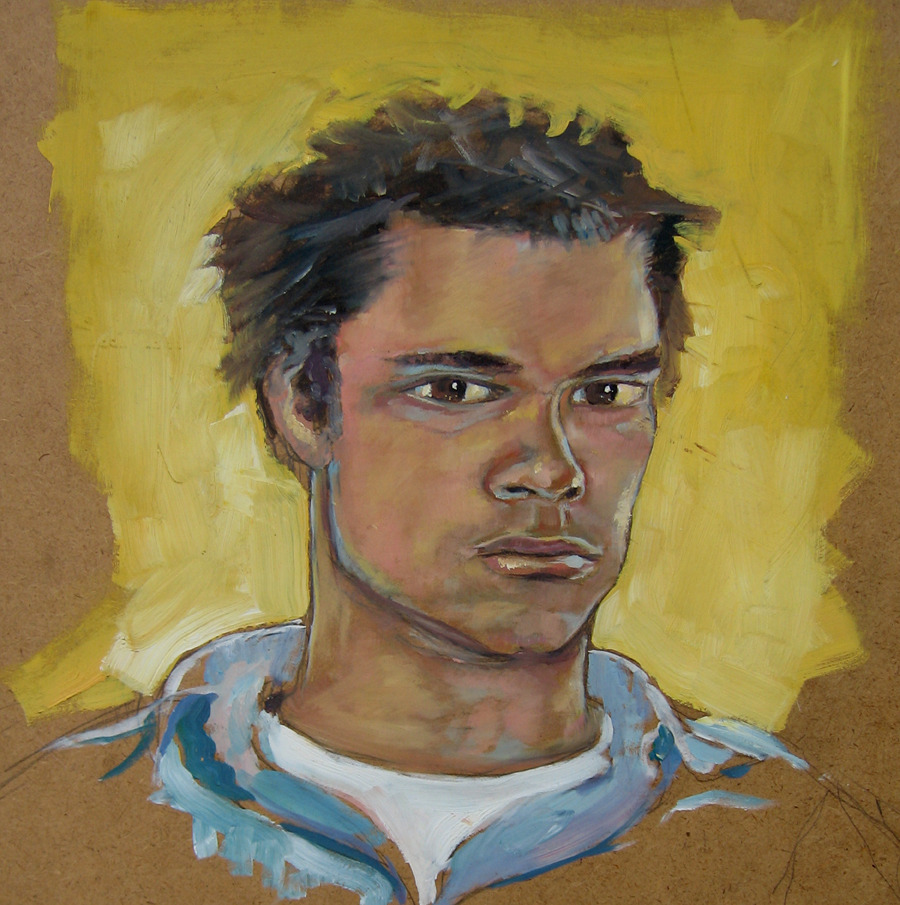
 View Artist