Song Meaning
The lyrics open with a vivid image of a narrator intently searching, "squinting westward" at sunset with navigation tools. A "point of light" is spotted, but it's "too invisible" for the unaided eye. This immediately establishes a sense of elusive discovery and the challenge of perception. The scene feels like a quest, driven by a subtle, almost hidden objective.
A stark contrast emerges between the narrator's solitary quest and the "people yellin'" on the shore. These onlookers seem grounded, "aware their position" within a defined "grid," and notably "unconcerned with intuition." This suggests a tension between structured, rational understanding and the narrator's more abstract pursuit. The lyrics imply a profound lack of external support, stating "never be no sympathy" from a "wilderness" that needs to be "arrested."
The invocation "Swing lo, oh, Magellan" is a powerful craft choice, directly linking the narrator's journey to a historical figure synonymous with ambitious, perilous exploration. This historical echo elevates the personal search to something epic. The subsequent command, "Post a sentinel at the border of what you attempt, what you ignore," functions as a sharp, almost philosophical instruction. It urges a conscious awareness of both chosen paths and overlooked possibilities, framing the quest as an internal as much as external navigation.
The lyrics culminate in a profound internal shift, making them deeply effective. After the grand allusions and calls to vigilance, the narrator confronts their "frame in a pool of light." This moment of self-reflection, perhaps a realization of the elusive "point of light," leads not to triumph but to being "drowned in doubt and shame." The final, devastating admission, "I knew that I had lost my sight," powerfully undercuts the initial navigational certainty, revealing the true cost of such an ambitious, solitary pursuit.
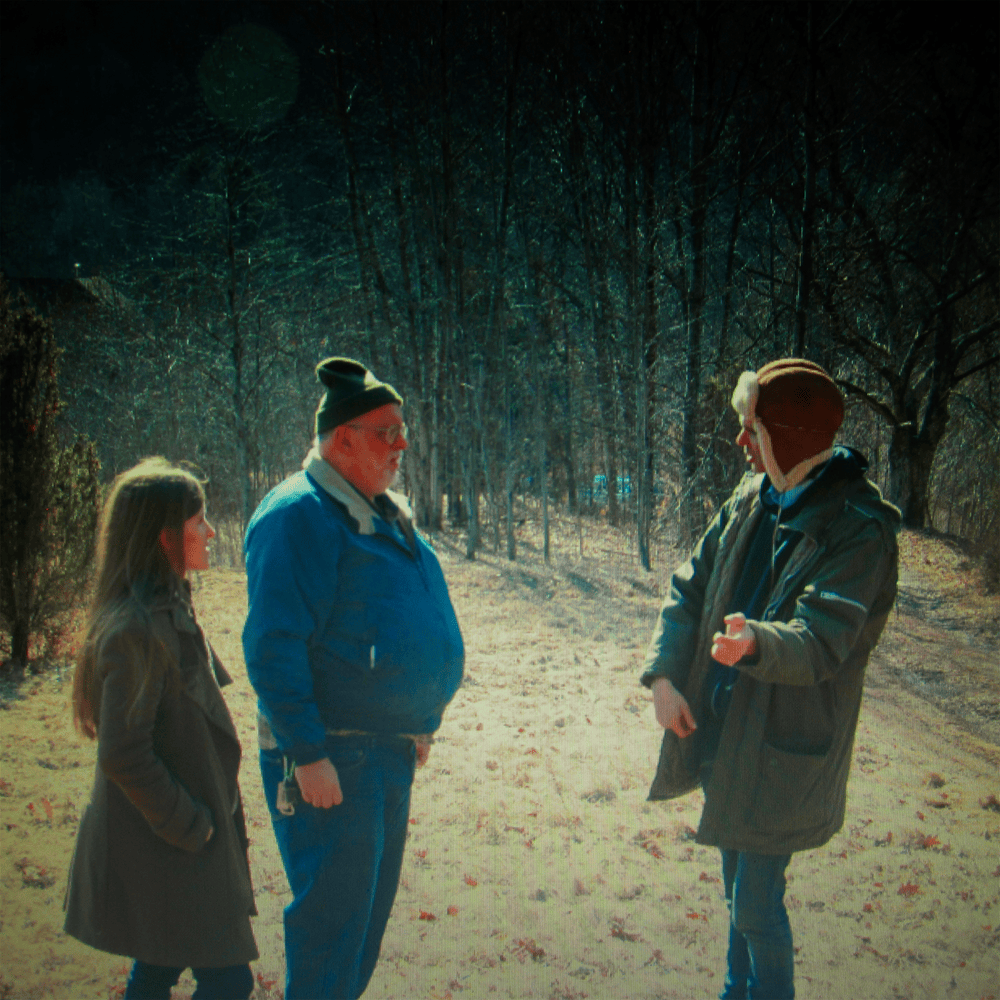
 View Artist