Song Meaning
The lyrics paint a visceral picture of a descent into a chaotic, overwhelming state, signaled by the repeated phrase "Kekkan kake-meguri nouten yaburu" which suggests a breakdown or rupture. The dominant tone is one of grim resignation and defiance against perceived injustice or hypocrisy. The narrator seems to be experiencing a violent internal or external collapse, where the "sound of destruction" ("houkai no oto") relentlessly pulls them down.
The central tension arises from a rejection of external norms and a confrontation with a corrupted self. The line "Erabu no wa dare demonaku tare ochiru / Yogore kitta ore no bi" implies a loss of agency, a fall into a "dirty" existence not by choice but by circumstance. This is further amplified by the questioning of others' "way of life" ("ikikata"), particularly a "master of fake crying" ("Naki mane jouzuna omae"), suggesting a deep disillusionment with superficiality and false displays of emotion.
The most striking element is the stark juxtaposition of the Japanese lyrics with the English refrain "Doom And Gloom / Welcome to The Inferno." This creates a powerful sense of inescapable despair, framing the personal breakdown within a universalized hell. The repetition of "Doom And Gloom" acts like a mantra, reinforcing the feeling of being trapped in a bleak reality, while "The Inferno" serves as a definitive, almost welcoming, label for this state of being.
Ultimately, the effectiveness of these lyrics lies in their raw, unflinching portrayal of a psychological or existential crisis. The fragmented imagery and the stark contrast between the internal struggle and the external pronouncements of doom create an intense, almost claustrophobic atmosphere. It’s not about finding a way out, but about acknowledging and perhaps even embracing the descent into a personal hell, making the experience feel both alienating and disturbingly immediate.
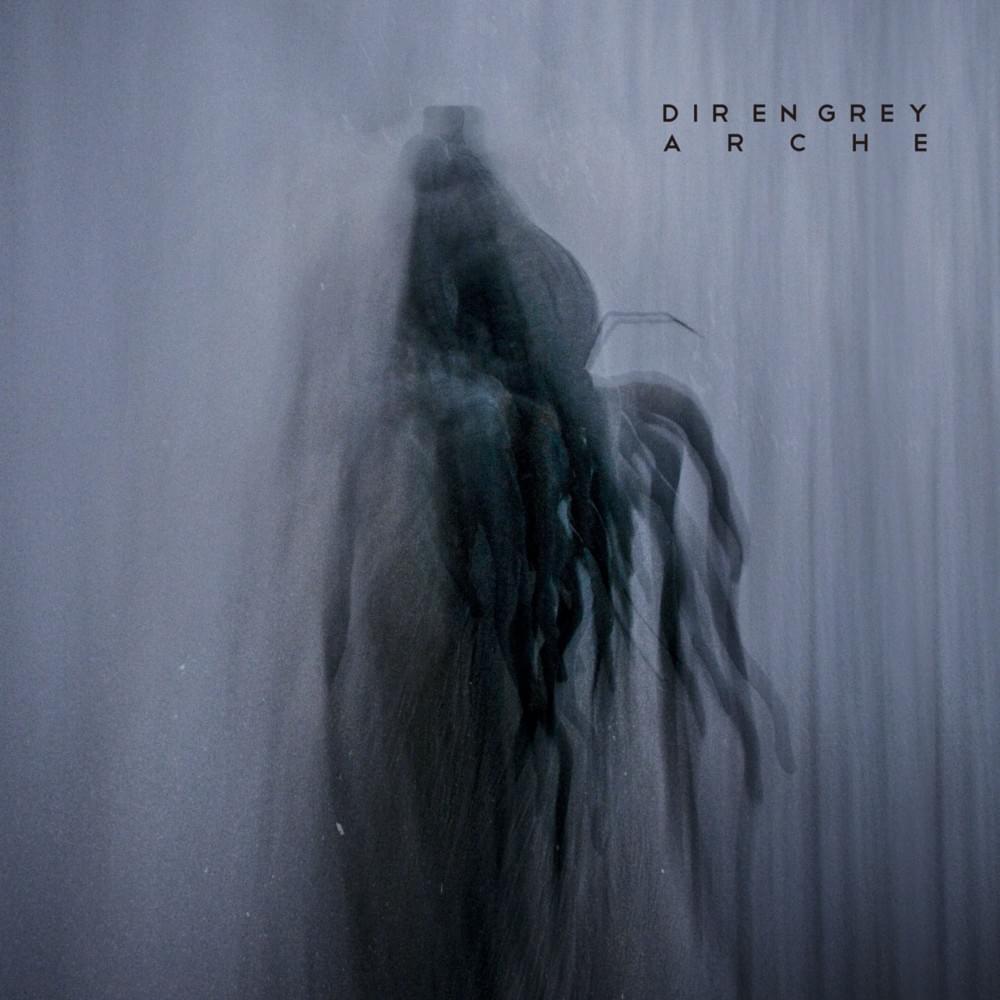
 View Artist