Song Meaning
The lyrics paint a stark picture of existential despair, beginning with a narrator fixated on dissolving intentions and a left hand that cannot form words. This fixation on decay and inability to express leads to a grim discovery: each instance of bleeding, a visceral sign of life, paradoxically reveals the reason for living, yet the words found are fleeting and vivid, like a dying flame. The dominant tone is one of profound disillusionment, where even cherished people and the very meaning of life are perceived as transient, beautiful but ultimately empty blossoms.
The central tension arises from the narrator's struggle with self-destruction as a perverse affirmation of existence. The line "Suicide is the proof of life" is a jarring declaration, suggesting that the ultimate act of ending life is, in their mind, the only way to definitively prove they were alive. This self-destructive impulse is further emphasized by the imagery of "deep prison heart" and being a "self-abusive loser who can't touch tomorrow," highlighting a sense of inescapable internal torment and a future that feels irrevocably lost.
The craft here is in the stark, almost clinical presentation of intense emotional pain. The repetition of "In my hands" anchors the listener to the narrator's immediate, tangible reality, contrasting with the abstract nature of their despair. The phrase "empty blossoms" appears twice, reinforcing the theme of beautiful but ultimately meaningless existence. The shift from Japanese to English, particularly with the stark "So I can't live" and "Let's put an end... The Final," amplifies the sense of finality and the narrator's perceived inability to escape their fate, as lost things "can no longer be born."
This writing is effective because it confronts the listener with a raw, unflinching perspective on the fragility of life and the search for meaning in its perceived absence. The lyrics don't offer comfort or easy answers; instead, they present a brutal honesty about the pain of existence and the desperate, contradictory impulses that can arise from it. The final, almost hopeful, image of a "Let's bloom the unfulfilled bud" offers a sliver of ambiguity, a potential for something new emerging from the ashes of despair, though its placement after such bleak pronouncements leaves its true meaning open to interpretation.
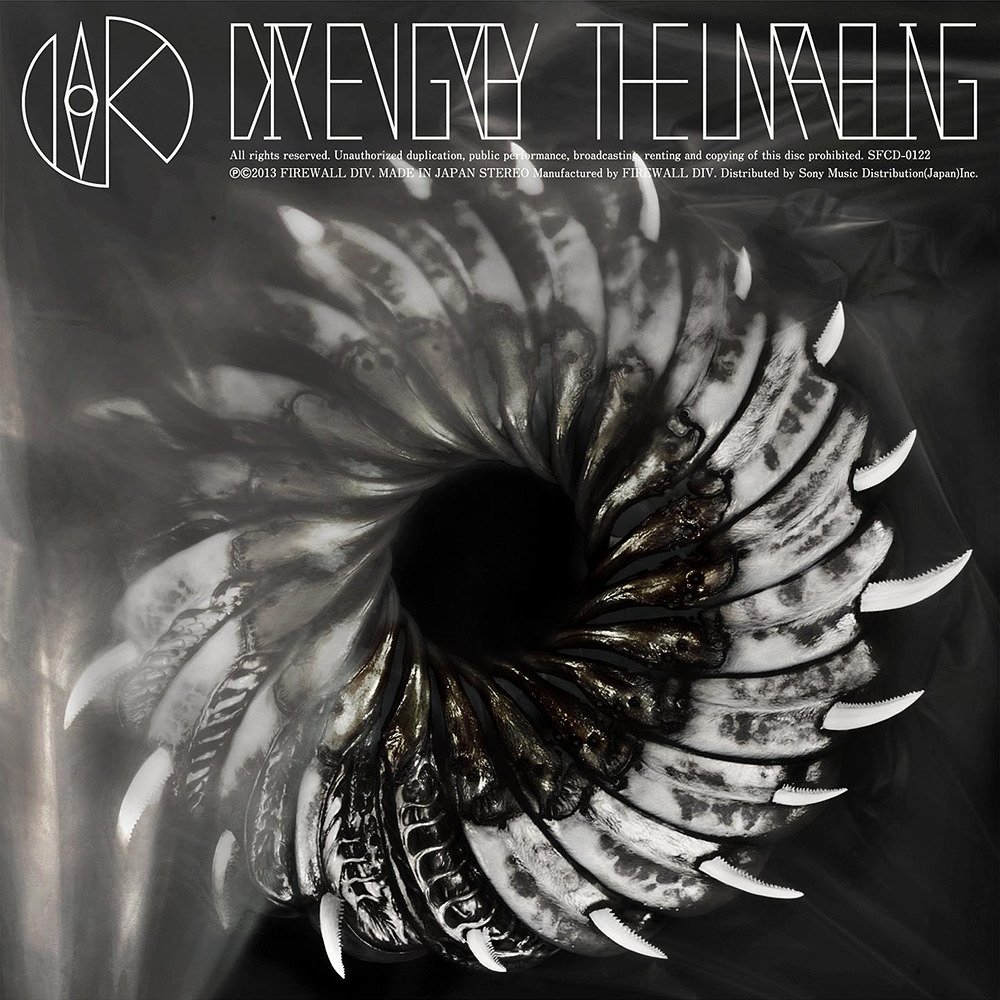
 View Artist