Song Meaning
The lyrics open with a stark contrast: a deceptively calm morning that quickly reveals a pool of blood, jolting the narrator awake. This immediate juxtaposition sets a tone of unease, suggesting that beneath a placid surface lies a disturbing reality.
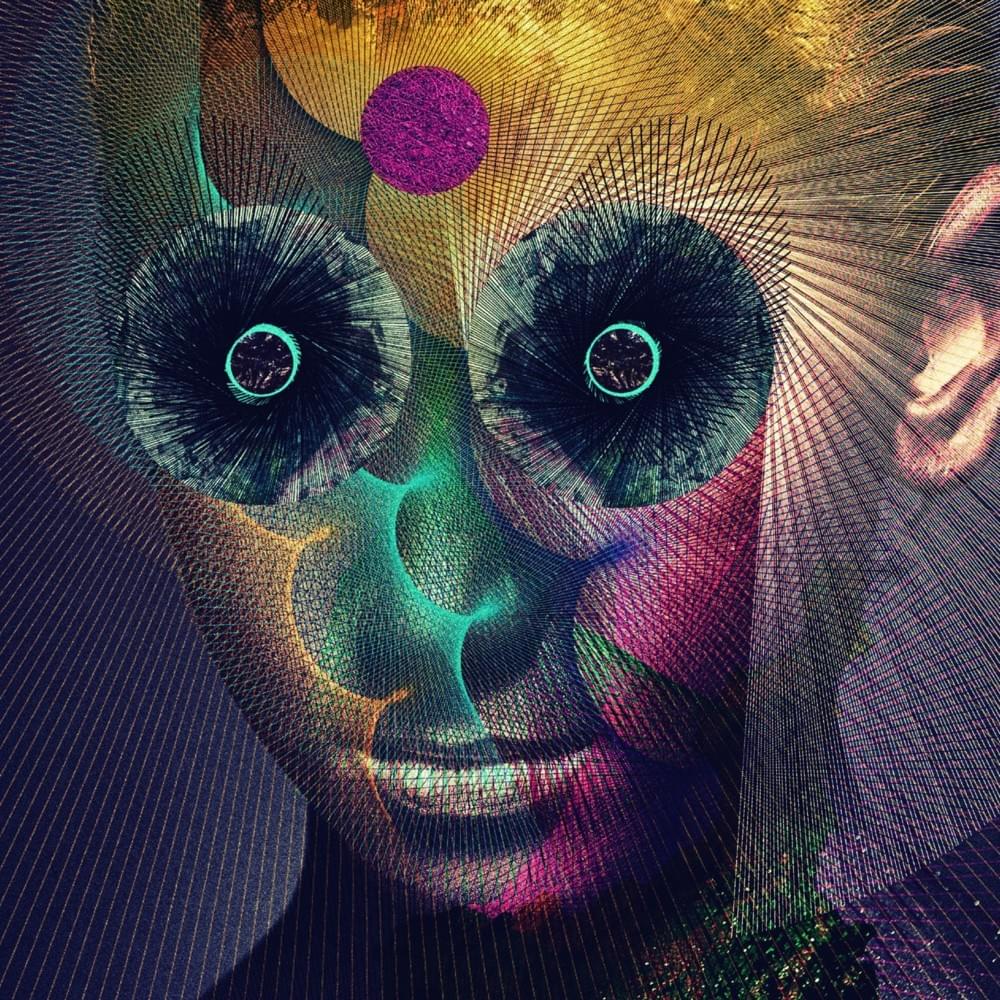
The central conflict appears to be an inability to reconcile past trauma, described as "young memories still won't forgive." This unresolved pain manifests in two opposing ways: a hysterical laughter and mocking laughter, and a desperate, tearful scream. Both are directed at the "good-faced" persona, questioning whether this facade hides cold or deranged eyes.
The writing crafts a potent image of insatiable hunger: "bottomless hunger." This internal void drives a sense of aimless falling, with the narrator questioning where to descend. The lyrics suggest this destructive impulse is contagious, infecting others who then sing a particular "poem," implying a shared, perhaps inherited, despair.
Ultimately, the effectiveness lies in the raw, visceral depiction of internal conflict. The repeated questioning of the "good-faced" individual and their "eyes" creates a powerful sense of accusation and self-interrogation. The final lines, "Don't you want to turn your eyes? / Do you want to lie even so? / Such a good person, who would want that?" leave the listener with a chilling question about the cost of maintaining a false appearance in the face of deep-seated pain.
 View Artist