Song Meaning
The lyrics paint a stark picture of a relationship or shared experience that has devolved into something violent and grotesque. The initial imagery of a peaceful, manipulated face gives way to a scene where shared memories are now "blood-stained," set against the backdrop of a cicada-filled dusk. This immediate contrast between past serenity and present horror establishes a deeply unsettling tone, suggesting a profound betrayal or corruption of what once was.
The central tension seems to revolve around a forced, almost ritualistic embrace of destruction. The narrator urges a companion to "shout my name" while "hands held, scattering wildly," and to "face to face, moonlight peeks." This is juxtaposed with a disturbing "three cheers for the innocent you tonight," implying a perverse celebration of innocence lost or corrupted. The act of moving forward, perhaps towards an inevitable end, is described with a chilling nonchalance: "on the mountain path, with a trash bag / humming a tune."
A striking element is the recurring phrase "Don't look down, it's better not to." This warning, repeated amidst scenes of violent dispersal and self-hatred ("I hate me / I can't love forgiving"), suggests a deliberate avoidance of confronting the horrific reality or the consequences of their actions. The lyrics also highlight a suffocating intellectual or ideological entrapment: "ideas tied up in knots," and a cynical view of relationships where "lies spread their legs and we laugh together."
This writing is effective because it uses visceral, often contradictory imagery to convey a sense of profound disillusionment and self-loathing. The juxtaposition of tender actions like holding hands with violent outcomes like scattering wildly, and the dark humor in humming while carrying a trash bag, creates a disorienting emotional landscape. The repeated warnings to avoid looking down amplify the feeling of being trapped in a situation that is too terrible to face directly, making the narrator's internal torment palpable.
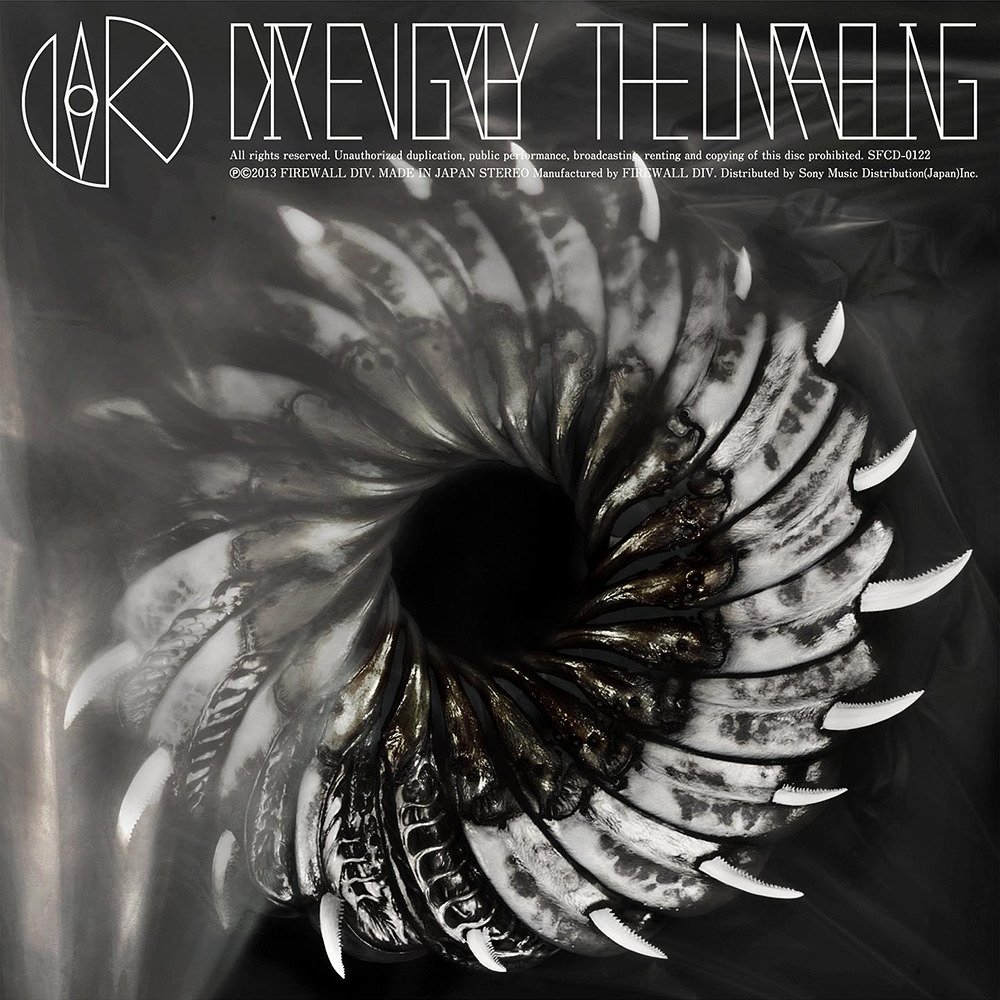
 View Artist