Song Meaning
The lyrics paint a vivid picture of emotional turmoil, centering on a heart that's wounded and unable to heal, fading like a forgotten memory. Love itself is depicted as collapsing, yet paradoxically blooming wildly amidst the decay, like a flower in disarray. This creates an immediate sense of beautiful destruction, a core tension that defines the song's emotional landscape.
The central conflict arises from a perceived betrayal or shift in a relationship, marked by the line "Ever since that day I started to stray towards him, for some reason my heart rejected him." This suggests a deep internal struggle where the narrator's feelings are at odds with their actions or external circumstances. The presence of "him" and a past "you" ("my beloved 'you' I can't forget") hints at a complex emotional entanglement, possibly involving infidelity or a lingering attachment to someone else.
A striking image is the transformation of "his" form, described as "deforming" while simultaneously being "too far and too close." This unsettling distortion reflects the narrator's fractured perception of the person they are with, a visual metaphor for the breakdown of intimacy and trust. The idea of wearing a "mask" to hide a "twitching face" further emphasizes a desperate attempt to maintain a facade, to conceal the internal pain and the unraveling of their true feelings.
The repeated motif of a "poison flower" blooming and then "blooming again" is particularly potent. It suggests a beauty born from corruption and pain, a defiant act of self-expression even as the self is decaying. The narrator declares, "I'll bloom like a poison flower, and then become a flower that blooms again," indicating a desire for resilience and a transformed, perhaps dangerous, rebirth. This cyclical imagery of decay and regrowth, of pain leading to a fierce, albeit toxic, beauty, is what makes these lyrics so compelling and resonant.
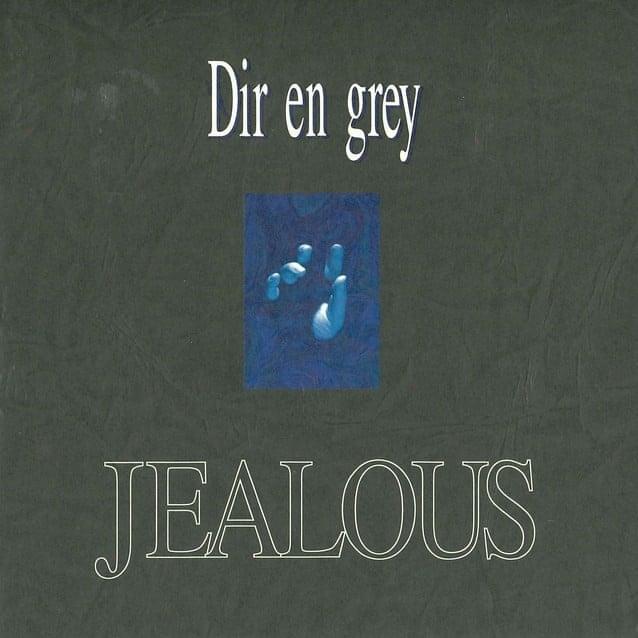
 View Artist