Song Meaning
The lyrics paint a stark picture of a future devoid of love, a 'dream-shaped tomorrow without love.' The narrator contemplates escaping this bleak reality, perhaps through a radical transformation, symbolized by 'shedding skin into the open sea.' There's a palpable sense of disillusionment, where even sweetness is overshadowed by bitterness, and the act of biting into a tomato feels like a desperate, almost violent, assertion of existence against a suffocating present. The phrase 'a knife piercing sweetness' becomes a recurring motif, suggesting that pleasure itself is tainted or weaponized.
The central tension seems to revolve around a profound inability to connect or love, described as 'conjoined twins who cannot love each other.' This internal conflict fuels a desperate, almost nihilistic, plea for survival, encapsulated in the repeated 'Pray for myself tomorrow.' The narrator grapples with a 'wilted everyday life,' seeking an escape through unlocked doors, yet questioning the very nature of this struggle with 'the melancholy of physics that cannot be eaten.' The repetition of 'No more no' acts as a defiant rejection of this state, a desperate attempt to break free from a cycle of despair.
A striking element is the juxtaposition of profound existential dread with mundane or even perverse imagery. The 'knife piercing sweetness' reappears, now linked to a disturbing image of a 'Dutch wife' and 'mutual love,' suggesting a hollow, artificial substitute for genuine connection. This contrast highlights the narrator's profound alienation, where even simulated intimacy offers no solace. The 'sunlight and fallen eyelids' in the recurring 'When will the wind speak?' line creates a powerful image of weariness and a longing for a truth that remains elusive, obscured by a heavy, almost oppressive, sense of fatigue.
Ultimately, these lyrics resonate through their raw portrayal of despair and the desperate, almost futile, search for meaning in a world that feels fundamentally broken. The writing crafts a sense of suffocating ennui, punctuated by sharp, violent images that underscore the narrator's internal turmoil. The repeated calls to 'Pray for myself tomorrow' and the final, bleak farewell, 'Farewell, from death that blooms flowers,' leave the listener with a lingering sense of profound loss and the chilling realization of a future where even hope feels like a cruel illusion.
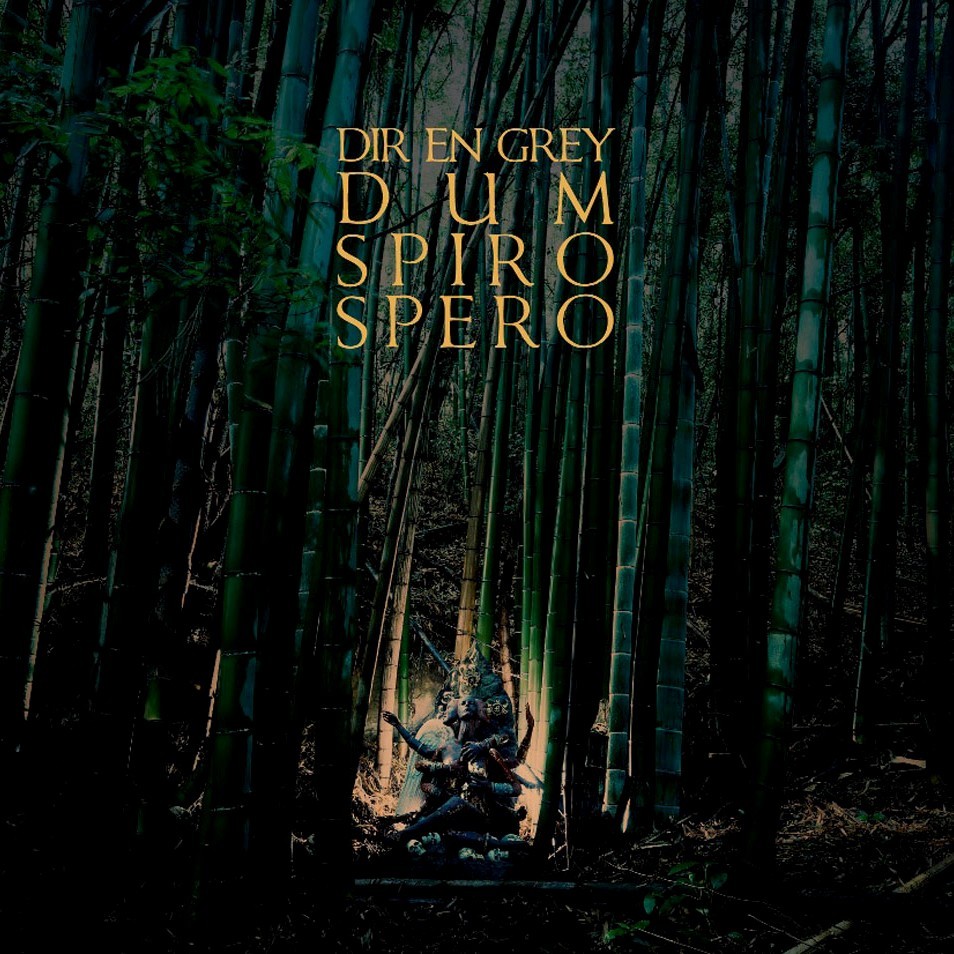
 View Artist