Song Meaning
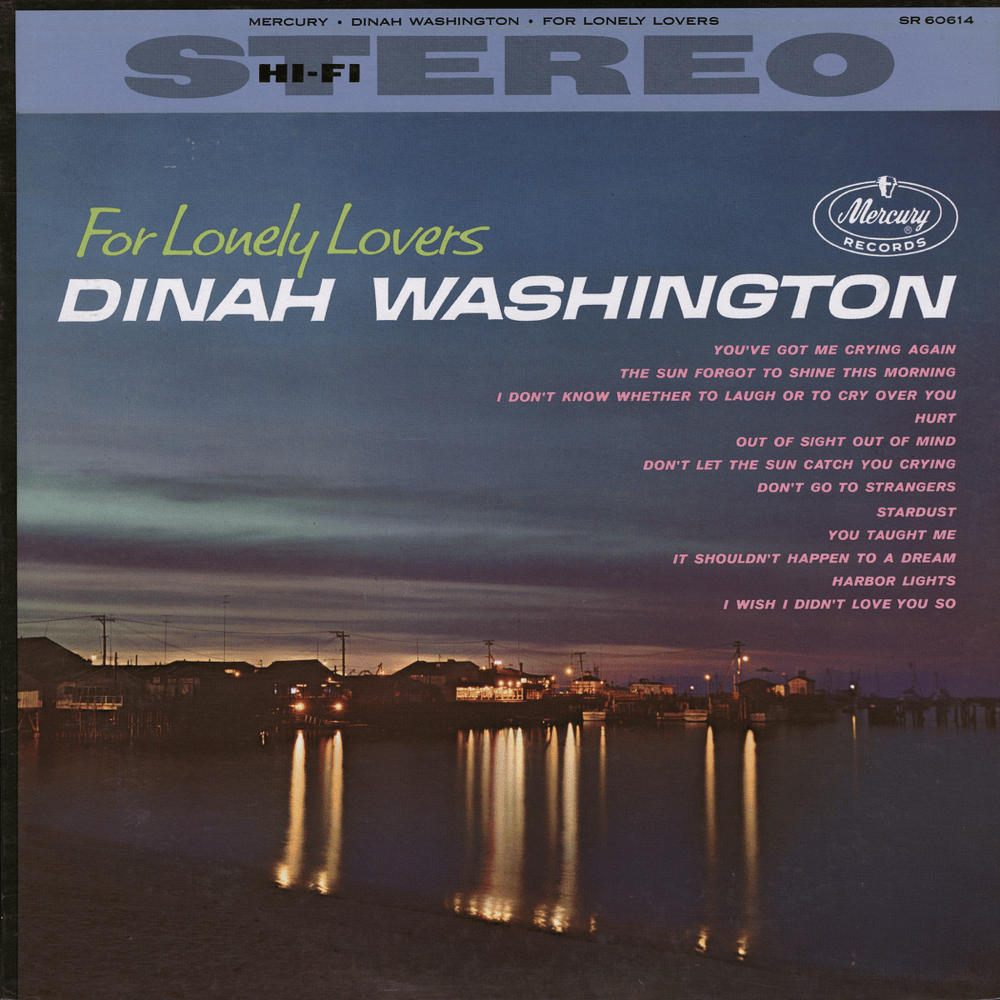
Dinah Washington's "You've Got Me Crying Again" isn't just a lament; it's a masterclass in the emotional whiplash of toxic love. The song's deceptive simplicity, built upon a foundation of classic jazz heartbreak, belies a sophisticated understanding of attachment and betrayal. Washington doesn't just sing about sadness; she embodies the cyclical nature of a relationship built on superficiality. The core of the song meaning resides in that agonizing push and pull – "I'm in then I'm out" – a concise depiction of the uncertainty and anxiety inflicted by a partner who withholds genuine emotional investment. It’s a scenario all too familiar: the fleeting high of manufactured affection followed by the inevitable crash of abandonment.
That central line, "Your kisses right from the start / Came from your lips not your heart," is the song's devastating revelation. It's the moment of clarity when the protagonist recognizes the performative nature of her lover's affection. This isn't a story of simple heartbreak; it's about the insidious realization that the connection was never real to begin with. The pain isn't just from the loss, but from the deep-seated feeling of being used, of having one's emotional vulnerability exploited for fleeting pleasure. The speed with which the lover moves on – "Somebody new looks good to you" – only deepens the wound, confirming the disposability the singer feels.
Ultimately, "You've Got Me Crying Again" is a raw and honest portrayal of emotional manipulation. It's a stark reminder that words and actions, especially in the realm of love, must be aligned. Washington's performance elevates the song beyond a simple torch song; it becomes a powerful indictment of those who prioritize physical intimacy over genuine emotional connection, leaving their partners to grapple with the wreckage of unfulfilled promises and shattered illusions. The repeated phrase "crying for you" underscores not just sadness, but a desperate longing for the authentic love that was so cruelly withheld. The song's staying power rests in its unflinching portrayal of this emotionally draining dynamic.
 View Artist