Song Meaning
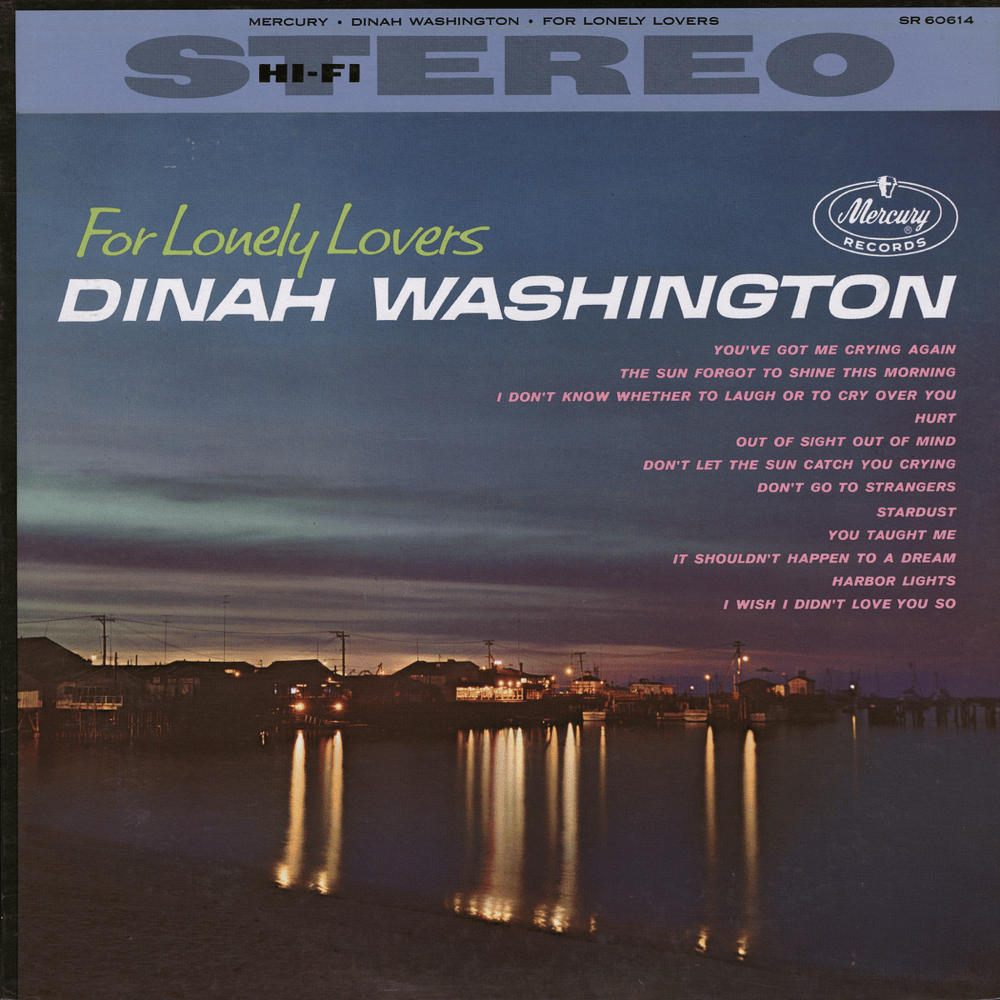
Dinah Washington's rendition of "Out of Sight, Out of Mind" isn't just a lament; it's a masterclass in emotional dissonance. The song's central tension lies in the gulf between the cliché it invokes and the lived experience it portrays. While the platitude suggests a clean break, Washington's performance—and the lyrics themselves—reveal the fallacy of such easy detachment. The opening lines establish this immediately: 'Out of sight, out of mind, so the story goes.' But the following lines, dripping with heartache, make it clear that this isn't *her* story. It's a narrative she's desperately trying, and failing, to adopt. The 'broken heart' knows better, serving as a constant, painful reminder of the impossibility of simply erasing someone from existence.
The bridge offers a glimpse into the singer's internal struggle. The line 'That's what you call lookin' back' is laced with bitterness, a suggestion that her continued pining is somehow a character flaw, a failure to move on 'correctly.' She *should* forget, she *should* not care, but the heart, as she later admits, is 'blind.' This isn't a conscious choice to wallow; it's an involuntary reaction, a testament to the depth of her feelings. The subtle shift from active forgetting ('I should forget to remember') to passive remembering ('remember not to care') highlights the futility of her efforts.
The song's brilliance resides in its understanding of how grief and longing warp our perception of reality. The final repetition of 'Out of sight (Out of sight, out of sight), But not out of my mind' isn't just a restatement of the obvious; it's a haunting echo, a mantra of sorts. It's the sound of someone trapped in a loop, forever haunted by a presence that's physically absent. Washington doesn't just sing about heartbreak; she embodies the agonizing disconnect between what we know to be true and what our hearts refuse to accept. The lyrics analysis reveals a raw vulnerability, proving that some wounds resist the balm of simple sayings.
 View Artist