Song Meaning
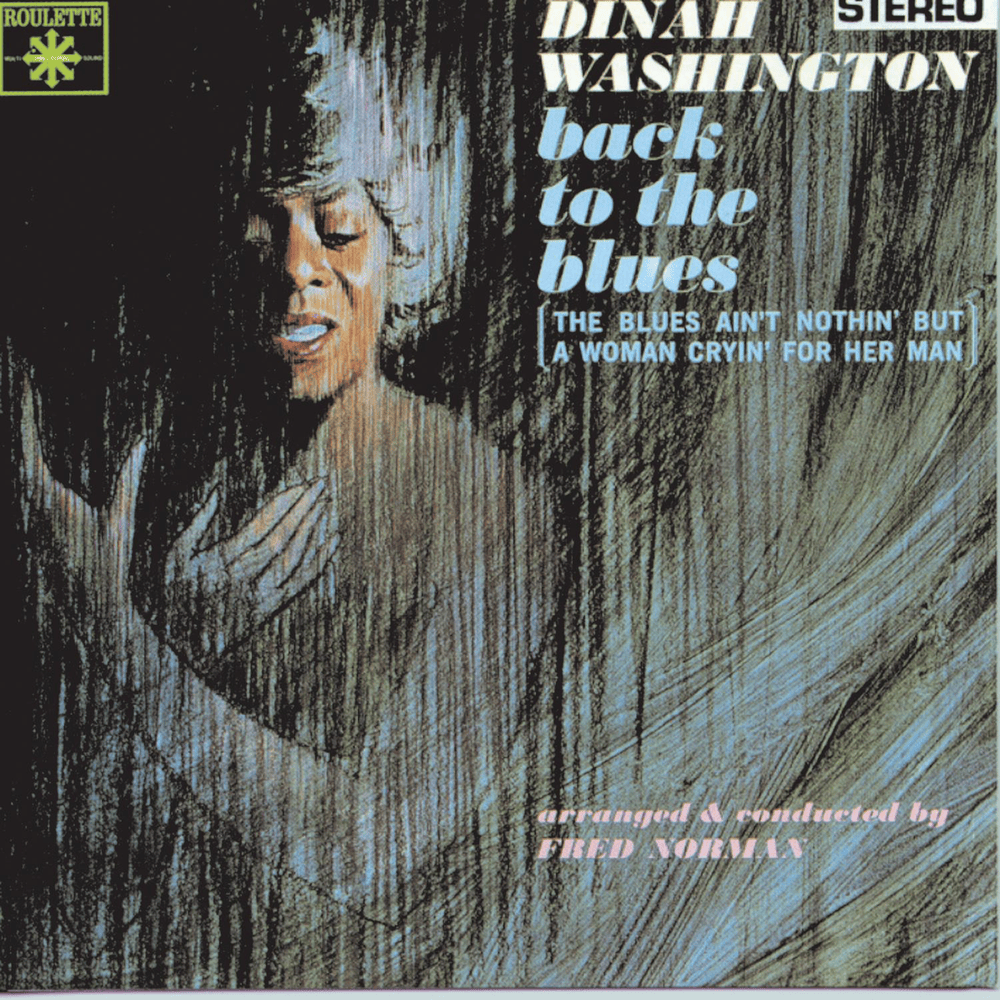
Dinah Washington's "No Hard Feelings" isn't just a kiss-off; it's a masterclass in emotional performance. The song's surface simplicity—a declaration of acceptance in the face of lost love—belies a complex undercurrent of pain and perhaps, a touch of self-deception. The repeated refrain of "no hard feelings" becomes less a statement of fact and more a mantra, a way for the singer to convince herself, and perhaps the departing lover, that she's handling the situation with grace. But the cracks appear in the insistence, the almost desperate repetition that betrays the underlying hurt. The subtle qualifier, "you may kiss me as you pass the door," exposes the vulnerability beneath the stoicism. It's a final plea for connection, a desperate attempt to hold onto the physical intimacy even as the emotional bond dissolves.
From a psychological perspective, "No Hard Feelings" resonates with the dynamics of denial and repression. The singer acknowledges the end of the relationship ("Gone is the happiness we both shared") but actively suppresses any outward display of anger or resentment. This could be interpreted as a defense mechanism, a way to protect herself from the full impact of the heartbreak. The repeated reassurance that there are "no hard feelings" might be a way of controlling the narrative, preventing the situation from escalating into a messy confrontation. She's dictating the terms of the breakup, attempting to maintain a semblance of control in a situation where she ultimately has very little.
Ultimately, the song's power lies in its ambiguity. Is it a genuine expression of forgiveness and understanding, or a carefully constructed facade masking deep-seated pain? The listener is left to decide. Washington's vocal delivery, with its blend of strength and vulnerability, only adds to the complexity. "No Hard Feelings" isn't just a breakup song; it's a poignant exploration of the human capacity for both resilience and self-deception in the face of heartbreak. It's the sound of someone trying, perhaps failing, to convince themselves that they're okay when they're anything but.
 View Artist