Song Meaning
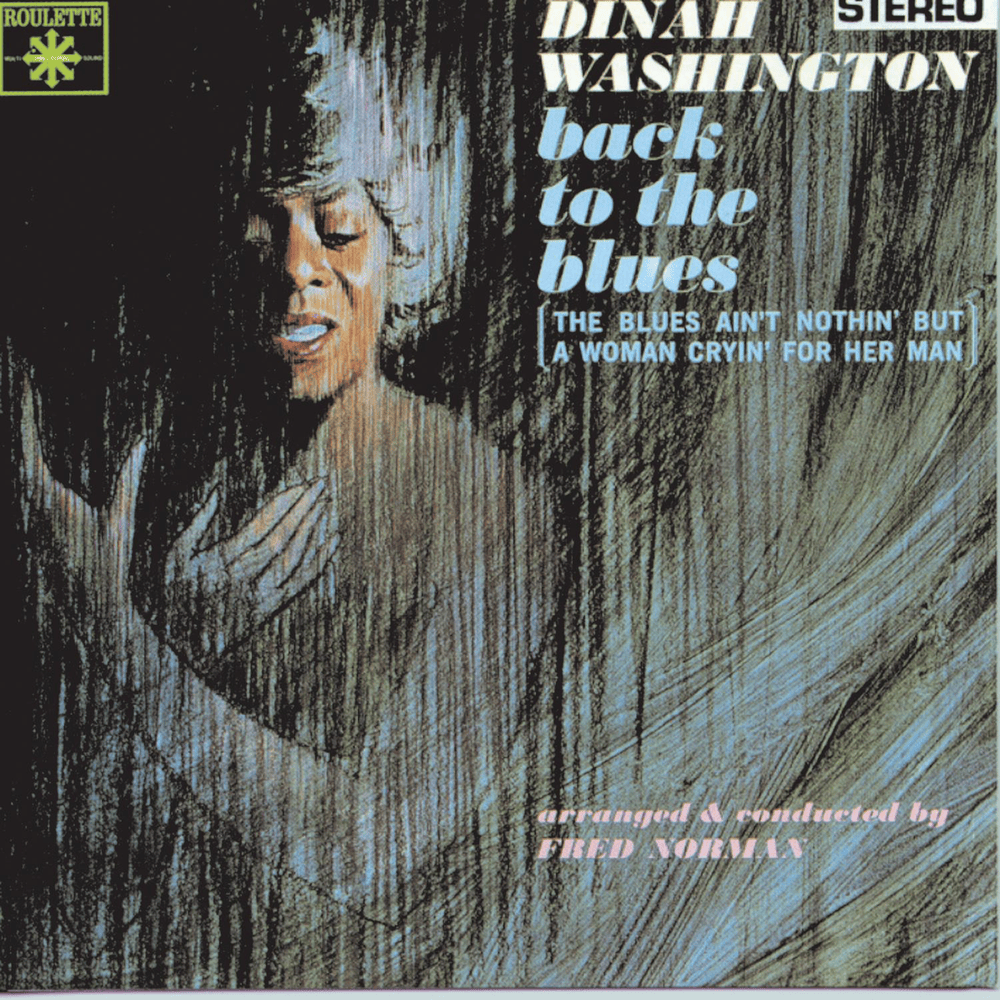
Dinah Washington, a voice steeped in the blues and burnished by life, imbues "If I Never Get to Heaven" with a complex blend of defiance and devotion. This isn't a simple gospel plea; it's a worldly woman's negotiation with fate, acknowledging earthly imperfections while clinging to the redemptive power of love. The opening lines, repeated as a mantra, establish a sense of striving, yet they're immediately softened by the subsequent declaration of having found an "angel." This angel, however, isn't the celestial being of religious iconography. He's a man, a lover, someone whose presence provides a personal heaven, a shield against the judgment of the divine. The song meaning hinges on this earthly transaction: trading conventional piety for the messy, complicated grace found in human connection.
The lyrics cleverly juxtapose spiritual aspirations with the tangible realities of a relationship. The reference to "hitting seven" and accepting "eleven once or twice" suggests a gambler's acceptance of imperfect odds, a willingness to settle for less than the ideal in matters of the heart. This reinforces the idea that the singer's "heaven" is not a distant paradise, but a present reality shaped by the flawed, yet fulfilling, relationship she's in. The angel isn't perfect either; he "builds me up, he cuts me down," painting a picture of a dynamic, sometimes challenging, but ultimately vital bond. This isn't saccharine devotion; it's the acceptance of a partner's whole self, flaws and all.
Ultimately, "If I Never Get to Heaven" is a testament to the power of finding salvation in the everyday. It's a bluesy assertion that love, even in its imperfect forms, can be enough. The repetition of the opening lines, paired with the unwavering declaration of having an angel, suggests a profound sense of contentment. Dinah Washington isn't just singing about a lover; she's singing about a conscious choice to find grace in the here and now, to prioritize earthly connection over abstract promises of eternal reward. It's a radical act of self-acceptance, delivered with the raw emotional power that only Dinah Washington could command.
 View Artist