Song Meaning
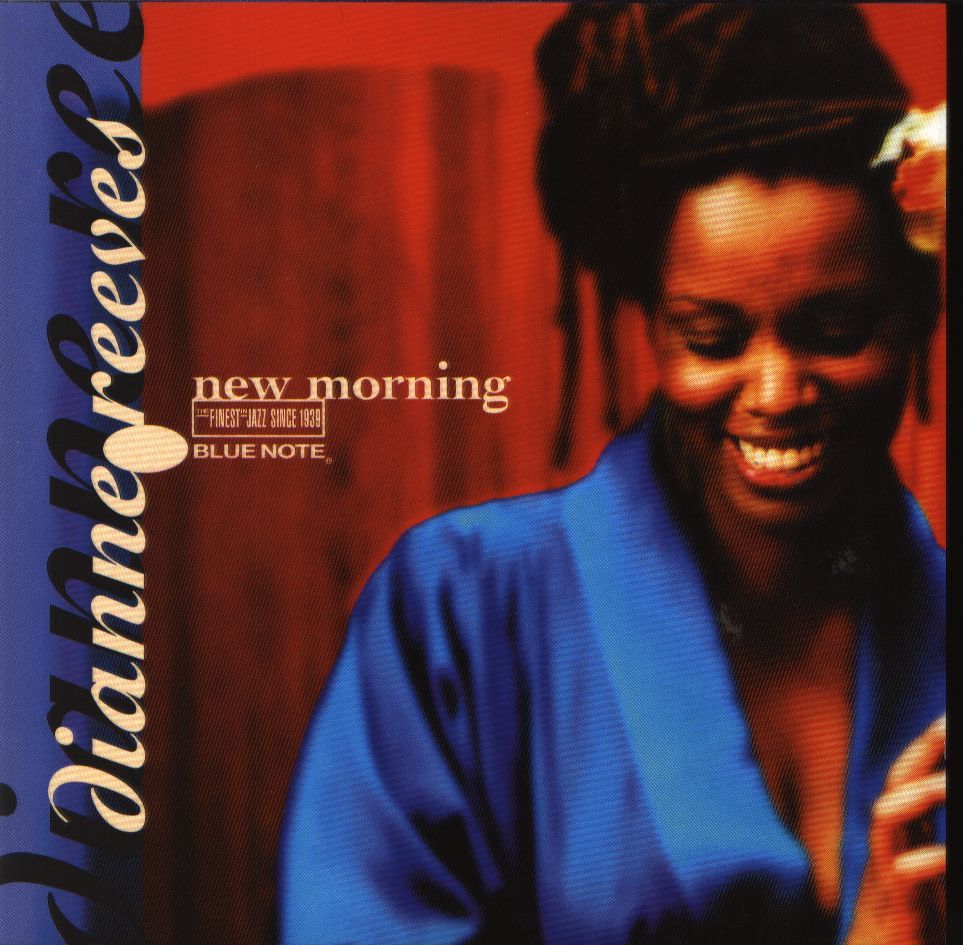
Dianne Reeves's "Old Souls" isn't just a song; it's an intimate conversation with the unseen forces that shape our journey. The lyrics paint a vivid picture of guidance arriving through unexpected channels – a smile from a stranger, a melody on the radio. These aren't mere coincidences, but whispers of wisdom carried on the wind, etched in the clouds, and resonating in the rhythm of rain. Reeves suggests that these 'old souls' act as both mentors and guardians, preparing her for a 'special place' and urging her to embrace life's challenges with unwavering dedication. There's a sense of urgency, a call to action that transcends the mundane. The repeated assertion that 'I am a curious spirit child' underscores a vulnerability, a feeling of being both lost and divinely protected.
The concept of 'old souls' extends beyond individual guides, encompassing a connection to a deeper, almost primordial wisdom. Reeves sings of their presence in the land, imbuing it with 'dignity and grace,' transforming ordinary earth into a 'sacred place.' This evokes a reverence for nature and a lament for its desecration, captured in the line 'Still I throw away the oyster just to wear the pearl.' This potent metaphor speaks to humanity's tendency to value superficial beauty over inherent worth, a self-destructive pattern that disconnects us from the very source of guidance. The acknowledgement of personal struggles ('darkest deep depression') reveals the crucial role these 'old souls' play in providing solace and restoring faith, allowing a higher power to take control.
Ultimately, the song meaning of “Old Souls” resides in its exploration of spiritual connection and the search for meaning in a chaotic world. It acknowledges the inherent human vulnerability, the feeling of being a 'curious spirit child' navigating the complexities of existence. But it also offers a powerful message of hope and resilience, suggesting that even in our darkest moments, we are surrounded by unseen forces, 'old souls' sent to guide us back home. Dianne Reeves frames this journey not as a solitary struggle, but as a shared experience, a collective remembering of our interconnectedness and our place within the grand tapestry of existence.
 View Artist