Song Meaning
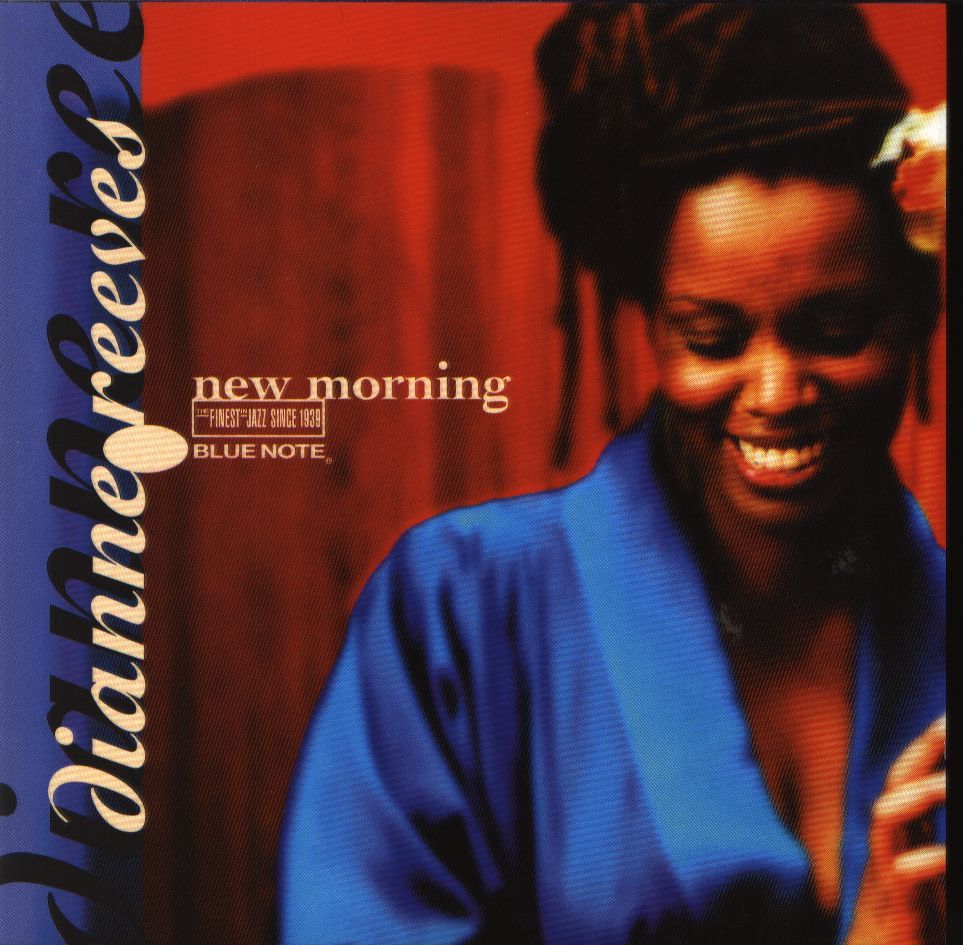
Dianne Reeves's interpretation of "Love for Sale" isn't just a song; it's a gauntlet thrown at the feet of romantic idealism. The lyrics, stark and unsentimental, dissect love as a commodity, a transaction stripped bare of its supposed purity. The phrase "Appetizing young love for sale" is delivered with a knowing cynicism, a recognition that what's being offered isn't the soul-stirring connection poets rhapsodize about, but something far more transactional and fleeting. Reeves, with her masterful control, doesn't merely sing the words; she embodies the persona of someone weathered by experience, someone who's seen love reduced to its basest elements. The haunting question, "Who will buy?" hangs in the air, a challenge to the listener to confront their own complicity in this commodification. It's a dare to admit that we, too, often seek a curated, marketable version of love, rather than the messy, unpredictable reality.
The brilliance of Reeves's rendition lies in its refusal to wallow in despair. There's a certain defiance in the performance, a reclamation of agency within a system that seeks to exploit. The lines, "I know every type of love better far than they / And if you want the thrill of love / I've been through the middle of love," suggest a hard-earned wisdom, a mastery born of surviving the very marketplace being described. It's not a celebration of selling love, but an acknowledgment of its pervasive presence, and a subtle assertion of control within that reality. The almost desperate repetition of “Love for Sale” near the song's conclusion drives home the central theme.
Ultimately, the song meaning of “Love for Sale,” particularly as interpreted by Dianne Reeves, serves as a commentary on societal expectations and the pressures that distort genuine connection. It's a stark portrayal of love stripped of its illusions, forcing us to confront the uncomfortable truth that even the most intimate of human experiences can be tainted by the forces of commerce and superficiality. The song resonates because it taps into a deep-seated anxiety about the authenticity of our relationships in an increasingly transactional world. Reeves doesn't offer easy answers or sentimental platitudes; instead, she presents a complex and unsettling portrait, leaving us to grapple with the implications of a love that's perpetually "for sale."
 View Artist