Song Meaning
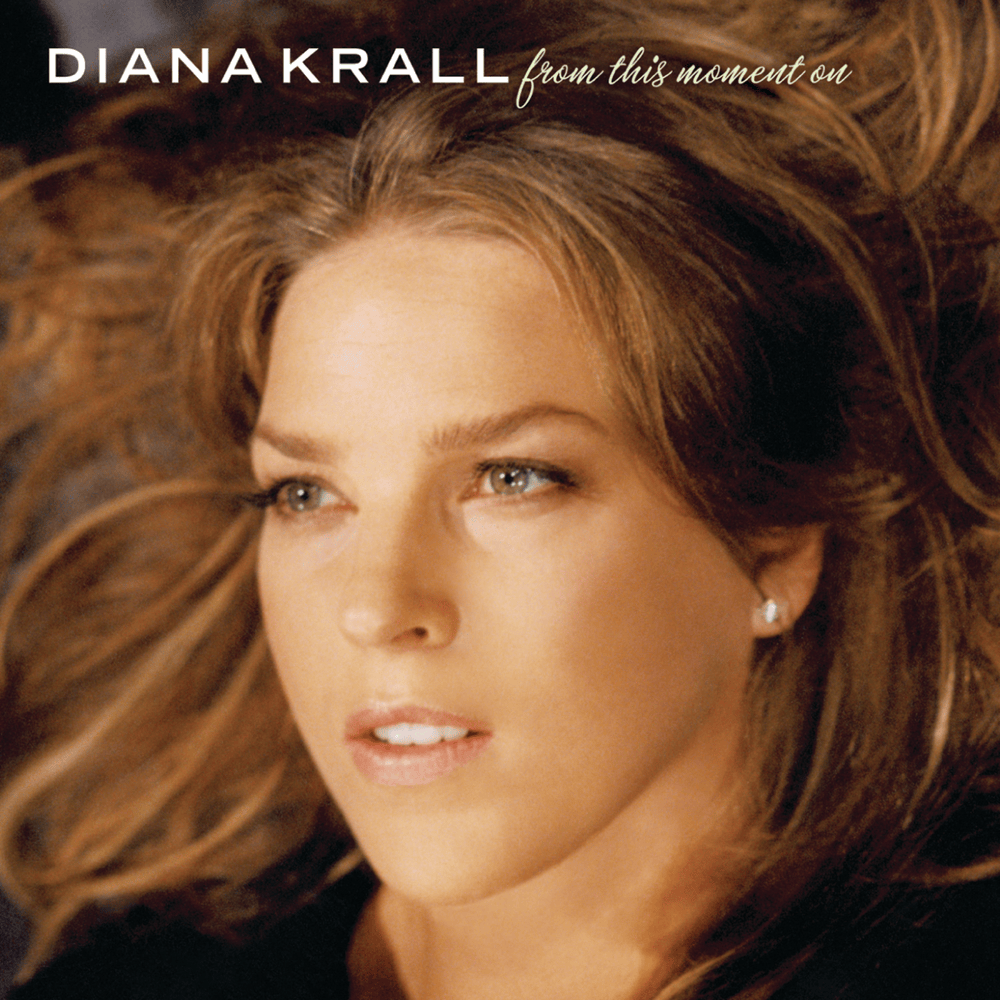
Diana Krall's rendition of "Little Girl Blue" is less a performance and more a psychological portrait painted in shades of melancholy. The song, at its core, is about the crushing weight of loneliness and the slow, agonizing realization that hope might be a dwindling resource. The opening lines, "Sit there and count your fingers, what can you do," immediately establish a sense of helplessness and resignation. The repeated instruction to "count" becomes a motif, highlighting the protagonist's isolation and the limited options available to her. It's a stark image of someone trapped in their own mind, reduced to the most basic of activities as a way to pass the time in their solitude. The phrase "old girl" is also interesting because it could be interpreted in a couple of ways. Is it meant to show someone as wise and capable, or as someone who's past her prime and therefore 'used up?'
The imagery of raindrops is particularly potent. They symbolize the constant, unrelenting nature of sadness. The lyrics suggest that these raindrops are the only constant in "little girl blue's" life, the only thing she can truly count on. This reinforces the idea that she feels abandoned and unsupported, left to weather the storm on her own. The repetition of "little girl blue" throughout the song serves to emphasize her vulnerability and innocence. The color blue itself is, of course, traditionally associated with sadness and melancholy, further amplifying the song's emotional impact. And the plea for a "tender blue boy" is not just a simple request for companionship; it's a desperate yearning for someone who understands her pain, someone who can offer solace and perhaps even rescue her from her despair.
The repeated lines, "No use old girl, you may as well surrender, your hopes are getting slender," drive home the song's central theme of resignation. There is a sense of futility that permeates the lyrics, a feeling that resistance is pointless. The protagonist seems to have reached a point where she has lost faith in the possibility of change or happiness. Krall's delivery, with its characteristic understated emotion, only amplifies the song's poignant message. The absence of histrionics allows the listener to fully connect with the protagonist's quiet desperation. "Little Girl Blue" is a masterclass in conveying complex emotions through simple, evocative language and a haunting melody. It is a song that lingers long after the final note has faded, a testament to the enduring power of vulnerability and the universal human experience of longing for connection.
 View Artist