Song Meaning
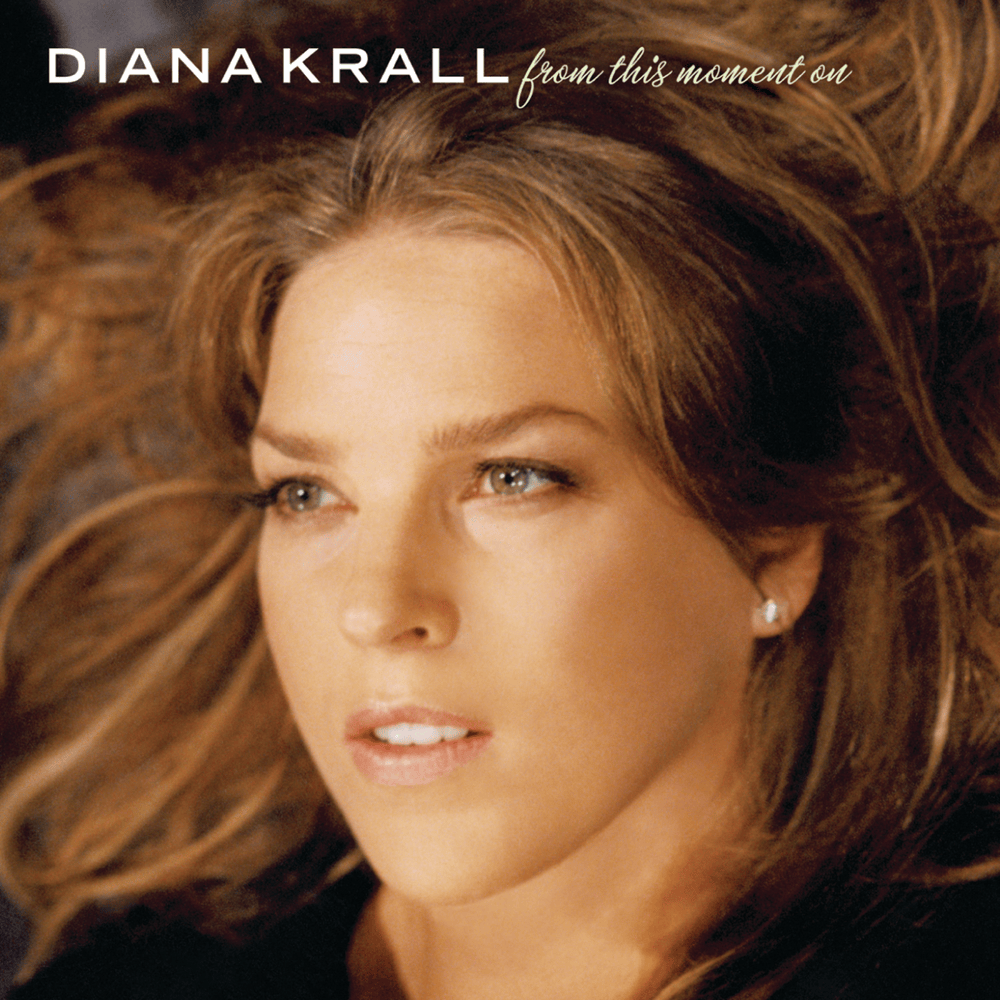
Diana Krall's rendition of "I Was Doing All Right" isn't just a breezy jazz standard; it's a carefully shaded portrait of disruption and unexpected joy. The song meaning hinges on the push and pull between contentment and the chaotic beauty of romantic entanglement. The opening verses paint a picture of idyllic, almost saccharine self-sufficiency. Rainbows in the sky, cherry pie sweetness—a life free from complaint. But this isn't genuine fulfillment; it's merely the absence of longing, a state ripe for upheaval. The repetition of "I was doing alright / 'Til you came by" underscores the disruptive force of this new presence. It's a before-and-after snapshot, highlighting the seismic shift in the narrator's emotional landscape.
The middle section exposes the raw vulnerability beneath the surface. The lyrics shift from passive contentment to active suffering when the object of affection is absent. Sleepless nights and all-day suffering reveal a dependency that contradicts the initial independence. This is where the song's psychological depth surfaces: the narrator questions the very nature of love, wondering if it's "one big blunder." This isn't blind optimism; it's a mature consideration of love's potential for pain and chaos. The song subtly acknowledges that love, while transformative, can also be a destabilizing force.
Ultimately, "I Was Doing All Right" resolves not with a return to the initial state of placid happiness, but with a declaration of something "much better." This isn't just about romantic love; it's about embracing the full spectrum of human experience, the highs and lows, the comforts and the anxieties. Krall's interpretation, imbued with her signature smoky vocals and understated delivery, emphasizes the bittersweet nature of this revelation. It's a sophisticated take on the classic love song, acknowledging that true fulfillment often lies not in the absence of pain, but in the willingness to embrace the messy, complicated beauty of connection. The lyrics analysis reveals a journey from a surface-level peace to a deeper, more authentic joy, found in the shared experience of love, even with its inherent risks.
 View Artist