Song Meaning
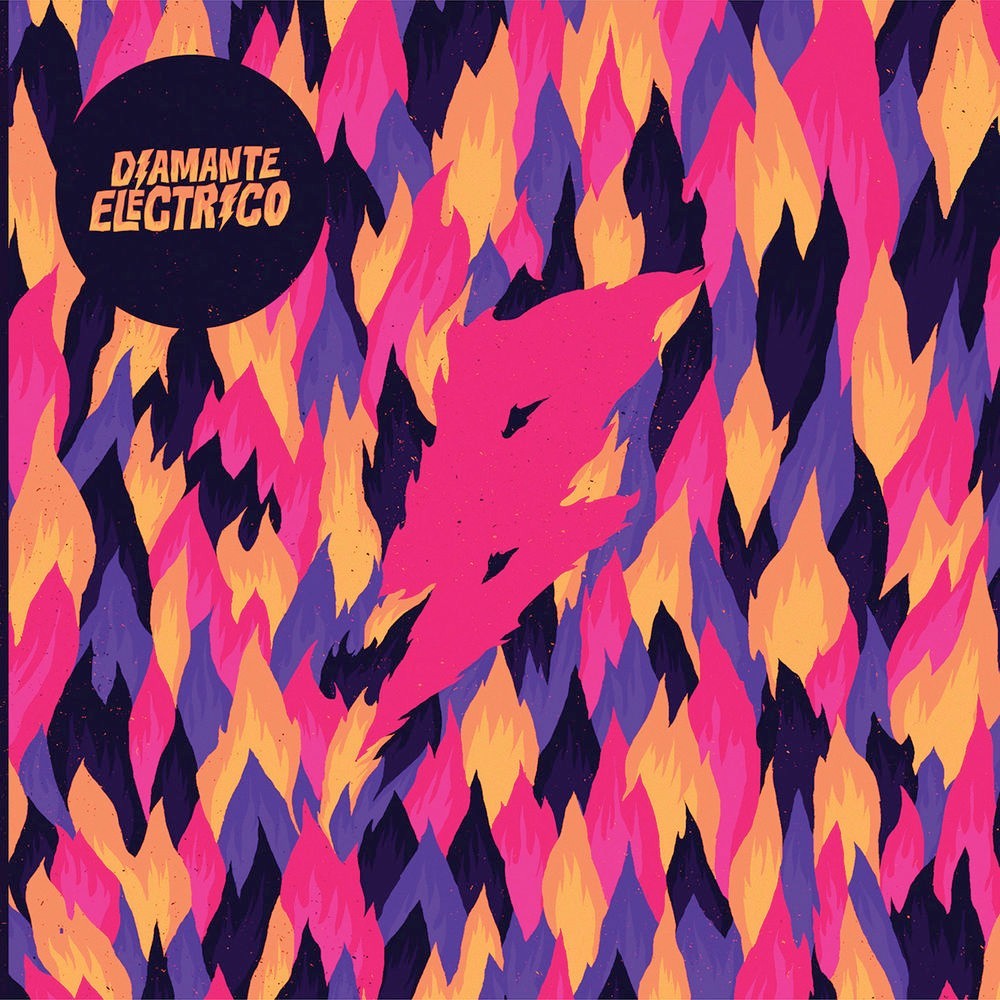
The lyrics paint a picture of intense emotional turmoil and a sense of inescapable pain. The opening lines, "Vuelo en llamas" (I fly in flames), immediately establish a feeling of self-destruction or being consumed by something powerful. This is compounded by "Pedazos de los dos" (Pieces of us both), suggesting a relationship fractured beyond repair. The narrator seems to be wrestling with internal demons, literally keeping "the devil" locked away, yet acknowledging its constant presence. There's a plea for concealment, "Escondeme de Dios" (Hide me from God), indicating a deep sense of guilt or shame.
The central tension lies in the cyclical nature of this suffering. The phrase "Solo repite / El eco del dolor" (It only repeats / The echo of pain) highlights a feeling of being trapped in a loop of anguish. The repeated chorus, "Y todo se quema, mis cenizas al papel" (And everything burns, my ashes to the paper), is a striking image. It suggests that even the act of trying to process or record this pain, by writing it down, results in its destruction and continuation. The "ashes" are the remnants of what was, and the "paper" is the medium of expression, both consumed by the fire of their experience.
The contrast between "Encima del ruido duerme corazón" (Above the noise the heart sleeps) and the surrounding chaos is particularly effective. It hints at a numbness or a desperate attempt to find peace amidst the destruction. The line "Somos extraños la tinta del adiós" (We are strangers the ink of goodbye) is a poignant encapsulation of a relationship that has dissolved, leaving only the residue of farewell. The repetition of the chorus, with the slight variation "las cenizas y el papel" (the ashes and the paper), reinforces the idea that the pain and the attempt to articulate it are inextricably linked and mutually destructive.
This lyrical construction creates a powerful sense of catharsis that is simultaneously being thwarted. The imagery of burning and ashes, combined with the echo of pain, conveys a raw, visceral experience. The effectiveness comes from the stark, almost brutal honesty of the language and the way it links destruction with expression, suggesting that the very act of trying to escape the pain might be what perpetuates it.
 View Artist