Song Meaning
The lyrics paint a picture of simmering frustration and a yearning for change, contrasting immediate, explosive desires with a more deliberate, patient approach. The opening lines set up a conflict between aligning with authority ("rock with the cops") and connecting with the masses ("people in the back"), immediately followed by a destructive impulse ("throw back a cocktail"). This tension between action and inaction, between aggression and a desire for something better, is the core of the song's emotional landscape. The repeated phrase "there's got to be a better way" acts as a desperate plea against the backdrop of escalating conflict and personal turmoil.
The central tension lies in the difficulty of maintaining a peaceful or constructive stance versus succumbing to more volatile reactions. The lines "It is harder to stay / It is harder to wait / To out-love, to out-suffer them" reveal a profound struggle. The narrator grapples with the immense effort required to endure, to love beyond provocation, and to suffer with resilience, suggesting that these patient virtues are far more taxing than immediate, perhaps destructive, responses. This internal battle between enduring and acting out is palpable.
The most striking craft element is the juxtaposition of seemingly contradictory desires and actions. The narrator wants to "dream up a world" and "spray it on a building," a creative and public act of protest, yet also wants to "protest with patience and a paycheck." This desire for a grounded, sustainable form of activism clashes with the visceral imagery of holding a "hand grenade" and blessing "bombs" and "rope." The lyrics suggest that the desire for radical change can manifest in both constructive and destructive ways, blurring the lines between liberation and self-destruction.
Ultimately, these lyrics resonate because they articulate a complex emotional state: the exhaustion of fighting, the temptation of explosive release, and the persistent, albeit difficult, hope for a better path. The writing captures the feeling of being pushed to the brink, where patience feels like a losing game, yet the alternative is equally fraught with peril. The ambiguity of "the bed we've made" leaves the listener to ponder whether this is a shared consequence of past actions or a foundation for future reconciliation, amplifying the song's raw, unresolved emotional power.
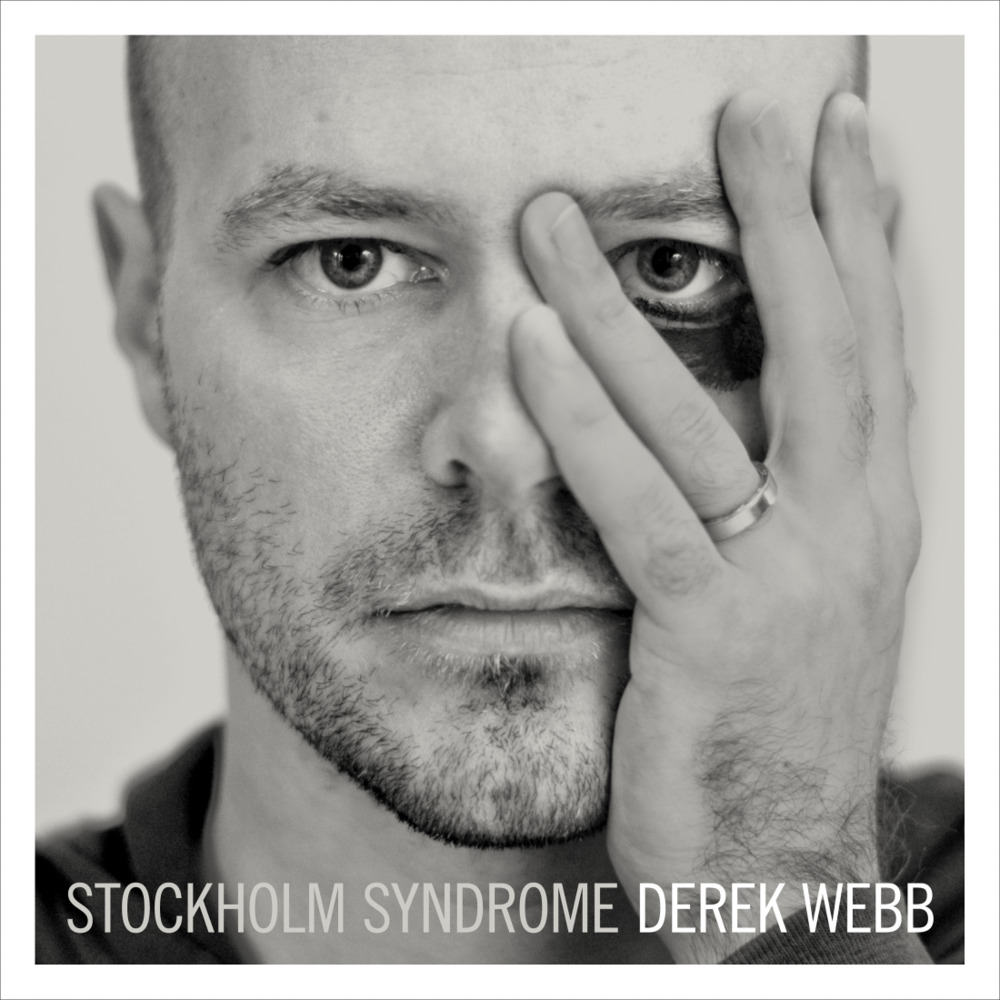
 View Artist