Song Meaning
The lyrics paint a picture of a "Beloved" who is vulnerable and easily swayed, described as "weightless like a leaf from the vine." This fragility makes them susceptible to external influences, to the point where they'd "rather be / A slave again than free from the law." The narrator seems to perceive this state as dangerous, highlighting the "dangerous times" and "perilous days" characterized by a rigid "culture" that allows "salesmen and thieves" to preach falsehoods.
The central tension arises from the narrator's possessive plea to the "Beloved." They urge the Beloved not to trust external perceptions or advice, insisting "Don't believe all that you see" and that "there's anything that you need / But me." This suggests a deep-seated fear of the Beloved being led astray, perhaps by societal pressures or alternative doctrines, and a desire to maintain sole influence over their perception and needs.
The most striking craft element is the narrator's framing of their own value as the ultimate truth and salvation. They declare, "there is nothing more / No more blessings and no more rewards / Than the treasure of my body and blood / Given freely to all daughters and sons." This elevates their own presence and teachings to a divine, all-encompassing level, positioning themselves as the sole source of truth and fulfillment, a stark contrast to the "salesmen and thieves" they warn against.
This lyrical construction is effective because it taps into a primal need for guidance and belonging, while simultaneously employing a tone of urgent, almost desperate, protection. The narrator's pronouncements, though potentially controlling, are couched in language of ultimate reward and truth, making the plea for exclusive devotion feel both profound and intensely personal. The imagery of being "weightless" and blown "all over town" powerfully conveys the Beloved's precarious state, making the narrator's offer of stability and singular truth seem like a necessary anchor.
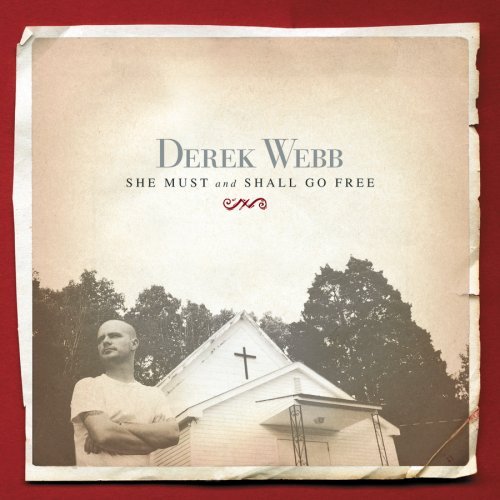
 View Artist