Song Meaning
This track paints a picture of love as a volatile, contradictory force. It opens with a chilling paradox: "Um frio queimando / E o calor do chover," immediately establishing a tone of intense, conflicting sensations. This sets the stage for a love that "dá raiva sem querer," suggesting an anger that arises unintentionally, a byproduct of deep affection. The lyrics quickly move to illustrate this inherent tension through a series of contrasting pairs.
The core of the song lies in its exploration of how opposites attract and yet seem to clash. We see the "Formiga e cigarra / Que parecem brigar," a classic fable pairing that, here, "Só desejam ser um belo par." This highlights a fundamental dynamic: conflict as a prelude to unity, or perhaps a necessary component of a passionate bond. The repeated lists of dualities – "Sol e lua / Casa e rua / Luz e sereno" and "Ying-yang / Pingue-pongue / Cura e veneno" – hammer home this theme of inseparable, often jarring, complements.
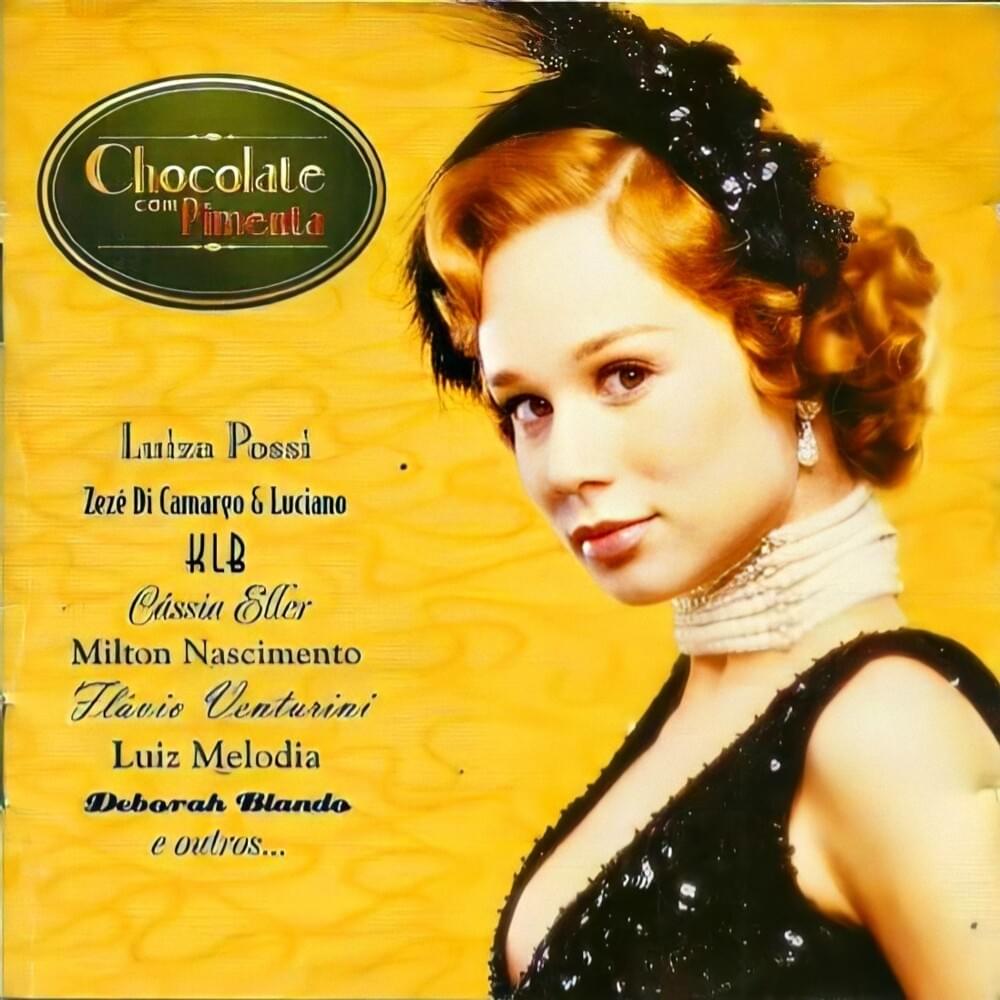
The central metaphor, "Chocolate com pimenta," perfectly encapsulates this blend of sweetness and heat. This combination is described as "Paixão ciumenta / Assim, violenta," and its intensity grows precisely "De tanto que sofre, aumenta." The lyrics suggest that the pain and suffering inherent in such a passionate, jealous love actually fuel its growth, creating a cyclical, almost addictive, dynamic. The repetition of these core images and phrases reinforces the inescapable nature of this emotional state.
Ultimately, the effectiveness of these lyrics comes from their stark, almost elemental portrayal of love's duality. By presenting these contradictions not as flaws but as the very essence of the experience, the song captures a raw, visceral emotional truth. The simple, memorable pairings and the potent "chocolate com pimenta" image make the complex emotional landscape feel immediate and deeply understood.
 View Artist