Song Meaning
These lyrics paint a vivid picture of a love that has utterly consumed the speaker. From "teu sabor, teu aroma" to "tuas digitais," every sensory detail of the beloved has left an indelible mark. This isn't just affection; it's an emotional takeover that "de um jeito que não sai" – in a way that doesn't leave.
The feeling described here isn't gentle; it "me invadiu, se instalou," suggesting a powerful, almost involuntary surrender. Yet, the speaker declares, "Gosto assim como é," embracing this loss of control. It's a fascinating tension between being overwhelmed and willingly submitting to the beloved's power, where this love "faz de mim, o que quer," highlighting a profound, almost spiritual, capitulation.
The most striking image arrives with the comparison to a "cigano" (gypsy), described as "sempre tão fulgás" – always so fleeting. This nomadic, ephemeral quality seems at odds with the love's permanent grip. Yet, the lyrics assert this transient figure managed to hold the speaker completely, creating a powerful paradox. It suggests the beloved's elusive nature is precisely what made their hold so absolute, an unexpected permanence born from what might have seemed temporary.
The raw effectiveness of these lyrics lies in their unflinching portrayal of an all-consuming passion. The repeated phrase "de um jeito que não sai" becomes a mantra, hammering home the inescapable nature of this connection. Paired with the vulnerable plea, "Por favor escuta quem te adora," and the desperate question, "Sem você o que eu seria agora?", the lyrics reveal a profound dependence. This blend of intense devotion, willing surrender, and desperate need creates a visceral emotional experience for the listener.
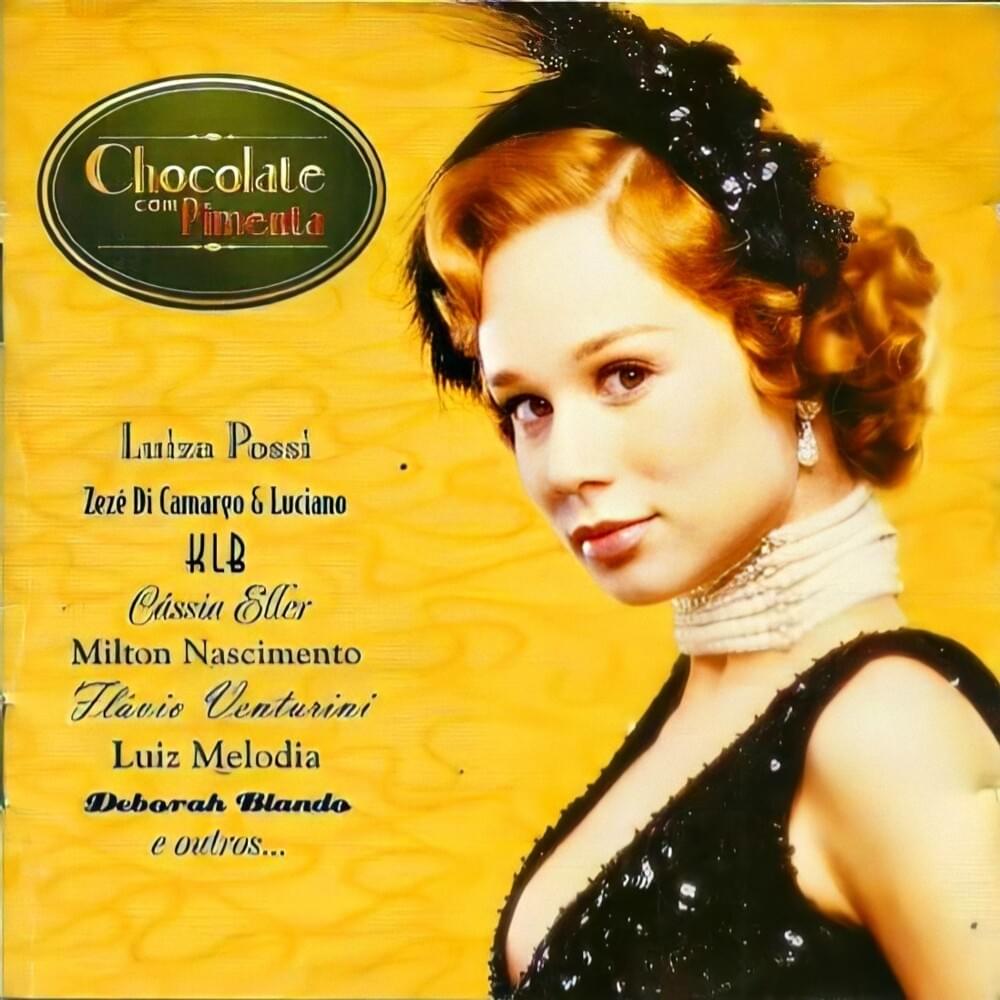
 View Artist