Song Meaning
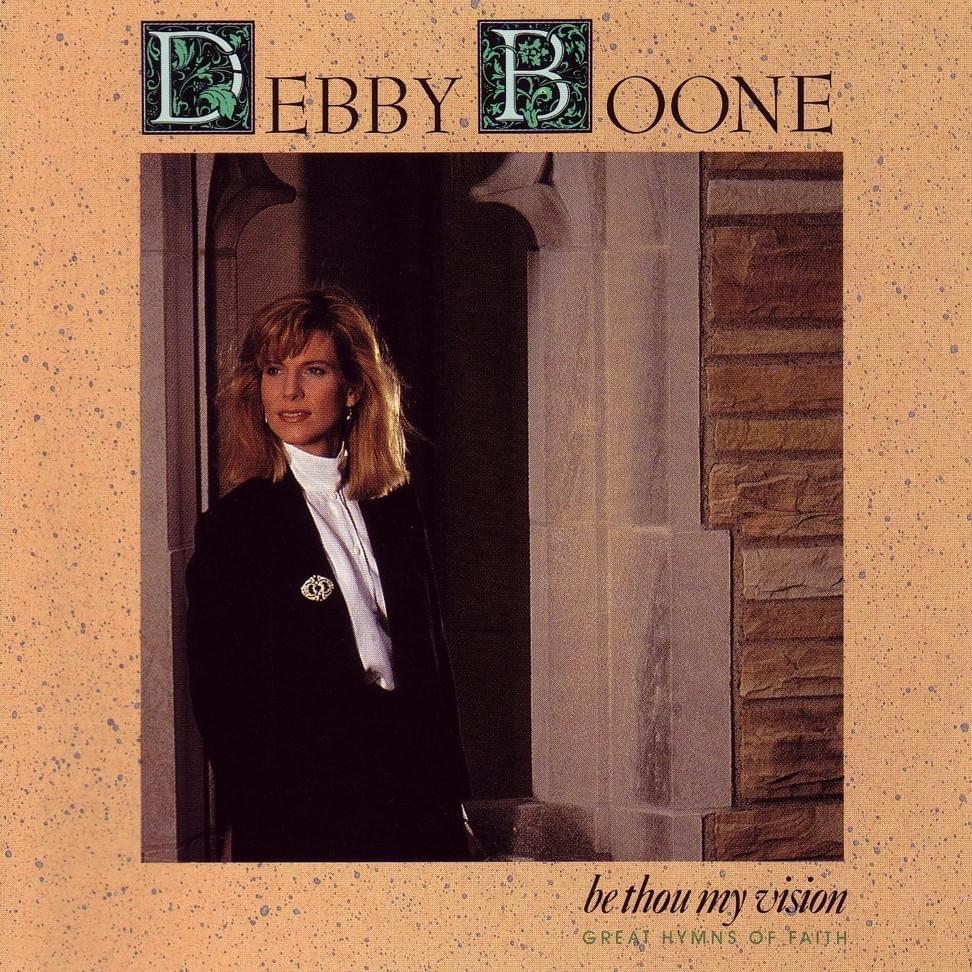
Debby Boone's rendition of "The Lord's Prayer" isn't just a song; it's a sonic embodiment of supplication, a plea for divine intervention wrapped in the velvet of her voice. Stripped of elaborate instrumentation, the focus is laser-locked on the lyrics themselves, a direct conduit to the divine. The song, a recitation more than a performance, taps into the inherent human desire for order and meaning in a chaotic world. It’s a craving for structure, a sonic architecture built on faith. The very act of singing, of communal prayer through melody, becomes a shared ritual, a binding agent for believers. Boone's delivery, devoid of excessive ornamentation, underlines this purity of intent, a direct line to the source. It is less about vocal pyrotechnics and more about transparent devotion.
The brilliance, if one can call it that, lies in the track's almost unnerving simplicity. "Give us this day our daily bread" isn't just about sustenance; it's a plea for consistent grace, a steady drip of mercy in a world that often feels parched. The lines concerning forgiveness, both granted and received, speak to the tangled web of human relationships, the constant need for reconciliation and understanding. "As we forgive those who trespass against us" is a brutal mirror held up to our own imperfections, a challenge to extend the same grace we so desperately seek. It's a reminder that faith isn't a passive acceptance but an active participation in the messy business of being human.
Ultimately, Debby Boone's interpretation of "The Lord's Prayer" isn't about religious dogma; it’s about the profound human need for connection, for solace, and for a framework to navigate the inherent uncertainties of existence. The final affirmation, "For thine is the kingdom, the power, and the glory, forever and ever, Amen," is not just a closing statement but a surrender, a relinquishing of control to something larger than oneself. The song's enduring appeal speaks to the universality of this desire, a longing etched into the very fabric of the human psyche.
 View Artist