Song Meaning
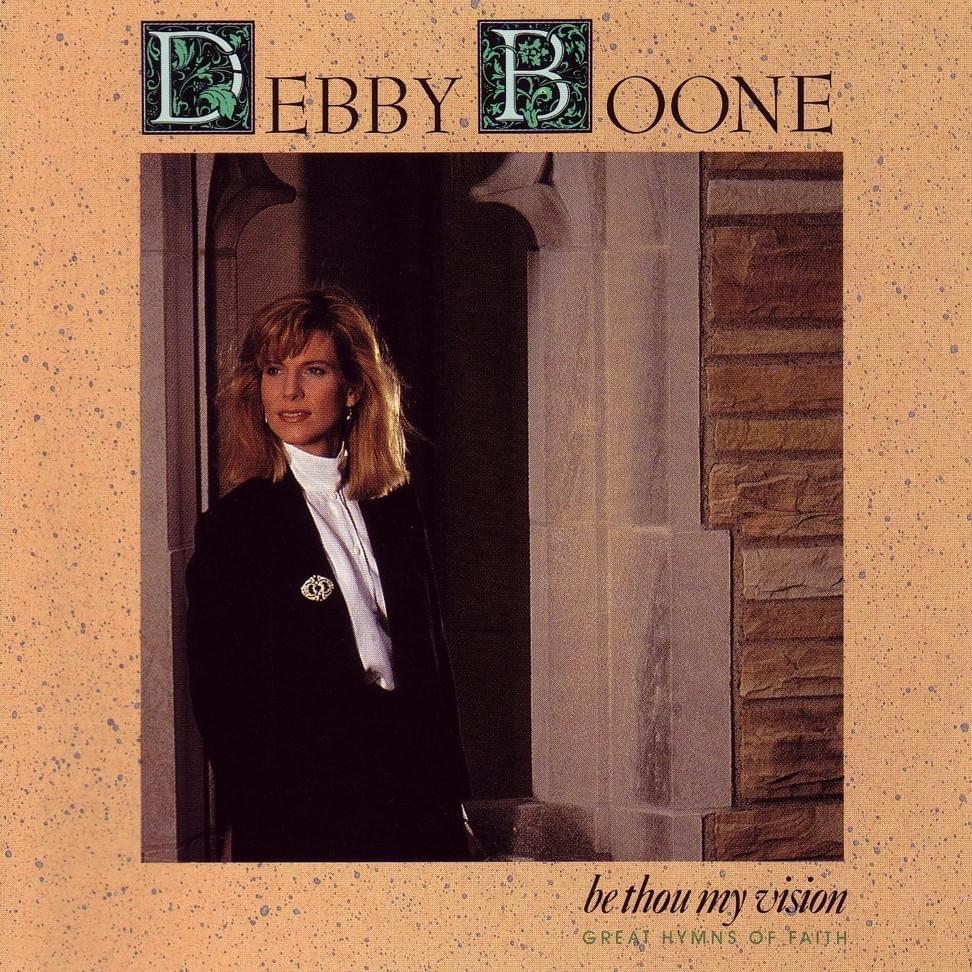
Debby Boone's rendition of "All Creatures of Our God and King" isn't just a song; it's an architectural marvel of spiritual yearning, built from layers of natural imagery and communal invocation. The song meaning resides not merely in its explicit praise, but in the implied psychology of finding the divine embedded within the everyday. It's a call to recognize the sacred in the mundane, urging listeners to discover transcendence through the simple act of observation. Boone’s delivery, known for its clarity and sincerity, further amplifies this message, transforming a hymn into an intimate conversation between the human soul and the cosmos. The lyrical structure, repetitive yet evolving, mimics the patterns of nature itself.
The song subtly acknowledges humanity’s place within a grand, interconnected web. Lines invoking the sun, moon, and wind aren’t mere poetic devices; they represent forces far greater than ourselves, humbling us before the vastness of creation. The consistent refrain, "Oh, praise Him," serves as both a directive and a release, a psychological mechanism for surrendering control and finding solace in a higher power. The "Alleluia" chants act as sonic anchors, drawing the listener deeper into a state of meditative reverence. Boone’s interpretation highlights the inherent human need to connect with something larger, a need that manifests as both awe and gratitude.
Ultimately, “All Creatures of Our God and King,” as performed by Debby Boone, transcends its religious origins to tap into a universal desire for meaning. The lyrics analysis reveals a profound understanding of the human psyche's longing for connection, purpose, and the sublime. The song uses the natural world not just as a backdrop, but as a mirror reflecting our own spiritual potential. It suggests that by acknowledging the divine in the smallest details, from the "burning sun" to the "softer gleam" of the moon, we can unlock a deeper understanding of ourselves and our place in the universe. It’s an invitation to find the sacred in the secular, transforming everyday experience into a continuous act of worship.
 View Artist