Song Meaning
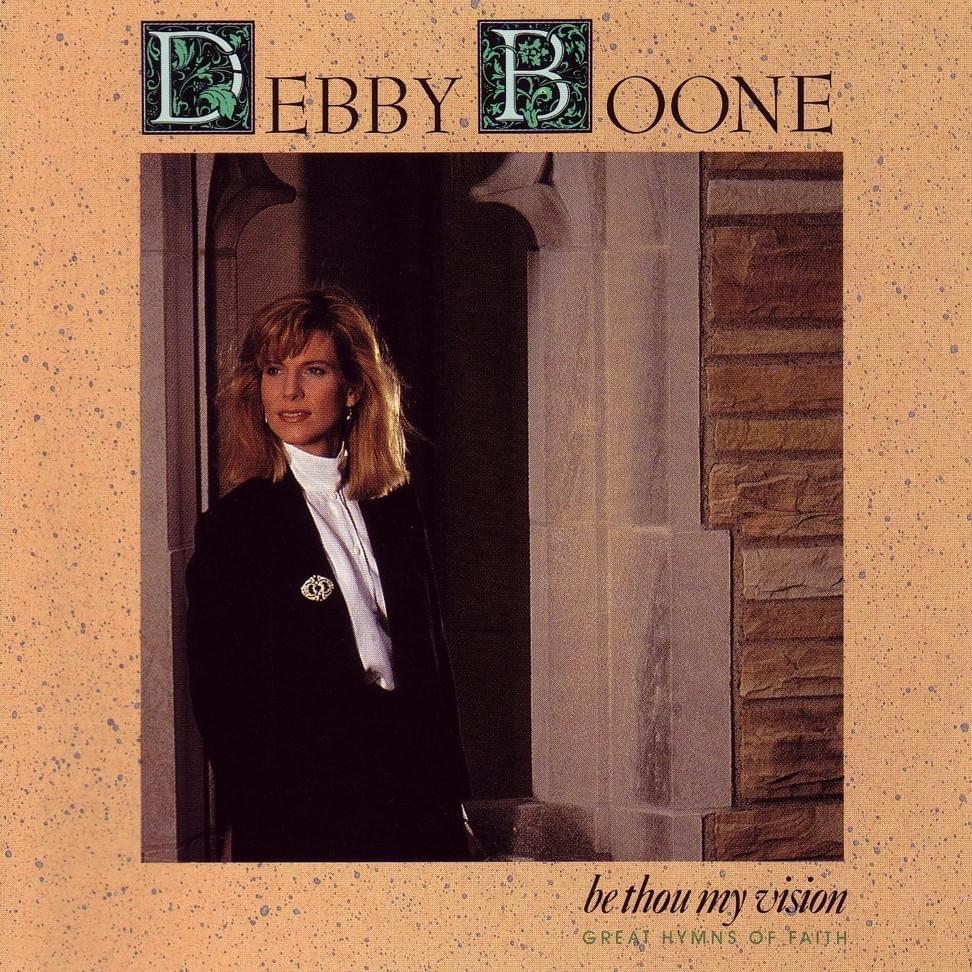
Debby Boone's rendition of "Joyful, Joyful, We Adore Thee" transcends mere religious observance; it's a sophisticated articulation of psychological yearning. The lyrics paint a vivid picture of emotional states—hearts 'unfolding like flowers,' darkness and doubt being driven away—that mirror the human desire for growth and release from inner turmoil. The song cleverly uses religious imagery as a conduit for expressing universal needs: the need for joy, for connection, and for a sense of belonging within something larger than oneself. It's not just about worshipping a deity; it’s about tapping into the wellspring of 'immortal gladness' that resides, perhaps dormant, within us all. The invocation of light and the banishment of darkness are potent metaphors for the struggle against depression and anxiety, a struggle deeply familiar to modern listeners. It is a collective, not a solitary, experience. 'Mortals, join the mighty chorus' underscores the communal aspect of finding joy. The song suggests that joy isn't a private emotion but something amplified through shared experience and mutual support. This resonates deeply in an age of increasing social isolation, offering a nostalgic vision of unity and shared purpose. The lyrics also speak of forgiveness and love, framing them as essential components of a joyful existence.
The recurring motif of nature—'field and forest, vale and mountain'—further grounds the song's meaning in the tangible world. Nature acts as a mirror, reflecting back the divine 'rays' and calling us to participate in the universal song of rejoicing. This connection to the natural world is not merely aesthetic; it's psychological. Studies have shown that spending time in nature reduces stress and promotes feelings of well-being. "Joyful, Joyful" cleverly taps into this innate human response, suggesting that joy is not just a religious concept but an intrinsic part of our relationship with the earth. The lyrics also hint at a journey, a continuous movement 'sunward' led by 'joyful music.' This isn't a static state of bliss but an active pursuit, a conscious choice to embrace joy even 'in the midst of strife.' This acknowledgement of struggle is crucial; it suggests that joy isn't the absence of pain but a way of navigating it.
Ultimately, the song's meaning lies in its ability to offer a psychologically nuanced vision of hope. It's a reminder that joy is not a fleeting emotion but a fundamental aspect of the human experience, accessible through connection, forgiveness, and a mindful appreciation of the world around us. Debby Boone's delivery, known for its sincerity, enhances this message, making the song a powerful anthem for anyone seeking solace and inspiration in a world often defined by its challenges. The enduring appeal of "Joyful, Joyful, We Adore Thee" is likely due to its capacity to tap into these deep psychological needs, offering a sense of comfort and resilience in the face of adversity. It's a hymn, yes, but also a powerful testament to the human spirit's capacity for joy.
 View Artist