Song Meaning
The lyrics present a stark contrast between a comforting vision of the afterlife and a rejection of traditional religious texts. The opening lines offer a serene image of eternal light and a spiritual embrace, even personifying a guiding entity as a "ghost you call a friend." This idealized spiritual plane is immediately juxtaposed with a desire to be "stone[d] to sleep," suggesting a weariness with earthly existence or perhaps a yearning for oblivion. The core tension emerges from this duality: the allure of a peaceful afterlife versus a profound skepticism towards established religious doctrine.
The central conflict revolves around the narrator's outright dismissal of "holy books" and their "ancient rhymes." The repeated, almost defiant assertion that these texts "ain't got no hooks" highlights a perceived lack of resonance or practical appeal in traditional scripture. This rejection is further amplified by the unsettling imagery of "the horror of such horniness" creeping into religious attire, suggesting a perceived hypocrisy or corruption within organized religion. The lyrics seem to imply that spiritual solace cannot be found in dogma, especially when that dogma appears to be intertwined with earthly temptations.
The most striking aspect of the writing is its blunt, almost confrontational language. The phrase "ain't got no hooks" is a colloquial, modern dismissal of something ancient and revered, creating a powerful disconnect. This is further emphasized by the visceral and somewhat shocking image of "virgin sluts" and "temptation never rusts," which directly links religious concepts to carnal desire and decay. The repeated call to be "stone me to sleep" and to get "down on your knees" feels less like a plea for divine intervention and more like a surrender to an overwhelming, perhaps even carnal, force, creating a disorienting spiritual landscape.
Ultimately, the effectiveness of these lyrics lies in their raw, unfiltered skepticism and the jarring juxtaposition of spiritual longing with carnal reality. The narrator’s rejection of conventional religious narratives, coupled with the unsettling imagery of corrupted spirituality, creates a potent emotional response. It’s the sound of someone wrestling with faith, finding traditional answers hollow, and perhaps seeking a more visceral, albeit darker, form of release or understanding outside the confines of established doctrine.
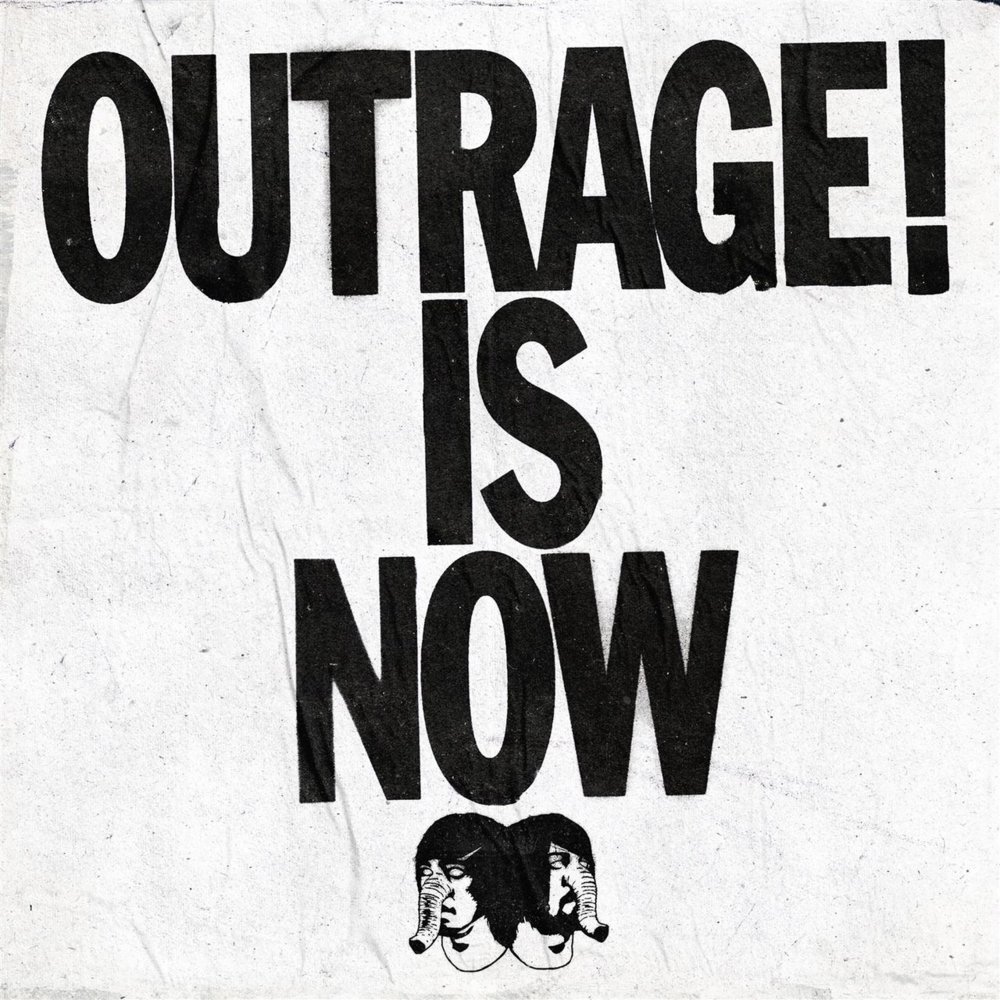
 View Artist