Song Meaning
The lyrics paint a picture of a city in decline, a place that once held a certain charm and purpose now fading away. The narrator recalls a time when the city was a haven for specific, almost quaint professions and activities – architects and dilettantes, midwives and crossing guards. This idealized past is contrasted with a present where even simple pleasures, like a swimming pool, are reduced to memories of water-wings and cannonballs, alongside more unsettling images like astrologists and blow-up dolls. The repetition of "on and on" suggests a continuous, perhaps weary, progression of this decay.
The central tension arises from the recurring chorus, a stark announcement: "Your mother and father are leaving, leaving." This isn't just about a personal departure; the inclusion of "your best friend's parents" broadens the scope, implying a widespread exodus. The repeated "Hold on, hold on, children" acts as a desperate plea against this inevitable abandonment, a fragile attempt to maintain stability in the face of dissolution. The children are left to grapple with the absence of parental figures and the vanishing familiar landscape.
The lyrical craft hinges on a series of evocative, slightly surreal juxtapositions. The pairing of "midwives and crossing guards" with "architects and dilettantes" establishes a sense of community and order, while "astrologists and blow-up dolls" injects a note of the bizarre and perhaps superficial into the fading picture of the pool. This creates a disorienting effect, mirroring the narrator's own confusion and nostalgia for a past that seems increasingly alien. The simple, direct language of the chorus, however, cuts through the imagery with blunt emotional force.
Ultimately, the effectiveness of these lyrics lies in their ability to evoke a profound sense of loss and displacement through specific, yet slightly off-kilter, details. The contrast between the remembered vibrancy of the city and the stark reality of its inhabitants departing creates a poignant emotional landscape. The repeated refrain acts as a grounding, albeit sorrowful, anchor, emphasizing the vulnerability of those left behind as familiar structures and figures disappear.
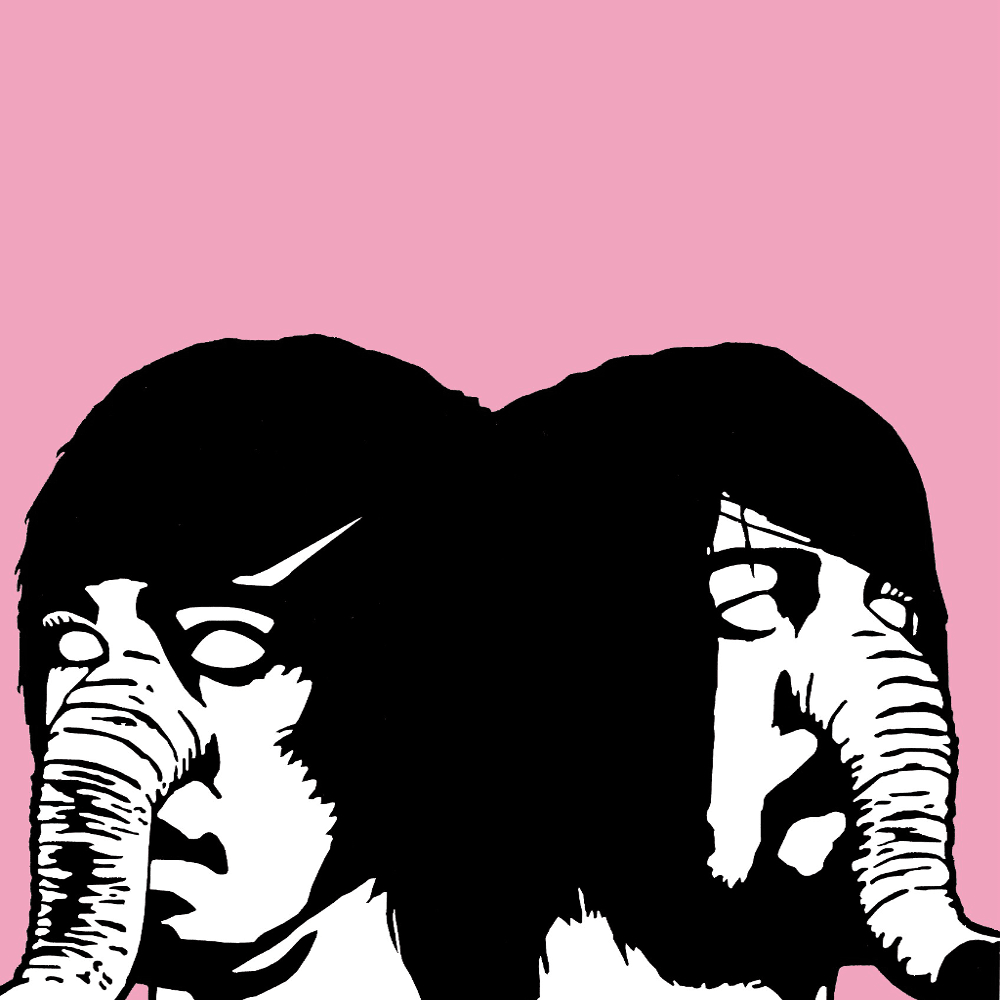
 View Artist