Song Meaning
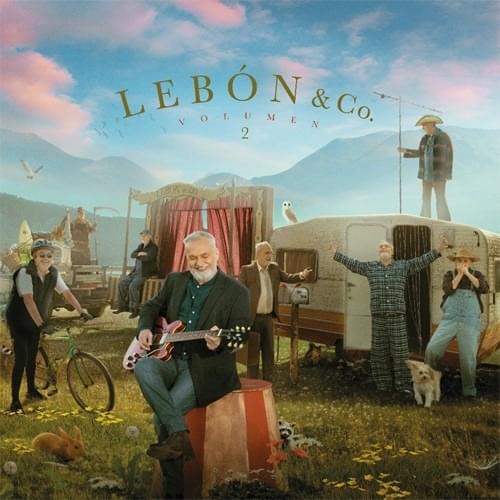
David Lebón's "El Tigre y el Dragón (Lebón & Co. 2)" unveils a profound exploration of love's transformative power, cloaked in the symbolic imagery of a tiger and a dragon. The song meaning rests not on a literal interpretation of mythical beasts, but on the archetypal roles they embody within the context of human connection. It's a story about finding completion and understanding through an unlikely bond. The lyrics speak of a love that has "always existed in this world," suggesting a yearning for wholeness that is fundamental to the human experience. This quest for completeness is embodied in the line "Él buscaba simplemente aquella parte que faltaba en él" (He was simply looking for that part that was missing in him). The tiger, initially "desconfiado" (mistrustful), finds solace and perhaps even a reflection of its own vulnerabilities in this love. The dragon, in turn, is freed from its own doubts and "confusion" by the tiger's influence.
The song's emotional core lies in the mutual healing and liberation that the tiger and dragon experience. They "se juntaron, se mimaron, se soltaron del dolor" (came together, cuddled, released themselves from the pain), suggesting a process of vulnerability and acceptance that allows them to transcend past traumas. The dragon, who doubted its own existence due to some external narrative ("Por un libro que algún genio escribió" - because of a book that some genius wrote), finds validation and strength through the tiger's unwavering presence. The tiger, devoid of the dragon's inherent fire, teaches the dragon "a ser fuerte, a ser libre, a escuchar su corazón" (to be strong, to be free, to listen to its heart). This emphasizes the idea that true strength comes not from outward power, but from inner resilience and emotional awareness.
Ultimately, "El Tigre y el Dragón" challenges conventional notions of love and connection. It defies rigid rules and expectations, advocating for a love that is fluid, accepting, and transformative. The concluding lines, "No hagan reglas del amor / Yo, yo te quiero" (Don't make rules about love / I, I love you), serve as a powerful reminder that love should be guided by genuine emotion rather than societal constraints. The song champions a love that transcends differences, heals wounds, and empowers individuals to embrace their true selves. David Lebón uses the vivid imagery of the tiger and the dragon to illustrate a timeless and universal truth: that love, in its purest form, can be a catalyst for profound personal growth and liberation.