Song Meaning
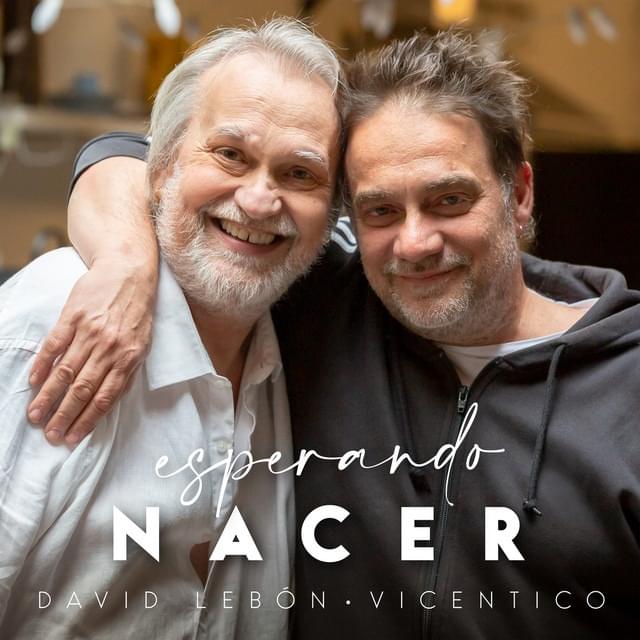
David Lebón's "Esperando Nacer" isn't merely a song; it's a raw, exposed nerve of existential yearning, a sonic portrait of a soul caught in perpetual anticipation. The opening lines, "Tengo el corazón abierto / Todo el mundo puede ver un camino para correr," immediately establish a vulnerability, an almost painful openness that invites both connection and exploitation. This vulnerability, however, isn't presented as weakness, but as a necessary condition for growth, as the subsequent lines suggest: "Tengo el alma en un desierto / Todo el mundo puede ser un camino para crecer." Lebón positions the self as both barren landscape and potential catalyst for others' development, a complex duality that permeates the entire song. The recurring phrase "Esperando nacer" ("Waiting to be born") becomes a mantra, a lament, and a challenge.
The song's emotional core lies in the tension between hope and disillusionment. There's a sense of being stuck, of witnessing a world mired in clichés and missed opportunities ("Con tu cara de jarrón y tu mundo hecho de clisés"). Lebón seems to be addressing someone specific – perhaps a past lover, or even a part of himself – urging them to awaken from their complacency. The poignant imagery of "jazmines viejos" and the "angustia sensación / De que el tiempo se echó a perder" evokes a powerful sense of wasted potential and the heavy weight of regret. The lyrics paint a picture of a static existence, a life unlived, and a desperate plea to break free from this cycle.
Ultimately, "Esperando Nacer" is a testament to the enduring power of hope in the face of profound existential loneliness. Lebón, as the "solitario transmitiendo un mensaje," embodies the archetypal artist, using his craft to not only express his own inner turmoil but also to ignite a spark of recognition in others. The song's meaning resonates in its raw honesty and its willingness to confront the uncomfortable truth that many of us are, in some way, still waiting to be born, waiting to fully embrace our potential, and waiting for a love that can truly envelop us. The repetition of "Esperando nacer" at the song’s close isn’t just resignation; it’s a defiant affirmation of the possibility of transformation, a stubborn refusal to give up on the promise of a more authentic existence.
 View Artist