Song Meaning
David Allan Coe's "Time After Time" isn't just another country ballad about heartbreak; it's a masterclass in toxic optimism. The song's repetitive structure, mirroring the cyclical nature of a dysfunctional relationship, immediately clues us in. Coe isn't lamenting lost love as much as he's projecting a disturbingly confident vision of inevitable reconciliation. The repeated phrase "Time after time" becomes less a plea for forgiveness and more a smug prediction. He acknowledges past transgressions ("I've said I'm sorry"), but only as a prelude to his unwavering belief that she'll always return. This isn't vulnerability; it's control masked as devotion.
The lyrics drip with a self-assuredness that borders on delusion. While she declares "we were through," Coe dismisses it with a casual "kiss and make up / Just like the movies." He reduces their complex dynamic to a predictable Hollywood trope, effectively erasing her agency and minimizing the significance of their conflicts. His promise, "I'll take you back," isn't an act of generosity, but an assertion of power. He frames himself as the constant, the reliable anchor in her life, conveniently overlooking his role in creating the very problems he's so eager to "fix."
The second verse doubles down on this unsettling dynamic. Coe's pronouncements – "Sooner or later / You're gonna need me" and "Slowly but surely / You're gonna find" – are devoid of empathy. He anticipates her dependence with an almost predatory glee. The lines "Practice makes perfect / When we're together / Our love gets better" twist the knife further. He suggests their repeated breakups are merely opportunities for improvement, a chance to refine their toxic dance. This isn't a love song; it's a codependent's anthem, a chilling portrait of a relationship built on manipulation and the illusion of control. The song's meaning, therefore, resides in its unflinching depiction of a love that thrives not on mutual respect, but on the predictable cycle of dysfunction.
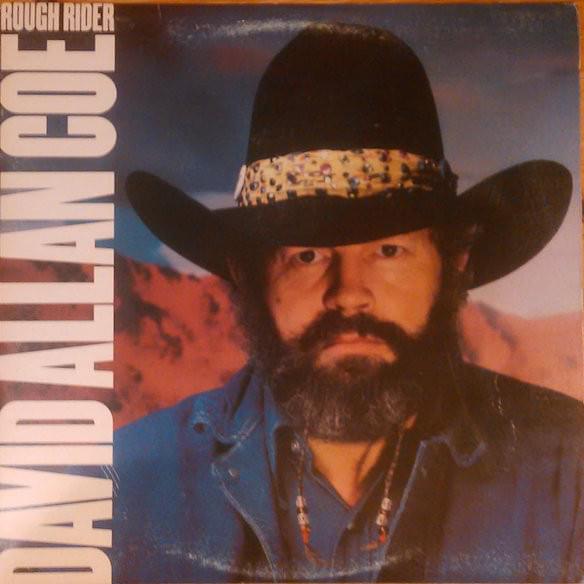
 View Artist